
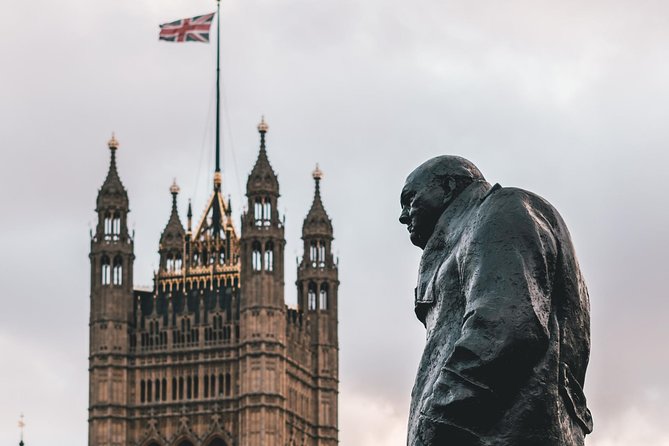
Reviewed · CHURCHILL & WWII TOURS
Private Tour, World War 2 London, including entry to Churchill War Rooms
The most powerful part of this tour happens underground, in the preserved bunker where Britain’s war leaders directed the Second World War. You’ll see working rooms left much as they were, then connect that hidden command center with the memorials and monuments of central London.
I like the private format, which lets your guide adjust the pace and answer questions without a large group around you. I also like that Churchill War Rooms admission is included, since the museum can be hard to take in fully without help. The main caution is price: at $349.35 per person, this is a serious outlay for three and a half hours, and the value depends heavily on the guide you receive.
Key points to know
- The Churchill War Rooms take about two hours: This is the heart of the experience, with preserved offices, wartime communications areas, and a large Churchill museum.
- The route links indoor history with outdoor memorials: You’ll walk through Parliament Square, Whitehall, Embankment, and toward the Battle of Britain Monument.
- A private guide means a personal pace: This suits families, couples, and people who dislike fixed group tours.
- Guides can add personality to Churchill’s story: Galina, Marina, and Denisa have each been praised for clear explanations, warmth, and personal help.
- The tour ends at Trafalgar Square: You finish near one of central London’s key transport and sightseeing areas.
- Expect a moderate amount of walking: The tour runs in all weather, so comfortable shoes and suitable clothing matter.
The underground rooms that directed Britain’s war
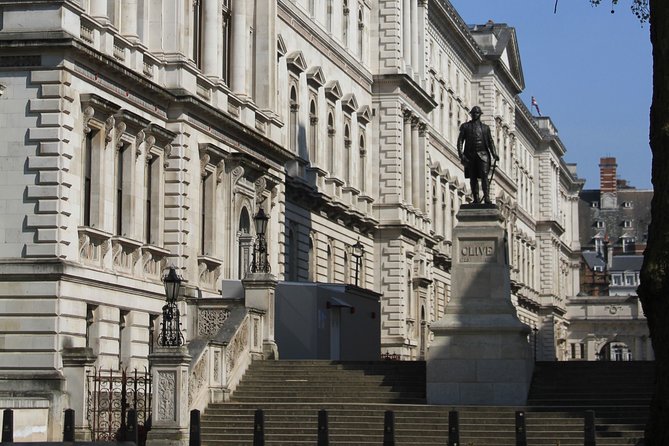
Your tour begins at Clive Steps in Westminster at 2:00 pm. From there, your guide takes you below street level into the Churchill War Rooms, once the headquarters of the British war department.
This is not just a museum about the war. It is the actual bunker where the Allied war effort was managed from London. The setting gives the history weight. You are not simply looking at photographs of wartime decisions. You are standing in the rooms where officials worked, planned, waited, and tried to keep up with a fast-moving conflict.
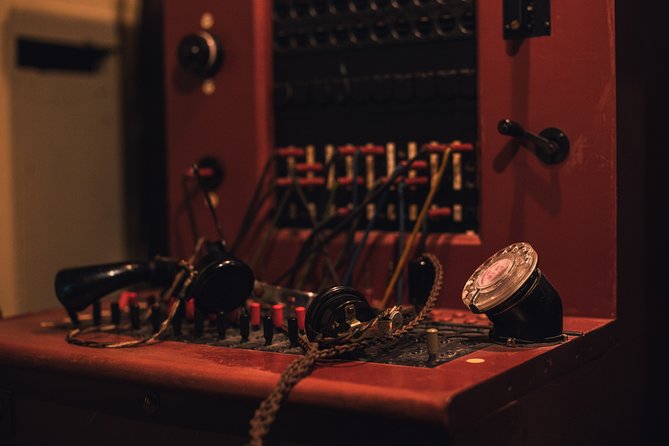
The preserved rooms are the main attraction. Many have been left unchanged, giving you a direct sense of the working conditions underground. Your guide can explain how people stationed there viewed their role and why many felt proud of the part they played. That human detail matters. Military history can become a list of dates and campaigns, but the bunker brings it back to office workers, commanders, typists, planners, and messengers carrying out essential tasks.
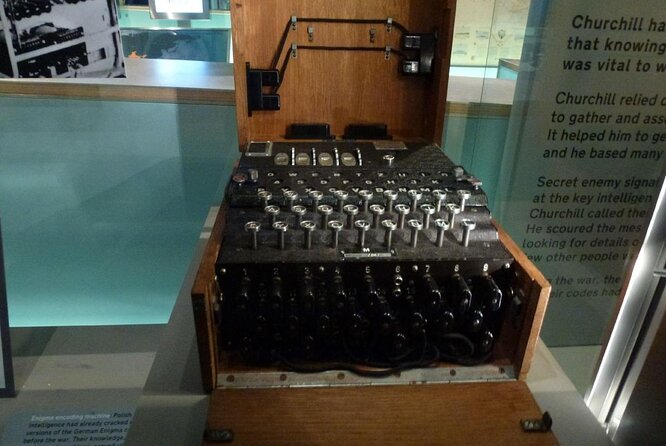
The tour also covers advances in cryptography and the effect they had on the war. This is one of the more useful reasons to have a guide inside the museum. The displays contain a great deal of information, and it is easy to focus on Churchill while missing the wider machinery of wartime decision-making. A good explanation helps you connect secret communications with the daily work of the people below Westminster.
Allow about two hours here. That is a substantial portion of a three-and-a-half-hour tour, and rightly so. You should not expect a quick visit followed by a long bus ride. The War Rooms are the central experience, while the outdoor walk adds setting and context.
Other wartime London sites from London:
- Westminster 3 Hour Walking Tour and Visit of Churchill War Rooms
★ 5.0 · 967 reviews - WW2 London Walking Tour & Churchill War Rooms Entrance Ticket
★ 4.5 · 933 reviews - London in WW2 Walking Tour with Churchill War Rooms Visit
★ 5.0 · 721 reviews
Churchill the leader, writer, artist, and family man
Part of the complex is devoted to Winston Churchill. The exhibits present him as prime minister and wartime leader, but also as a family man, writer, and artist. That broader view is useful because Churchill’s public image can become very fixed. The museum gives you a chance to see more than the familiar speeches and photographs.
One small item makes an especially good talking point: a wanted notice offering a £25 reward for the capture of a young Churchill after his escape from prison during the Boer War. It is a surprising reminder that his life before the Second World War already contained adventure, risk, and public attention.
The quality of your guide matters most in this section. Galina has been praised for making Churchill easy to follow and for giving clear explanations without overloading the visit with facts. Marina has been singled out for bringing the museum to life for a family. Denisa has received warm praise for combining historical detail with practical care, including helping people make the right connection back to their hotel after the tour.
Those names are useful to know, but you cannot choose a particular guide from the information provided. The private setup gives you the best chance to ask about the parts that interest you, yet the storytelling style may vary. One guide may be lively and theatrical. Another may be calm, precise, and less entertaining. At this price, that difference can affect how satisfied you feel.
Parliament Square connects the bunker to modern London
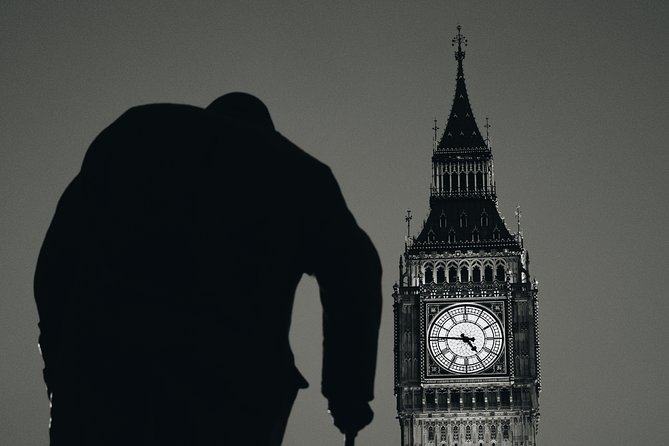
After the War Rooms, you spend about 20 minutes around Parliament Square. The change of setting is important. Underground, you have been examining the command structure of the war. Above ground, you see how Britain remembers its leaders and military service in the center of government.
The square contains several memorials and monuments, some obvious and others tucked around nearby ministerial buildings. Your guide helps point them out and explain their place in the area. This is a good use of a private guide because many memorials are easy to pass without noticing.
Parliament Square is also a busy urban space, so do not expect a quiet garden visit. The value here comes from orientation and interpretation rather than a long stop at one single monument. You gain a clearer sense of how Westminster’s political buildings, memorials, and wartime story fit together.
If you are especially interested in architecture, politics, or public memorials, you may wish this section lasted longer. The schedule gives you enough time for highlights, not a detailed study of every monument.
Whitehall and the Cenotaph
The walk continues into Whitehall, with about 30 minutes devoted to the street and its military memorials. Whitehall is closely tied to Britain’s government and armed forces, so it is a fitting place to discuss how the country commemorates both World Wars.
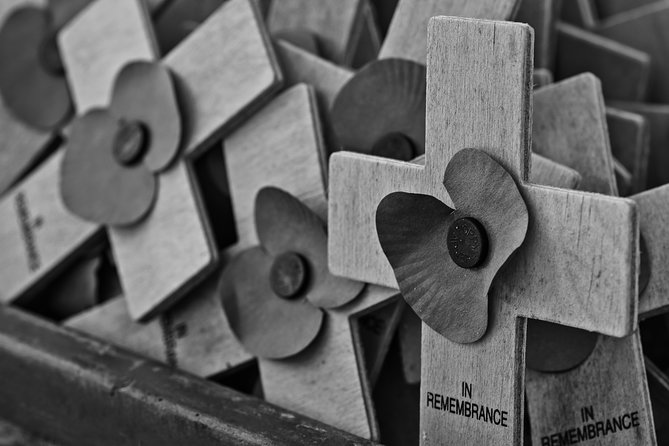
The Cenotaph is the key stop. The name means empty tomb, and the monument serves as a national focus for remembrance. You will see poppy wreaths and banners placed there, along with the visual signs of ongoing public memory.
This part of the route works best when your guide explains the difference between seeing a monument and understanding its purpose. The Cenotaph is not simply another stone structure on a grand avenue. It represents remembrance for those who died, including people whose graves are far from home or who have no known grave.
The outdoor portions also bring a practical issue: the tour operates in all weather. London rain can make a short walk feel much longer, especially after spending time underground. Bring suitable clothing and wear comfortable shoes. The tour calls for moderate physical fitness, and the route includes walking between several central London locations.
A few more things to do in London worth a look
- The Premier Classic London: Private 4-Hour Tour in a Black Cab
★ 5.0 · 2,737 reviews - Stonehenge Inner Circle Private Tour from London with Bath Visit
★ 5.0 · 1,909 reviews - Private Tour: Black Taxi Tour of London
★ 5.0 · 1,153 reviews - Private London Arrival Transfer – Airport to Hotel / Accommodation
★ 3.5 · 1,085 reviews
Embankment memorials and the Chindits

You then walk along Embankment for about 20 minutes, stopping at memorials connected with specific military groups. This section broadens the story beyond Churchill and the most famous battles.
One highlighted group is the Chindits, men who operated deep behind Japanese lines in Burma. Their memorial plaque may be small compared with the larger monuments nearby, but its subject is important. Your guide explains who the Chindits were, what made their operations unusual, and how their methods influenced later military thinking.
This is exactly the sort of detail that can disappear during a standard sightseeing walk. You might notice a plaque without knowing why it matters. A private guide can turn that small marker into a doorway to a less familiar part of the war.
The stop also adds balance. London’s wartime story was not only about cabinet meetings, air raids, and famous speeches. It involved campaigns across Asia and many military groups whose work is less familiar to the public. If you already know a great deal about Churchill, the Chindits may be one of the most worthwhile parts of the outdoor route.
Finding the Battle of Britain Monument
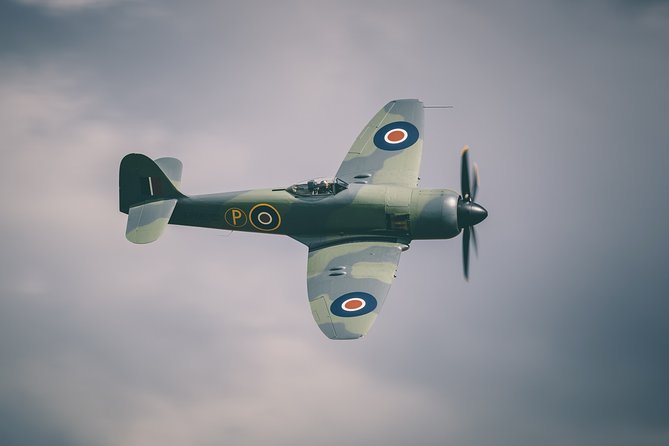
The final stop is the Battle of Britain Monument, reached after about 20 minutes. The focus shifts to the air campaign that helped shape the next stage of the war. Your guide explains the battle’s effect on the course of the conflict and helps you find the monument itself.
The wording of the stop suggests that locating it is part of the experience. It is not presented as the most obvious landmark on a standard sightseeing route, which makes a guide useful. You do not need to spend your afternoon searching for it or walk past without understanding what you are seeing.
The tour ends at Trafalgar Square. That is a practical finish, particularly if you want to continue sightseeing, find a restaurant, or connect with public transport. One guide even helped a family locate a restaurant after the tour, and another helped a group work out the right connection back to its hotel. That kind of help is not a formal part of the advertised schedule, but it shows the benefit of having a local guide at the end of a walk through central London.
What $349.35 per person buys you
At $349.35 per person, this is not a budget history walk. You are paying for a private experience, a professional Blue Badge guide, and admission to the Churchill War Rooms. The outdoor stops do not carry separate admission charges, so most of the financial value rests on the museum entry and the guide’s time.
The private format can make the price easier to justify for a family or small group. You avoid being tied to a large party, and you can ask questions about Churchill, cryptography, military campaigns, or memorials as they arise. Group discounts are listed, but the exact savings are not provided, so check the final booking price carefully.
The price is harder to defend if you mainly want entry to the War Rooms and prefer to read exhibits alone. You would be paying a premium for personal interpretation and convenience. A guide who tells the story with energy can make the museum far more accessible. A less engaging guide may still provide accurate information but leave you feeling that the private fee was too high.
That is the central value question. You are not buying luxury transport, food, or drinks. You are buying focused attention, museum admission, and a connected route through wartime Westminster. If personal explanation matters to you, the cost may be worthwhile. If it does not, this tour may feel expensive.
Who will enjoy this private format most
I would choose this tour for a couple, family, or small group with a strong interest in Churchill and the Second World War. It is also a good match if you have only a short stay in London and want to combine the War Rooms with several nearby military memorials in one afternoon.
The private format is especially useful for people who dislike group tours. One couple chose a one-on-one experience because one person preferred to wander independently and did not enjoy fixed group sightseeing. The personal approach made the visit easier and more enjoyable for them.
Families may also benefit from the adjustable pace. Children must be accompanied by an adult, and the subject matter is serious, but a private guide can spend more time on the parts that hold a child’s attention and move on from displays that do not.
I would hesitate to book it if you want a theatrical guide guaranteed to perform. The feedback about the guides is mostly very warm, with special praise for Galina, Marina, and Denisa, but the experience can still depend on individual style. One person found the guide pleasant, flexible, and well informed, yet not as engaging a storyteller as a free guide encountered elsewhere in London.
That is a fair warning, not a reason to dismiss the tour. Private guiding is personal. The same calm style that suits one family may feel too quiet to another.
Practical details before you book
The meeting point is Clive Steps, London SW1A 2AH, near central Westminster. The start time is 2:00 pm, and the finish is Trafalgar Square, London WC2N 5DS.
The total duration is about three hours and 30 minutes. The War Rooms take around two hours, followed by approximately 20 minutes at Parliament Square, 30 minutes in Whitehall, 20 minutes along Embankment, and 20 minutes at the Battle of Britain Monument.
Food and drinks are not included. Plan to eat before the tour or after it, with Trafalgar Square offering a practical end point for continuing your evening.
Confirmation is provided when you book. You can cancel up to 24 hours before the start time for a full refund. Cancellations or changes made less than 24 hours before the start are not accepted for a refund, and the cut-off follows London local time.
Dress for the weather. The tour runs in all conditions, and the outdoor sections require walking. Comfortable shoes and a rain layer are sensible choices.
Should you book this London war history tour?
Book it if you want the Churchill War Rooms explained by a private guide rather than visited on your own. The preserved bunker, Churchill collection, Whitehall memorials, Cenotaph, Chindit plaque, and Battle of Britain Monument create a well-connected afternoon of wartime history.
The best reason to book is the combination of personal guiding and included museum entry. The main reason to hesitate is the $349.35 per-person price. I would choose it for a short London visit, a family with mixed interests, or anyone who values questions and conversation. I would skip it if you are comfortable reading museum displays independently or if your budget is tight.
FAQ
How long does the private World War II London tour last?
The tour lasts approximately three hours and 30 minutes.
What time does the tour begin?
It begins at 2:00 pm.
Where does the tour start?
The meeting point is Clive Steps, London SW1A 2AH, in central Westminster.
Where does the tour finish?
The tour ends at Trafalgar Square, London WC2N 5DS.
Is admission to the Churchill War Rooms included?
Yes. Admission to the Churchill War Rooms is included in the tour cost.
Is this a private tour?
Yes. Only your own group participates in the activity.
What outdoor sights are included?
The route includes Parliament Square, Whitehall and the Cenotaph, memorials along Embankment, and the Battle of Britain Monument.
Is food or drink included?
No. Food and drinks are not included.
Can I cancel for a full refund?
Yes, if you cancel at least 24 hours before the experience begins. Cancellations or changes made less than 24 hours before the start time are not accepted for a refund.
Just added in London
- The Beatles and a Secret pub★ 4.5 · 36 reviews
- The Beatles & Liverpool Magical Mystery Tour from London★ 4.5 · 80 reviews
- Airport Coach Service from Heathrow to Oxford★ 3.5 · 67 reviews
- The Beatles Magical History Black Taxi Tour London★ 5.0 · 51 reviews
- The Beatles London walking tour. From Abbey Road to the Roof Top★ 5.0 · 61 reviews
- Private The Beatles Taxi Tour in London★ 5.0 · 12 reviews
- The Beatles London Walk★ 4.5 · 120 reviews
- Dinner and Jazz Cruise on the River Thames★ 4.0 · 140 reviews
Churchill & WWII Tours, compared.
Westminster 3 Hour Walking Tour and Visit of Churchill War Rooms
Read our review →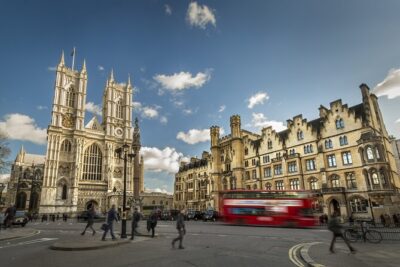
WW2 London Walking Tour & Churchill War Rooms Entrance Ticket
Read our review →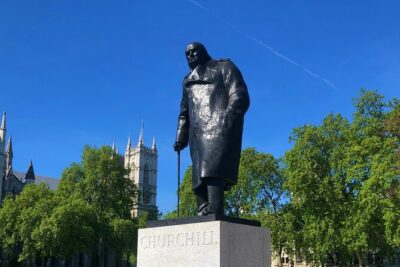
London in WW2 Walking Tour with Churchill War Rooms Visit
Read our review →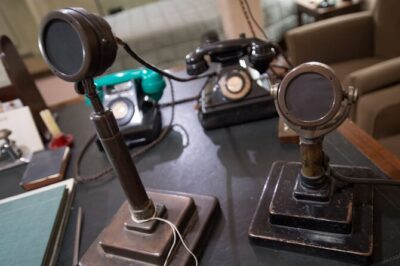
Churchill War Rooms “Behind The Glass” and Private Car Tour
Read our review →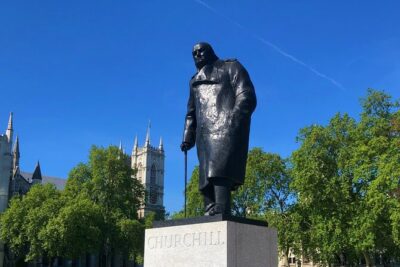
Winston Churchill & London in World War II Walking Tour
Read our review →
Roman Ruins to Blitz Bombings: A Walking Tour of London’s Fiery History
Read our review →
Sir Winston Churchill Private Walking Tour & War Rooms
Read our review →
Winston Churchill Walking Tour with WII War Rooms Entrance
Read our review →Browse the lists this tour appears in