
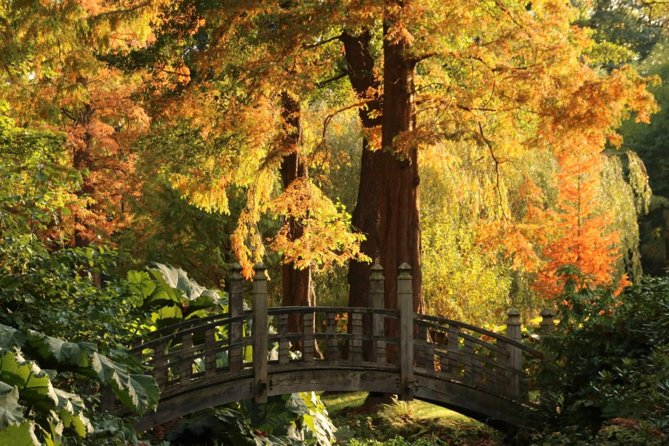
Reviewed · TOURS IN BIRMINGHAM
Skip the Line: House and Garden Admission Ticket
Winterbourne House and Garden gives you something Birmingham does not always offer easily: a quiet pause close to the city. The Edwardian Arts and Crafts garden is the main event, with themed borders, a walled garden, a rock garden, and woodland paths filled with plants from around the world.
I like the link to Gertrude Jekyll’s garden books, which helps explain the careful use of colour and structure. I also like that the visit works for different moods: you can study the house and its 20th-century story, or simply sit on a bench and let the garden slow you down.
The main caution is the phrase skip the line. One visitor still had to join a queue, so advance booking may not remove every wait. Parking can also be awkward because the approach is narrow, and some parts are only partly suitable for wheelchairs and pushchairs.
Key points to know before you go
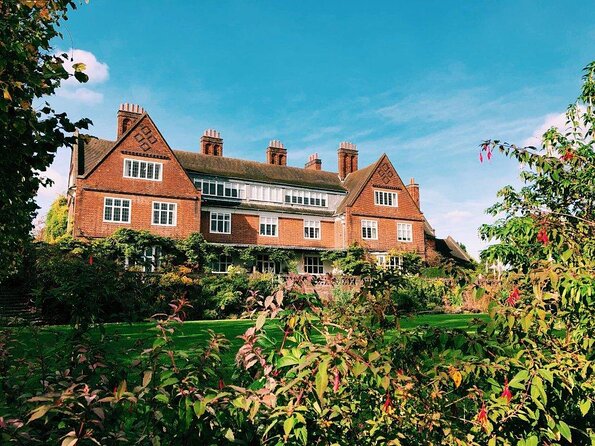
- An Edwardian garden shaped by Gertrude Jekyll: Margaret and John Nettlefold used Jekyll’s books for ideas when creating the garden.
- A quiet retreat near Birmingham: You can move from the city’s noise to lawns, woodland, planting beds, and benches in one short visit.
- The walled garden is strongest from May to October: Its crinkle-crankle wall and seasonal colour make this the best period for a full display.
- Plant collections reach well beyond Britain: Look for specimens connected with China, North and South America, and Alpine regions.
- The visit is flexible: Allow about one to four hours, depending on how closely you inspect the house and garden.
- The $14.17 ticket is good value for a slow visit: Admission covers both the house and garden, but food and drinks cost extra.
Why Winterbourne feels different from an ordinary city attraction
Winterbourne is not simply a formal garden attached to an old house. It is a surviving example of an Edwardian suburban villa garden shaped by the Arts and Crafts movement. That matters because the planting, paths, lawns, and building are meant to work together rather than appear as separate sights.
The house and garden also tell a story about taste in the early 20th century. Margaret and John Nettlefold created the garden with help from Gertrude Jekyll’s published ideas, giving you a direct connection to one of Britain’s most influential garden designers without needing a long guided lecture.
I like this kind of setting because it rewards both attention and idleness. You can look at the structure of a border, notice how the garden rooms connect, and then find a bench for a quiet break. The visit does not force you into a fixed route or a packed schedule.
At the same time, this is not a huge estate. If you want a full day of grand rooms and miles of grounds, you may find Winterbourne modest in scale. Its strength is the quality and calm of the setting, not sheer size.
A few more things to do in Birmingham worth a look
- Skip the Line Tower of London & Westminster Tour and River Cruise
★ 5.0 · 730 reviews - Skip the Line: Liverpool Beatles Museum – The perfect tribute to the Beatles
★ 4.5 · 321 reviews - Skip-the-Line in The National Museum of Popular Music Ticket
★ 4.5 · 205 reviews
Entering the house and meeting its Edwardian character
The house gives the garden a human setting. Instead of viewing plants in isolation, you see them as part of a suburban home created during a period when garden design, domestic life, and Arts and Crafts ideas were closely linked.
Expect the house to add context rather than dominate the visit. The available information does not specify a guided tour, named guide, or detailed room-by-room program, so you should plan for a self-directed visit rather than a scheduled lecture. That suits the atmosphere. You can spend more time in the rooms or move outside when the garden catches your eye.
The 20th-century influences are part of the appeal. Winterbourne is not presented as a frozen time capsule with no later story. Its preservation lets you see how an Edwardian home and garden have continued to matter, while the botanical collections bring a wider world into the setting.
I would begin inside if the weather is poor, then head outdoors when the garden is dry. On a bright day, you may prefer to go straight to the planting and return to the house later. The flexible one to four-hour visit makes either approach possible.
The walled garden and its crinkle-crankle wall
The restored walled garden is one of the clearest reasons to visit. Its crinkle-crankle wall gives the space an unusual shape and a sense of old-fashioned garden craft. From May through October, the beds are described as a riot of colour, so this is where seasonal timing matters most.
Do not expect the same display every month. A visit in early March can still be rewarding, but the garden will not have the same fullness as it does later in the year. If flowers are your main reason for booking, aim for the May to October period, while remembering that exact displays depend on the season.
The wall also helps the garden feel like a distinct room. That matters in an informal visit because it gives you a natural place to pause and compare planting styles. You can look at the colour scheme, the layout, and the way the wall frames the beds rather than simply walking past a series of flowerbeds.
For keen gardeners, this section may deserve the most time. For families, it offers a clear area to explore without requiring a long hike. Benches around the grounds also make it easier to take a rest while others in your group continue looking around.
Lawns, themed borders, and the logic of the planting
The lawns are edged with colour-themed borders, a design choice that makes Winterbourne feel orderly without becoming stiff. The planting is not just a random collection of flowers. Colour, shape, and position help divide the garden into smaller views.
I find themed borders useful for visitors who want to learn a little while they stroll. Even if you are not a gardener, you can see how a border changes the mood of a lawn and how the garden guides your eye from one area to the next.
The lawns also provide breathing space between the denser planting areas. After the walled garden, you can step back and see the larger design. This is one of the better places to slow down, especially if you have spent the morning in central Birmingham.
The grounds include plenty of benches, according to the supplied visitor information. That small detail changes the practical feel of the visit. You are not expected to keep walking, and you can make the stop as active or restful as you like.
Same base, a different kind of day:
- Alton Towers Resort 1 Day Admission Ticket
★ 3.5 · 5,501 reviews - Warwick Castle Admission Ticket
★ 4.0 · 2,096 reviews - Alton Towers Resort 2 Day Admission Ticket
★ 3.5 · 1,198 reviews - Entry ticket to Hoo Zoo and Dinosaur World in Telford
★ 5.0 · 591 reviews
Rock garden, woodland walk, and seasonal changes
Beyond the lawns, an original sandstone rock garden adds texture and height. It gives you a different style of planting from the flat borders, with stones and Alpine plants creating a more rugged setting.
The woodland walk brings another change. Gunnera leaves and rhododendron displays add large shapes and dense planting, making this section feel cooler and more enclosed than the open lawns. The garden becomes less about formal lines and more about movement through plants and shade.
This variety is one of Winterbourne’s best features. In a relatively compact visit, you can see a house garden, formal borders, a walled garden, a rock garden, and woodland planting. Each part gives you a reason to keep walking without requiring a long itinerary.
Season matters here, too. Rhododendrons and other displays will not look the same throughout the year. A repeat visit can make sense if you live nearby or are staying in Birmingham for several days. One visit may show you the structure of the garden, while another reveals a different set of flowers.
Plants from China, the Americas, and Alpine regions
Winterbourne’s botanical garden contains plants from several parts of the world, including China, North and South America, and Alpine areas. This gives the visit more substance than a purely decorative garden.
You can use the collections to think about how plants from different climates are placed within a designed English garden. The setting remains distinctly Edwardian and suburban, yet the planting reaches far beyond Birmingham.
The information provided does not give a complete plant list or promise seasonal specimens by name. I would therefore come with curiosity rather than a fixed checklist. You may find the greatest value in the contrast between the garden’s local history and its international plant collections.
This section should suit keen gardeners especially well. It also works for families who want an outdoor stop with something to look at in every direction. History buffs may prefer to connect the plants to the garden’s original design, while casual visitors can enjoy the colour and calm without needing botanical knowledge.
How much time should you allow?
The estimated visit lasts from one to four hours. That is a wide range, but it reflects the way Winterbourne works.
Allow about an hour if you want a brisk look at the house and the main garden areas. Give yourself two hours for a more comfortable walk, some time on the benches, and a closer look at the walled garden and woodland path.
Four hours may suit visitors who enjoy reading details, studying the planting, taking photographs, or having a slow break. It may also suit a family group moving at different speeds. You can spend time apart and regroup without turning the visit into a tightly timed tour.
The opening hours listed for January 13 through February 28, 2026, are 10:30 a.m. to 3:30 p.m. daily. From March 1 through October 31, 2026, the hours extend to 10:30 a.m. to 4:30 p.m. The longer spring and summer schedule gives you more room to linger, but you should still plan around the stated closing time.
Is the $14.17 admission good value?
At $14.17 per person, this is a reasonable choice if you want a quiet cultural and garden visit rather than a full-day attraction. Your ticket covers admission to both Winterbourne House and Garden, so you are paying for more than a single room or one small outdoor display.
The value improves if you use the visit as a proper break. Sit down, inspect the planting, and allow the house and garden to complement each other. A quick walk through may feel less worthwhile, especially if your schedule is already crowded.
Food and drinks are not included unless specified, so budget separately if you want refreshments. The ticket is best viewed as an admission pass, not a package with extras.
The mobile ticket is convenient, and advance purchase is intended to reduce time spent waiting. Still, I would not treat skip the line as a guarantee of instant entry. One visitor reported joining a queue despite booking ahead. If your day depends on entering at a precise minute, leave some spare time.
Practical points about arrival and comfort
The attraction is in Birmingham, but the supplied information does not give a full transport guide or a precise meeting point. Check the address and current arrival details carefully before setting out.
If you are driving, take the warning about parking seriously. The approach is described as narrow, and parking may be difficult. You may find arriving early less stressful than turning up at the busiest part of the day, though no guaranteed parking arrangement is provided.
The garden has benches, which helps if you want a relaxed visit or need regular breaks. Wheelchair and pushchair access is available only to some extent, so anyone who needs fully step-free movement should confirm the current route before booking.
The experience is capped at 30 people, though a garden visit of this type will not necessarily feel like a fixed group tour. You should not expect a named guide or a set commentary program. The appeal lies in exploring at your own pace.
Confirmation is provided at booking, and most people can take part. The free cancellation policy allows you to cancel up to 24 hours before the start time for a full refund. Changes or cancellations made less than 24 hours before the start time are not accepted for a refund.
Who will enjoy Winterbourne most?
This is a strong pick for keen gardeners who care about design, seasonal planting, and the relationship between a house and its grounds. The Gertrude Jekyll connection adds a useful layer, especially if you enjoy seeing how published garden ideas were put into practice.
History buffs should appreciate the Edwardian and 20th-century setting, though the visit is more peaceful than intensely interpretive. If you want long historical explanations or a formal guide, the available format may feel too quiet.
Families can make good use of the flexible timing, open lawns, woodland walk, and benches. The garden gives children space to move, while adults can study the planting. You will still need to keep an eye on younger children around garden features and paths.
It also suits anyone who simply wants to escape the city for an hour or two. One visitor considered a 45-minute walk from a hotel worthwhile, which gives you a sense of how restorative the setting can feel, though your own route will vary.
Should you book this Birmingham garden visit?
Book it if you want a calm, reasonably priced stop with genuine design interest. The combination of an Edwardian villa, Arts and Crafts planning, global plant collections, and woodland paths gives you more variety than the modest ticket price suggests.
Choose your timing with care. May through October should give you the fullest display in the walled garden, while spring and summer offer longer opening hours. A visit in early spring can still work, but the garden may not yet show all its colour.
I would also book with realistic expectations about the skip-the-line claim. Advance purchase is sensible, but you may still wait briefly. If you can accept that, Winterbourne House and Garden is a good choice for a slow afternoon, a garden-focused outing, or a peaceful change from Birmingham’s city centre.
FAQ
Where is Winterbourne House and Garden?
It is in Birmingham, England.
What does the admission ticket include?
The ticket includes admission to Winterbourne House and Garden.
How long does the visit take?
The approximate duration is one to four hours.
What are the opening hours from January 13 to February 28, 2026?
The opening hours are 10:30 a.m. to 3:30 p.m., Monday through Sunday.
What are the opening hours from March 1 to October 31, 2026?
The opening hours are 10:30 a.m. to 4:30 p.m., Monday through Sunday.
Is food included with the ticket?
No. Food and drinks are not included unless specifically stated.
Can I cancel for a full refund?
Yes. You can cancel at least 24 hours before the experience start time for a full refund. Cancellations or changes made less than 24 hours before the start time are not accepted for a refund.
Just added in Birmingham
- 2-Hour Alpaca Farm Experience in Kenilworth★ 4.5 · 14 reviews
- Haunted Coventry Ghost Walk & Dark History★ 5.0 · 10 reviews
- Taste of Shrewsbury Food and Drink Tour with Guide★ 5.0 · 22 reviews
- Fun, Flexible Treasure Hunt Around Birmingham with Cryptic Clues & Hidden Gems★ 5.0 · 167 reviews
- Private Birmingham Ghosts and Gallows Walking Tour★ 5.0 · 5 reviews
- Birmingham Gangs Nighttime Historical Walking Tour with Pub Stops★ 5.0 · 53 reviews
- Pride History of Birmingham Tour★ 5.0 · 3 reviews
- From Birmingham Stonehenge and Bath Day Tour★ 4.5 · 33 reviews
Tours in Birmingham, compared.



Entry ticket to Hoo Zoo and Dinosaur World in Telford
Read our review →

Birmingham Walking Tour: Canals, Victorians & Today (1:30pm)
Read our review →
Discovering Birmingham 2 hour Walking Tour to the Jewellery Quarter
Read our review →
Birmingham Slogging Gangs Walking Tour with Edward Shelby
Read our review →
Birmingham City Centre Daily Walking Tour (10:30am & 2pm)
Read our review →Browse the lists this tour appears in