
Reviewed · MUSEUMS
Private Tour, The British Museum, popular with Families & Small Groups
The best thing about this British Museum tour is its clear mission: show you the famous objects without letting the museum swallow your whole day. Your guide leads you from the Rosetta Stone and Egyptian mummies to Assyrian winged bulls, Greek sculptures, Sutton Hoo treasure, and Roman displays, with stories and questions aimed at families.
I like the private format, since your group gets the guide’s full attention instead of trying to hear over a crowd. I also like the built-in break, a small but smart touch when children or tired adults have had their fill of ancient kings and mummies.
The main drawback is the price, $286.41 per person. That can be fair for a private group that wants a focused introduction, but it is a serious spend if you are happy to wander through the museum at your own pace.
Key points to know before you book
- Rosetta Stone and mummies: Begin with major Egyptian treasures, then return upstairs to compare mummification styles and look for an ibis, baboon, and young woman.
- Family-friendly storytelling: Expect gory tales, questions, and interactive quizzes rather than a long lecture.
- Private Blue Badge guide: Only your group takes part, giving you room to ask questions and adjust the pace.
- Guaranteed access past long lines: Your guide meets you at the main gates and provides guaranteed skip-the-line access.
- A planned comfort stop: The tour includes time for a quick refreshment and comfort break.
- A tightly packed two hours: You see major galleries across Egypt, Assyria, Greece, Britain, Rome, and later exhibits, but you will not see every room.
Why a private British Museum tour helps
The British Museum is free to enter, but free does not mean simple. The collection covers ancient Egypt, Assyria, Greece, Rome, Britain, and much more. On your own, you can easily spend too long in one gallery, miss an important object, or run out of energy before reaching the mummies upstairs.
This tour gives you a route and a human guide to make sense of it. The goal is not to inspect every display case. It is to connect a series of memorable objects into a two-hour story about empires, belief, art, war, engineering, and everyday life.
The private setup matters most for families and small groups. Children can answer questions without feeling they are interrupting a large tour. Adults can ask for more detail, request a faster pace, or pause briefly for a picture. The guide can also shape the explanation around what holds your group’s attention.
Several guides are named in the feedback for this experience. Lucy helped recover from an initial meeting mix-up, while Marina was praised for keeping a family engaged. Lawrence used storytelling to bring the subject to life, and Denisa helped a group see far more in a limited time. Ainura led visitors through the museum’s major treasures and explained details that are easy to miss alone.
Those comments point to the real strength of the tour: the guide is not just walking you from room to room. The guide’s skill in choosing details and telling the story will shape your day.
More museums in London:
- Chelsea FC Stadium Tours and Museum
★ 5.0 · 1,908 reviews - Official tickets: Moco Modern & Contemporary Art Museum
★ 4.5 · 1,157 reviews - British Museum London Guided Tour Semi-Private 8ppl Max
★ 5.0 · 984 reviews
Meeting at the museum gates
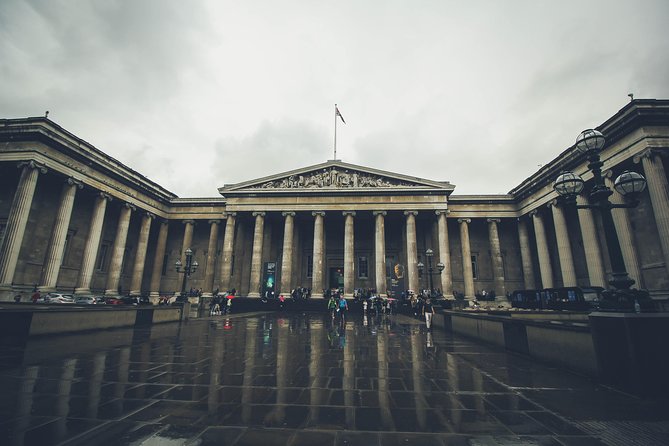
Your guide waits at the main museum gates, next to the phone box opposite the Museum Tavern. This detail is worth saving before you leave your hotel. The meeting point is in central London, near public transportation, but the first meeting attempt has caused confusion for at least one group.
Arrive with enough time to identify the entrance and the phone box. Keep your phone available in case you need to contact the tour provider. Once you meet your Blue Badge guide, guaranteed access is included, so you can avoid the long public entry line.
The activity ends back at the meeting point. That makes it easy to continue exploring the museum on your own, take a seat in the Great Court, or move on to another part of London.
The Great Court gives you an instant orientation
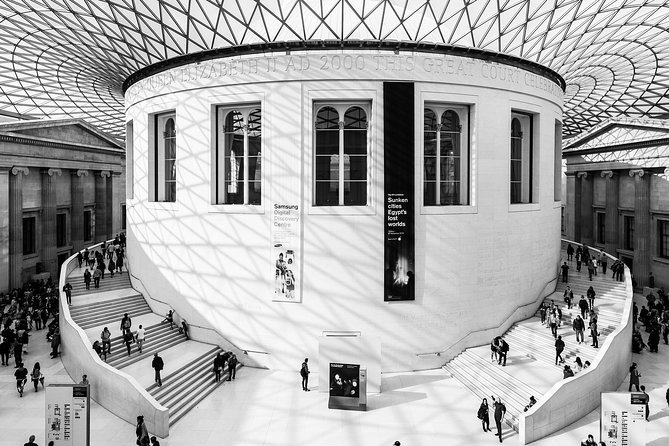
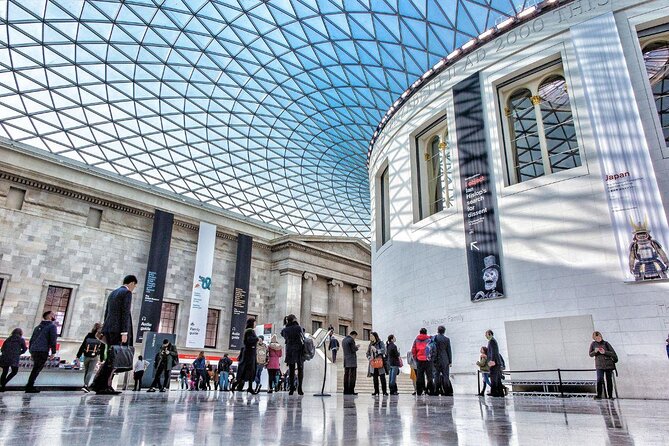
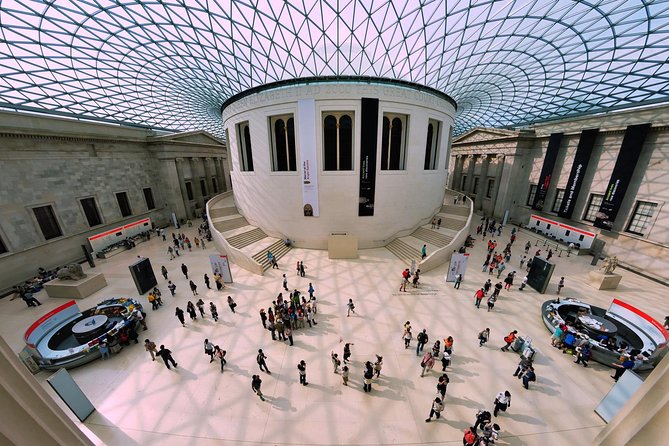
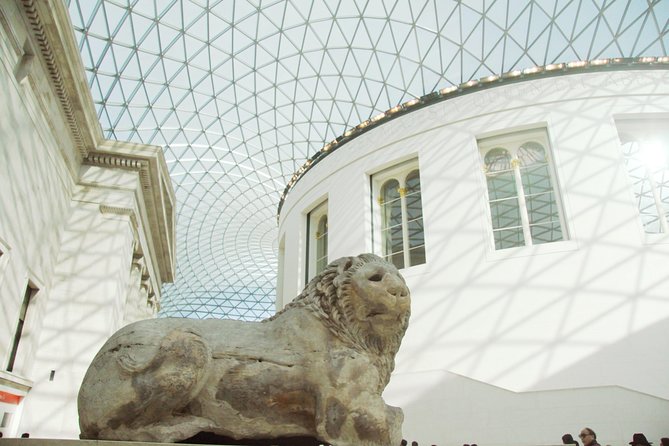
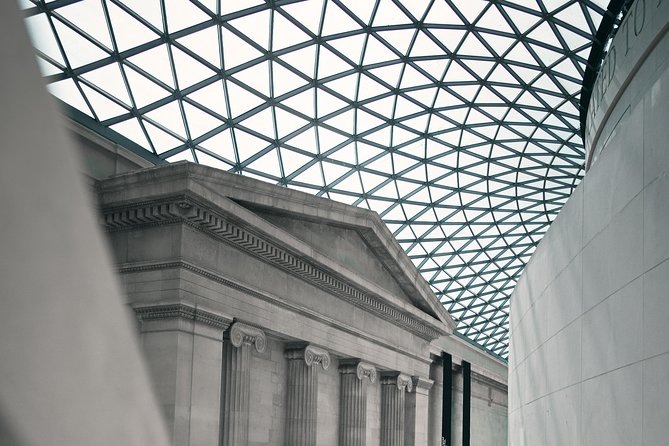
Inside, the tour begins with the Great Court. Its broad open space and glass roof give you a fine first view of the museum before you enter the galleries. It is also the natural place for family photographs.
I like starting here because the Great Court gives you a sense of scale. The museum is not a small collection of a few famous objects. It is a huge institution, and the court helps you understand why a plan is useful.
The tour usually begins on the ground floor. You move through several major galleries before taking the break and heading upstairs. The route covers a lot of ground, so wear shoes you can manage comfortably for around two hours.
Egypt and the Rosetta Stone
The Egyptian gallery provides the first major stop. The Rosetta Stone is the star, but the guide uses it as a puzzle rather than treating it as a distant block of carved rock.
You can try to spot how the word cat is written in hieroglyphics. That small challenge changes the way you look at the stone. Instead of simply taking a photograph, you have something specific to search for.
This family approach is one of the tour’s better ideas. Children receive a task, adults get a quick lesson, and the object becomes easier to remember. The guide also places Egyptian objects into a wider story of writing, belief, and royal power, though the exact explanation will depend on your guide.
The Egyptian galleries can be crowded and visually busy. A private guide helps by directing your attention to the pieces that matter most. The tradeoff is that you move on before you can study every nearby object.
A few more things to do in London worth a look
- The Premier Classic London: Private 4-Hour Tour in a Black Cab
★ 5.0 · 2,737 reviews - Stonehenge Inner Circle Private Tour from London with Bath Visit
★ 5.0 · 1,909 reviews - Private Tour: Black Taxi Tour of London
★ 5.0 · 1,153 reviews - Private London Arrival Transfer – Airport to Hotel / Accommodation
★ 3.5 · 1,085 reviews
Assyria, winged bulls, and royal hunting
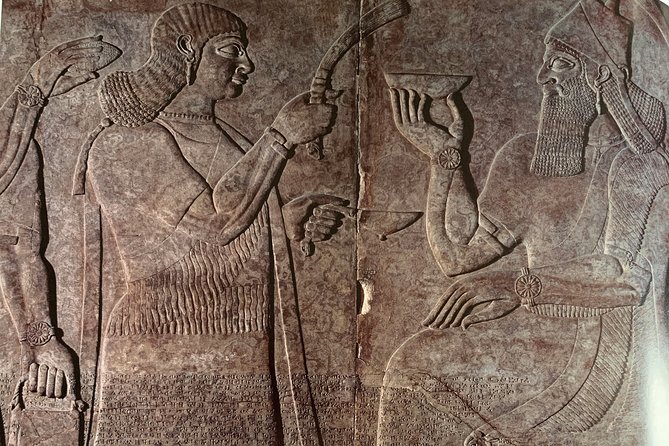
From Egypt, the route continues to Assyria. Here, the mood changes from written symbols and burial practices to imperial power.
You see winged bulls that guarded an ancient city. The guide also tells the story of kings hunting lions, then poses a memorable question: who wins in a battle between the human king and the animal king?
That kind of question is exactly what makes this route work for families. It gives children a way into objects that might otherwise seem severe or unfamiliar. The scenes also help you think about how rulers wanted to present themselves, as powerful, brave, and protected by symbols.
The Assyrian galleries are a good reminder that the museum’s famous objects are not all small and delicate. Large sculptures can make a stronger impression on children, and the guide’s storytelling helps connect them to the people who made and viewed them.
Athens, the Acropolis, and the Elgin Marbles
The next major section focuses on Athenian objects in the Duveen galleries, currently home to the Elgin Marbles. The guide uses a basic question to clear up a common confusion: are the Acropolis and the Parthenon the same thing?
This is a useful moment for adults as well as children. The tour does not assume that you already know the layout of ancient Athens or the difference between a hilltop complex and one of its temples. A short explanation can make the sculptures easier to place.
The Duveen galleries also provide a change in scale after the Assyrian rooms. You move from guardians and hunting scenes to classical sculpture and the artistic world of Athens.
You should keep your expectations sensible. The tour gives you an introduction to these major displays, not a full study of Greek art. If the sculptures are your main reason for visiting, you may want to return after the guided portion and spend more time here.
The planned break matters
After the ground-floor galleries, the tour includes a quick comfort and refreshment break. Food and drinks are not included, so plan to purchase anything you want separately.
This pause may sound minor, but it is one of the most practical features for families. The route asks you to concentrate, walk, answer questions, and absorb unfamiliar names and places. A short reset can keep the second half from becoming a blur.
It also makes the tour easier for mixed-age groups. One person may be ready for more mummies while another needs a moment to sit down. Because the tour is private, your guide can give your group a little breathing room rather than holding a large party to a fixed rhythm.
Egyptian mummies and unusual animals
After the break, you return to Egypt, this time upstairs to see the mummies. The guide compares two different styles of mummification, giving you a useful way to notice differences instead of viewing the collection as one long line of wrapped bodies.
You also search for the mummy of an ibis, a baboon, or a young woman. These details add variety to the stop. Children often respond more strongly to the animal mummies than to a general explanation of burial customs, and the search gives them another clear job.
The subject can be intense. Families with very young children may want to judge their child’s comfort with mummies before booking. The tour is designed to include gory stories, so the tone is lively and not sanitized.
At the same time, the guide’s storytelling gives the displays a human purpose. You learn that mummification was tied to belief and identity, not simply a strange ancient technique. The exact amount of detail will depend on your guide and your group’s questions.
Sutton Hoo and Britain’s own treasures
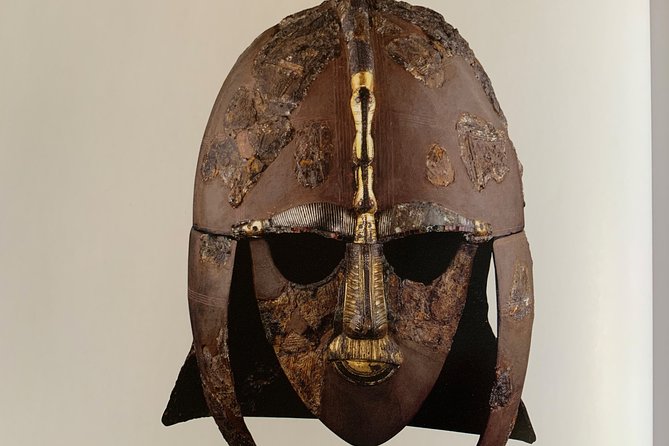
The route then turns toward Britain, with the Sutton Hoo treasure as a key stop. This is a welcome change after the large overseas empires. The museum’s collection is not only about Egypt, Assyria, Greece, and Rome. Britain has its own important archaeological stories.
Sutton Hoo gives the guide a chance to keep the timeline moving while bringing the subject closer to home. If your family knows little about early Britain, this section can provide a useful bridge between the ancient Mediterranean world and the island’s own past.
The tour does not present every British display. Instead, it selects one major treasure and uses it to widen the story. That is a sensible choice within a two-hour visit, though it may leave you curious about other British galleries.
Roman engineering and the question of progress
The Roman galleries show how advanced Roman builders, engineers, and artists were. The guide asks a simple question: what did the Romans do for us?
That question gives the section a clear shape. You are not only looking at statues or objects. You are considering roads, buildings, engineering, and the practical systems that allowed Roman culture to spread and endure.
For families, Roman material often works well because it connects art with construction and everyday life. Children who are less interested in sculpture may pay more attention when the subject turns to building and engineering.
The Roman stop also adds balance to the tour. Egypt and Assyria can feel distant and mysterious, while Rome helps you think about the way ancient ideas influenced Britain. It is another example of the guide using questions to keep the route active.
A modern turn with tablets
Near the end, the tour moves from ancient empires toward more modern times. You are asked to guess how many tablets the average person consumes during a lifetime, then see them laid out in front of you.
This is a surprising change of subject after mummies, kings, and Roman builders. It gives you a reminder that museums are not only about the distant past. They can also make ordinary modern habits look strange when displayed in a new setting.
For children, this final question provides one more easy way to participate. For adults, it is a brief prompt to think about consumption and daily life. The tour then returns to the Great Court, where you can sit and reflect before leaving or continuing on your own.
What the $286.41 price means
At $286.41 per person, this is not a budget museum visit. The British Museum itself is free to enter, and independent visitors can see many of the same galleries without paying for a guide.
The value comes from time, direction, and private attention. If you have only two hours, or if your group includes children who need a clear story, the tour can prevent wasted effort. Guaranteed entry also matters on a crowded day, since a long wait can take a large bite out of a short London visit.
Group discounts may improve the calculation for some bookings, but the supplied price is listed per person. Compare the total cost for your group before committing. A family that enjoys questions and wants the major highlights may find the private format worthwhile. A pair of adults who like to read labels slowly may prefer the free museum experience and a self-guided route.
Food and drinks are not included. The tour does include a break, but you should budget separately if you want refreshments.
Who should book this experience?
This tour suits families, small groups, and first-time British Museum visitors who want structure. It is especially useful if you find large museums tiring or if you want a guide to decide which rooms deserve your limited time.
It also suits groups with different interests. The route includes writing, animals, royal power, sculpture, burial customs, treasure, engineering, and modern life. That range gives the guide several ways to keep the group involved.
You may want to skip it if you prefer long, quiet study of one collection. You should also think twice if the per-person cost would strain your London budget. The experience is strongest when you value a private guide, guaranteed entry, and a lively family route more than an inexpensive museum visit.
The activity is offered in English. Service animals are allowed, and most people can participate. It is near public transportation, but the meeting point deserves careful attention.
Should you book it?
Book this tour if you want to see the British Museum’s headline objects in about two hours without planning the route yourself. The Rosetta Stone, winged bulls, Elgin Marbles, mummies, Sutton Hoo treasure, Roman displays, and the planned break create a well-shaped introduction.
I would choose it for a family that wants the museum to feel active rather than overwhelming. I would be less likely to choose it for a budget-conscious adult who has half a day to wander. The strongest reason to pay is the private guide, and guides such as Lucy, Marina, Lawrence, Denisa, and Ainura have shown how much storytelling and personal attention can change the experience.
Free cancellation is available when you cancel at least 24 hours before the start time. Changes or cancellations made later are not accepted for a refund.
FAQ
How long does the British Museum tour last?
The experience lasts approximately two hours to two hours and 30 minutes. The planned museum route itself is described as taking about two hours.
How much does the tour cost?
The listed price is $286.41 per person. Group discounts are available, but the exact discount is not specified.
Is this a private tour?
Yes. Only your group takes part in the activity, so you receive the guide’s attention without joining a larger public group.
Is entry to the British Museum included?
The tour includes a Blue Badge guide and guaranteed access past long lines. The experience description lists the museum admission ticket as free.
Where do you meet the guide?
Your guide waits at the main museum gates, next to the phone box opposite the Museum Tavern. The activity ends back at the meeting point.
What language is the tour offered in?
The tour is offered in English.
Are food and drinks included?
No. Food and drinks are not included, although the tour includes a quick comfort and refreshment break.
Can I cancel for a refund?
You can cancel for a full refund if you do so at least 24 hours before the experience starts. Cancellations or changes made less than 24 hours before the start time are not accepted for a refund.
Just added in London
- The Beatles and a Secret pub★ 4.5 · 36 reviews
- The Beatles & Liverpool Magical Mystery Tour from London★ 4.5 · 80 reviews
- Airport Coach Service from Heathrow to Oxford★ 3.5 · 67 reviews
- The Beatles Magical History Black Taxi Tour London★ 5.0 · 51 reviews
- The Beatles London walking tour. From Abbey Road to the Roof Top★ 5.0 · 61 reviews
- Private The Beatles Taxi Tour in London★ 5.0 · 12 reviews
- The Beatles London Walk★ 4.5 · 120 reviews
- The Alfred Hitchcock London Walk with Sandra Shevey★ 5.0 · 15 reviews
Museums, compared.


Official tickets: Moco Modern & Contemporary Art Museum
Read our review →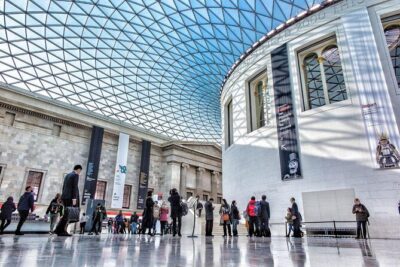
British Museum London Guided Tour Semi-Private 8ppl Max
Read our review →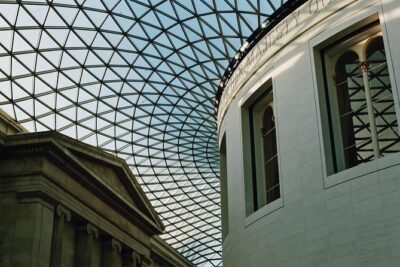
The British Museum London – Exclusive Guided Museum Tour
Read our review →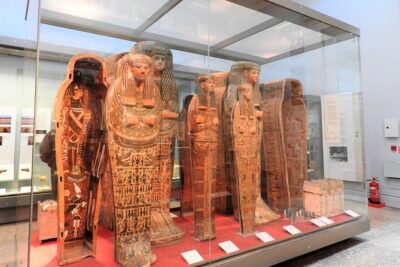

Skip the Line: Liverpool Beatles Museum – The perfect tribute to the Beatles
Read our review →
Browse the lists this tour appears in