
Reviewed · PHOTOGRAPHY SESSIONS
London Photography Masterclass – Private Photography Lesson
London Photography Masterclass: Private Photography Lesson Review
The best part of this private London photography lesson is the chance to stop merely collecting pictures and start making deliberate images. In three hours, your guide can help you work with difficult light, reflections, moving traffic, and famous sights that are easy to photograph badly. Night sessions focus on long exposure, light trails, light painting, and high ISO work.
I especially like the one-to-one coaching, since you can ask the same question twice and receive advice based on your own camera and skill level. I also like the route, which links Westminster, the Thames, St. Paul’s, the Shard, and Tower Bridge rather than keeping you in one small area. The main drawback is practical: at $218.21 per person, this is a serious spend, and you must bring your own camera and tripod.
Key points before you book
- Private instruction: Only your group takes part, so the lesson can follow your interests and ability.
- A London route with range: You move from royal Westminster to modern South Bank and the City’s night views.
- Strong night photography focus: Learn long exposures, light trails, light painting, and high ISO shooting.
- Named guides with different strengths: Derrick, Rose, and Noemi have all led sessions, with an emphasis on patience, creativity, and practical coaching.
- Bring your own kit: A camera and tripod are not included, so check your equipment before setting out.
- A compact lesson: Three hours gives you focused practice, but the ten listed stops make for a brisk outing.
What this private London photo lesson really offers
This is not simply a guided walk with a few camera tips added on. The useful part is the repeated cycle of choosing a view, making an image, checking it, and adjusting your settings. Your guide can look at what you have just taken and explain why it works or why it needs another attempt.
That matters most at night. London offers bright buildings, dark water, moving buses, illuminated bridges, and changing reflections. Those elements can produce striking photographs, but they also expose weak technique quickly. A private lesson lets you ask about shutter speed, aperture, ISO, framing, and focus at the exact moment you need help.
The experience is offered in English and is for your group alone. That makes it a better fit than a general photo walk if you already know the basics or want help with a specific goal. One person may want cleaner architecture shots. Another may want to learn long exposure. A private guide can work with both, within the limits of a three-hour route.
Derrick, Rose, and Noemi are among the guides associated with sessions of this kind. Derrick has been praised for reviewing pictures as the walk progresses and for pushing photographers past good enough. Rose has worked well with both experienced adults and a 17-year-old photographer, using patience and creative suggestions. Noemi has helped a photographer understand how ISO, f-numbers, and exposure times change a night image.
Guide assignments can change, so you should not assume that one particular person will lead your booking. Still, the pattern is clear: this experience depends heavily on personal coaching, not on a scripted talk.
More photography sessions in London:
- Professional Photoshoot in London Photographer
★ 5.0 · 102 reviews - Private landmarks photoshoot for families and couples
★ 5.0 · 92 reviews - Professional Private Photoshoot in London
★ 5.0 · 63 reviews
Starting at Westminster Bridge
The meeting point is at St Thomas’ Hospital and County Hall, at Stop D, London SE1 7EP. From there, Westminster Bridge gives you an immediate reason to have your camera ready.
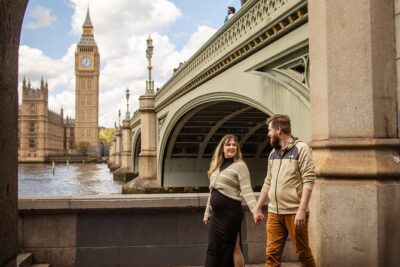
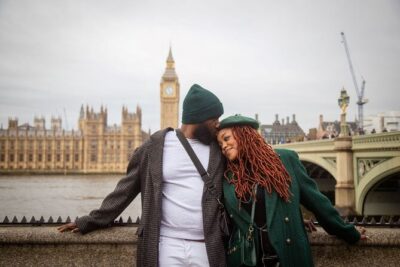
The bridge offers views toward the Palace of Westminster, the London Eye, and the Thames. It is a useful first stop because you can work on composition with several strong subjects in one frame. You might frame the river as a leading line, use the bridge railings to guide the eye, or balance the historic buildings against the rounded shape of the Eye.
This is also where the private format begins to pay off. The area can be crowded and visually busy, so your guide can help you simplify the frame rather than simply pointing out famous buildings. If you are photographing at night, reflections and artificial light become part of the lesson.
The drawback is time. Westminster Bridge is a popular public crossing, and the route includes many more stops. You will not have unlimited time to try every angle.
Palace of Westminster and the London Eye
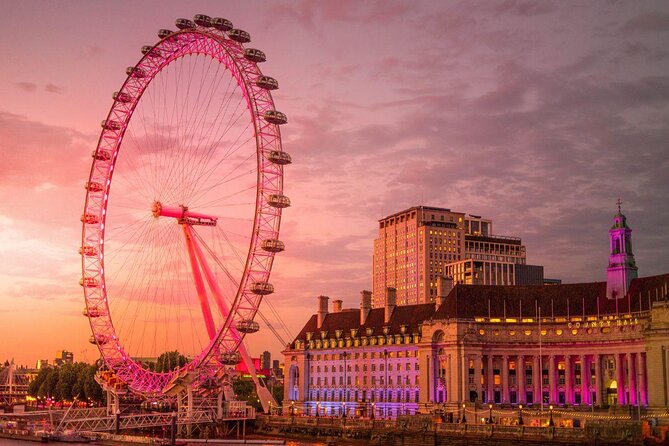
The Palace of Westminster provides the classic London subject: detailed stonework, towers, and a strong riverside position. The London Eye gives you a contrasting subject with a cleaner, more modern outline.
Together, they offer a useful exercise in visual variety. The palace rewards careful framing and attention to architectural detail. The Eye is more about shape, scale, and the way the capsules and wheel interact with the skyline. At night, the two subjects can work well in one wider composition, though the difference in brightness can challenge your exposure.
You should expect guidance rather than a formal photography lecture. Your instructor may ask what you are trying to show, then help you change your position or settings. That approach is more useful than simply being told where to stand.
The Household Division is also included on the route. This adds a ceremonial and military element to the city’s visual story. The supplied information does not give a precise activity or viewing time there, so think of it as a stop connected with London’s formal royal character, not a guaranteed scheduled ceremony.
Crossing Waterloo Bridge toward Southbank
Waterloo Bridge changes the mood. From here, London opens out along the Thames, with views toward St. Paul’s, the South Bank, and the modern City skyline.
This is a good section for learning how to use the river as structure. The water can reflect lights, while the bridges and buildings create horizontal layers. Your guide can help you decide whether to make the river the main subject or use it to support the architecture.
Southbank adds movement and street atmosphere. You may find more people, changing light, and less control over the frame than at a quiet viewpoint. That is not always a problem. It gives you a chance to work with real city conditions instead of waiting for a perfectly empty scene.
The route can feel quick here. A three-hour private lesson covering ten named stops asks you to keep moving. If one location matters most to you, tell the guide early so your time is used well.
A few more things to do in London worth a look
- London Traditional English Scone Making and Tea Workshop
★ 5.0 · 271 reviews - Street Art Tour and Spray Painting Workshop in London
★ 5.0 · 98 reviews - Street Art Walking Tour and Workshop in London
★ 5.0 · 58 reviews - Private DJ Class
★ 5.0 · 11 reviews
Millennium Bridge and St. Paul’s Cathedral
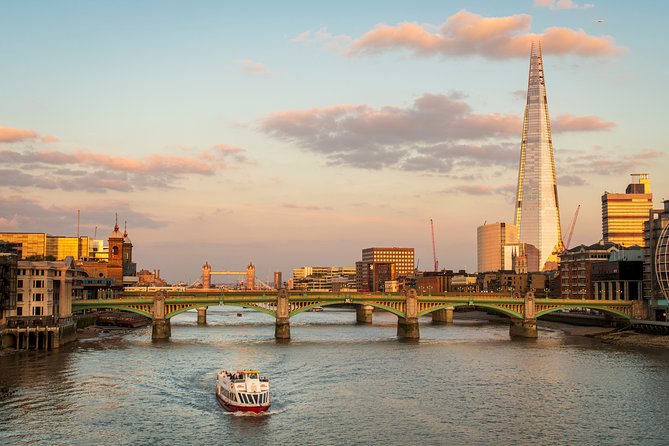
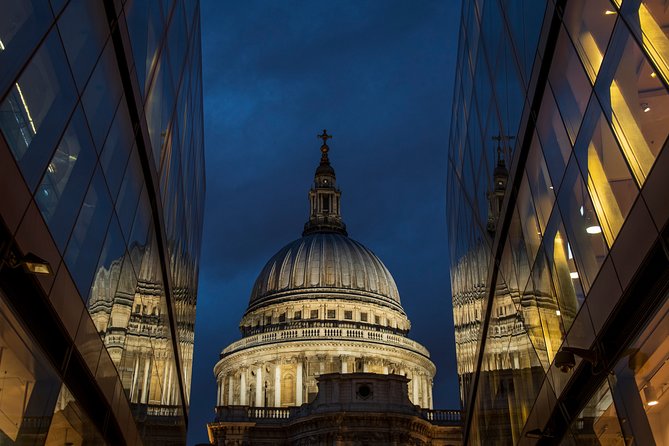
The Millennium Bridge is one of the strongest photographic stops on the route. Its straight lines draw the eye toward St. Paul’s Cathedral, creating a natural composition that works in daylight and after dark.
This is a fine place to practice symmetry, perspective, and leading lines. A low viewpoint can make the bridge feel more graphic. A centered frame can emphasize its geometry. At night, a long exposure may smooth movement and make the bridge’s lines cleaner, while city lights add color to the scene.
St. Paul’s brings a very different subject into the frame. Its dome and classical form give the image weight and structure. The challenge is balancing the cathedral’s bright stone with a darker sky and nearby lights.
The guide’s picture reviews are particularly useful at stops like this. Instead of wondering later why the dome looks too bright or the bridge feels crooked, you can make a correction while you are still in position.
The Shard and London’s modern skyline
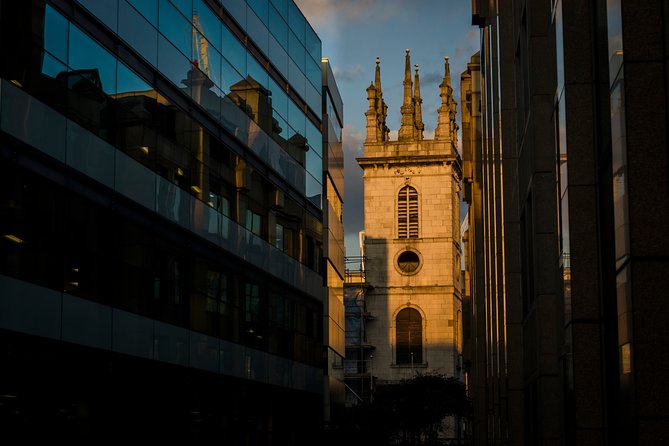
The Shard gives the lesson a sharp change of style. Its height and pointed form create a strong modern counterpoint to St. Paul’s and Westminster.
You can use it as a single subject or place it within a wider City view. The value here is not simply seeing another landmark. It is learning to notice how different buildings occupy a frame, how bright windows affect exposure, and how much empty sky or dark water you want to include.
If your goal is to move beyond standard postcard views, this section should help. One photographer who regularly worked in London used a night session to find less familiar positions and to push beyond the usual tourist images. That is exactly the sort of improvement a private lesson can support.
You should be ready for your guide to challenge your first idea. Good coaching is not only about getting a usable picture. It is about trying a different crop, changing your position, or waiting for a better arrangement of light.
Ending at Tower Bridge
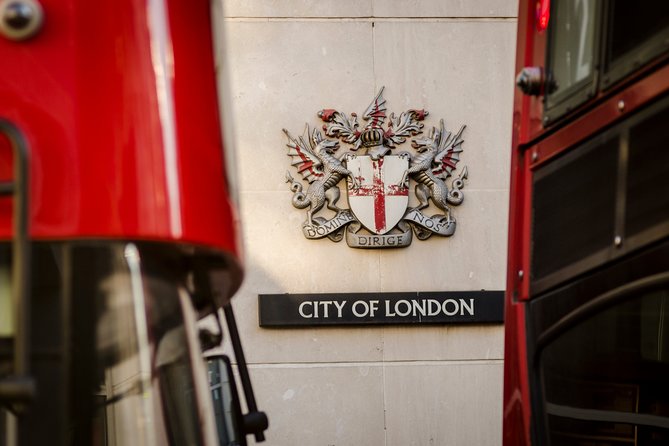
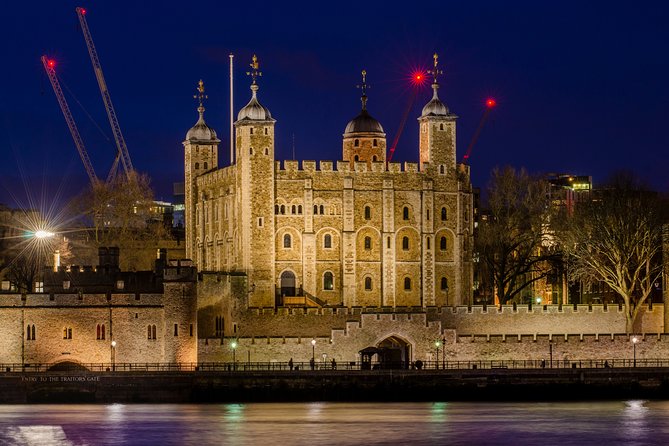
Tower Bridge is the route’s grand finish. Its towers, suspension structure, and position over the Thames give you plenty to work with, especially after dark.
Night photography here can combine several techniques in one scene. A long exposure may record light trails from traffic and smooth the river. Reflections can add a second layer of color. A higher ISO may help when you want a quicker shutter speed, though it can introduce more noise. Light painting may also be demonstrated as part of the creative work, depending on your guide and conditions.
The important point is that these techniques are taught in context. You are not learning long exposure as an abstract camera setting. You are using it to photograph a recognizable London scene.
The route ends back at the meeting point, according to the supplied details. The distance and number of stops mean comfortable walking shoes are sensible, though the experience information does not give a precise distance or accessibility rating. Public transport is nearby, and most people can participate.
Day photography or London after dark
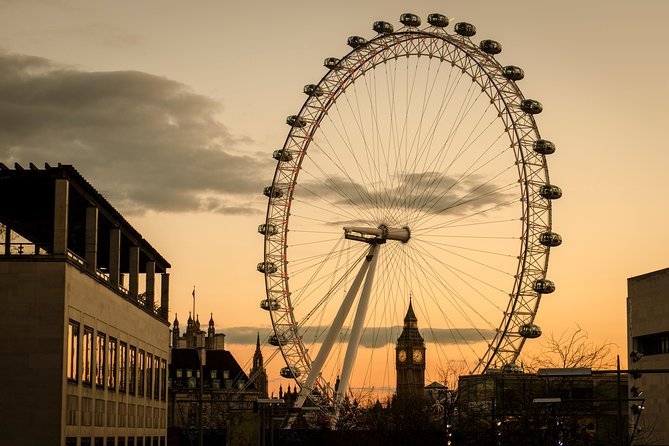
The experience can suit more than one type of photographer. The description presents a general London photography route as well as a specific night option.
A daytime or general session may focus more on the city’s architecture, street scenes, composition, and creative development. It can work well if you want help photographing the capital during normal sightseeing hours.
The night version is more specialized. Bring a tripod and a warm scarf, as the session takes place outdoors and asks you to work with slower shutter speeds. You will study long exposure, light trails, light painting, and high ISO shooting.
Night photography has a steeper learning curve. Your first attempt may be too bright, too dark, blurred, or noisy. That is part of the value of having a guide beside you. Noemi, for example, has helped participants connect specific settings with visible changes in the final image, including the effect of ISO, aperture, and exposure time.
If you already own a tripod and understand basic manual controls, you will probably get more from the session. If you are a complete beginner, you can still ask questions, but the pace may feel brisk because the route covers so much ground.
Is $218.21 per person good value?
At $218.21 per person, this is not a budget sightseeing walk. The price makes the most sense when you value personal tuition rather than simple access to landmarks.
A private lesson can save you time in two ways. First, you do not need to work out the best general viewpoints alone. Second, you can correct technical mistakes on the spot instead of returning home to discover that your night images are soft or poorly exposed.
The value is stronger for a single photographer, a couple with a shared interest, or a small group where everyone wants instruction. Group discounts are available, though the supplied details do not give the discount amount. For a group, ask how the price changes before booking.
The value is weaker if you mainly want a relaxed sightseeing walk or if you do not plan to use the skills afterward. It is also less attractive if you expect equipment to be supplied. The camera and tripod are not included.
Six published ratings are listed at five stars, with especially strong praise for patient coaching, creative suggestions, picture reviews, and the ability to adapt to rain. That does not guarantee perfect weather or a particular guide, but it does indicate that the teaching element is the main reason to choose this experience.
Rain, pace, and practical details
Rain does not automatically ruin the session. Rose and Derrick have both helped photographers continue working through wet conditions, and one participant still came away with strong images on a rainy London day. You should protect your camera, wear suitable clothing, and accept that weather may become part of the photographs.
The pace is the bigger practical issue. Ten stops in about three hours is ambitious. You will see many major sights, but this is not a slow architectural study at each location. Tell your guide what you most want to photograph and what skills matter most to you.
Confirmation is provided when you book. The activity is available in English, uses a mobile ticket, and is near public transportation. You can cancel for a full refund up to 24 hours before the local start time. Cancellations or changes made inside that period are not accepted for a refund.
Who should book this lesson?
I would choose this for a photographer who wants personal feedback, not just a list of viewpoints. It is also a smart birthday gift, particularly for a keen teenager or family member who already enjoys using a camera.
It suits an experienced amateur who has photographed London before and wants fresh angles. It also works for someone who knows basic settings but has never managed successful long exposures at night.
I would hesitate if you want a quiet, unhurried evening, dislike carrying equipment, or have no interest in practicing after the tour. The session asks you to walk, stop, shoot, review, and try again.
Should you book the London Photography Masterclass?
Book it if you want your London photographs to improve during the trip, especially if night photography is your goal. The private format, practical picture reviews, and wide route give you more than a standard photo walk.
Skip it if the price feels high for three hours or if you mainly want sightseeing without instruction. Bring your own camera and tripod, prepare for a brisk pace, and tell the guide which sights and techniques matter most. For the right photographer, this is a focused way to turn London’s famous views into stronger personal images.
FAQ
How long does the photography lesson last?
The experience lasts approximately three hours.
Is this a private tour?
Yes. Only your group participates in the activity.
What camera equipment do I need to bring?
A camera and tripod are not included. For the night photography option, you are specifically advised to bring a tripod.
Is the tour offered in English?
Yes, the experience is offered in English.
Where does the experience start?
It starts at St Thomas’ Hospital and County Hall, Stop D, London SE1 7EP, UK.
Where does the experience end?
The activity ends back at the meeting point.
What photography techniques can I learn at night?
The night session covers long exposure, light trails, light painting, and high ISO shooting.
Can I cancel for a full refund?
Yes. You can cancel at least 24 hours before the local start time for a full refund. Cancellations or changes made less than 24 hours before the start are not accepted for a refund.
Just added in London
- The Beatles and a Secret pub★ 4.5 · 36 reviews
- The Beatles & Liverpool Magical Mystery Tour from London★ 4.5 · 80 reviews
- Airport Coach Service from Heathrow to Oxford★ 3.5 · 67 reviews
- The Beatles Magical History Black Taxi Tour London★ 5.0 · 51 reviews
- The Beatles London walking tour. From Abbey Road to the Roof Top★ 5.0 · 61 reviews
- Private The Beatles Taxi Tour in London★ 5.0 · 12 reviews
- The Beatles London Walk★ 4.5 · 120 reviews
- Dinner and Jazz Cruise on the River Thames★ 4.0 · 140 reviews
Photography Sessions, compared.
Professional Photoshoot in London Photographer
Read our review →
Browse the lists this tour appears in