
Reviewed · MUSEUMS
Explore Bible Art at the National Gallery of London
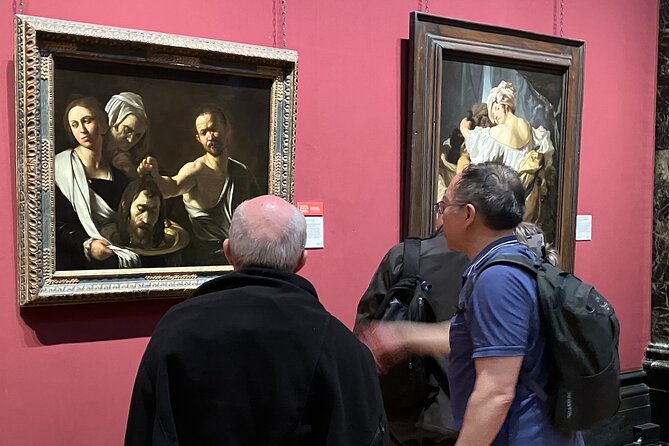
The clever idea here is to treat the National Gallery as an illustrated Bible. With David guiding you from scenes of Jesus’ birth and miracles to his death and resurrection, paintings become a starting point for questions about Scripture, theology, tradition, and the choices artists made.
I like the small group of no more than 10, which should make discussion far easier than on a crowded museum walk. I also like the mix of famous names, including Leonardo da Vinci, Rembrandt, and Caravaggio, with lesser-known biblical and apocryphal scenes. The main consideration is focus: this is a Christian study tour first, not a standard survey of every great painting in the National Gallery.
- David leads a three-hour Bible study through major National Gallery paintings
- Scenes range from Joseph, Moses, and David to Jesus’ birth, death, and resurrection
- Scripture and Christian theology guide the discussion
- Apocryphal stories help explain paintings found in some Christian traditions
- The group is capped at 10 people, with folding stools available on request
- Museum entry is free, but you must book your own National Gallery ticket
Seeing the Bible Through London’s Best Paintings
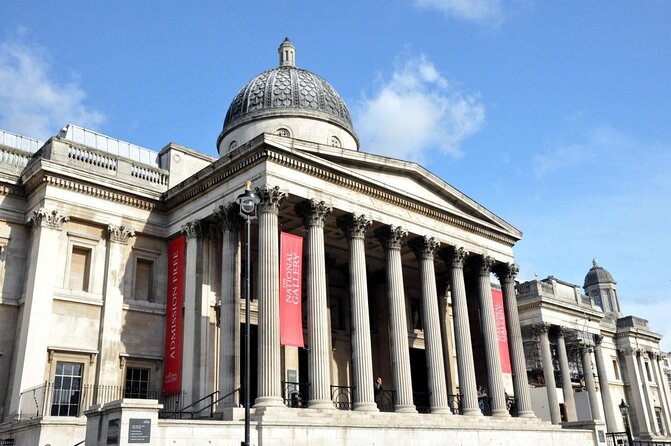
The National Gallery sits on Trafalgar Square, and the tour begins at the George Washington statue at 1:00 pm. That meeting point is easy to locate, but give yourself enough time to find it in the busy square and book your free gallery-entry ticket before the day of the tour.
Once inside, David winds through different rooms rather than following a single historical corridor. That suits the subject. Biblical art appears across centuries and countries, so you may move from one artistic age to another as the discussion follows a story, a character, or a theological theme.
The focus is on representational art. In plain terms, the people and events are meant to be identifiable. You are not being asked to decode a wall of abstract symbols or guess at a hidden subject. You will see recognizable scenes connected with Jesus, the Israelites, and familiar stories from the Bible.
That makes this a useful choice if you know the broad biblical stories but have never paid much attention to how painters pictured them. You will look at a scene, identify its characters, and then consider why the artist showed the event in that particular way.
From Joseph and Moses to Jesus’ Resurrection
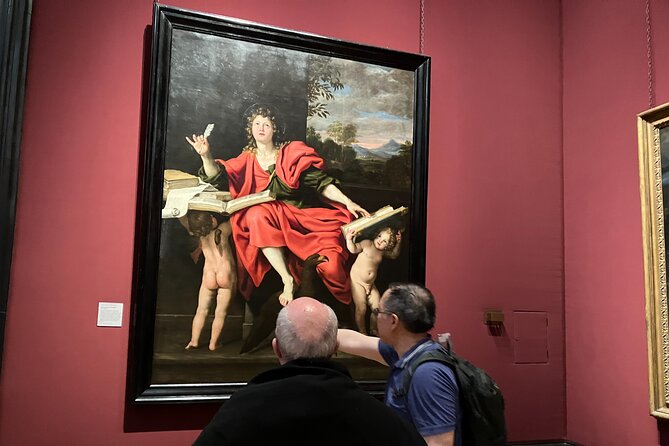
The route reaches back to the stories of the Israelites, including Joseph, Moses, and David. These figures give the tour a wider frame than a simple life of Jesus. You can expect the conversation to connect Old Testament stories with later Christian interpretations and artistic traditions.
The Jesus section covers the familiar arc: his birth, miracles, death, and resurrection. These are subjects artists returned to again and again, but repetition does not mean sameness. Different painters made different choices about expression, gesture, setting, light, and the emotional tone of a scene.
That is where David’s approach matters. The tour uses the paintings as a springboard for Christian theological discussion, then returns to the visual details in front of you. Scripture helps explain the subject, while the painting shows how an artist and a particular period understood it.
The result should appeal most to people who want more than dates and names. You will still learn about artists and paintings, but the central question is often what the image says about the biblical passage and the beliefs surrounding it.
More museums in London:
- Chelsea FC Stadium Tours and Museum
★ 5.0 · 1,908 reviews - Official tickets: Moco Modern & Contemporary Art Museum
★ 4.5 · 1,157 reviews - British Museum London Guided Tour Semi-Private 8ppl Max
★ 5.0 · 984 reviews
Leonardo, Rembrandt, Caravaggio, and More
The National Gallery offers a strong setting for this subject because the collection includes work by artists whose names you are likely to recognize. Leonardo da Vinci, Rembrandt, and Caravaggio are specifically included in the experience, and their very different styles give the discussion useful range.
Leonardo brings the fame of the Italian Renaissance. Rembrandt gives you a different way to think about biblical figures, often with close attention to human feeling and character. Caravaggio is associated with strong contrasts and dramatic scenes, which can sharpen your awareness of how light and shadow affect a sacred subject.
You should not expect every famous National Gallery work to be part of the Bible study. The tour is built around biblical and related images, with other artists included when time and interest allow. Van Gogh, Monet, and Michelangelo may enter the discussion, along with Greek myths and important historical scenes.
That flexibility is a plus if you enjoy following a good question. It also means the exact route may vary. Paintings move around the museum and are sometimes removed from display, so no guide can promise that every named work will be available on your visit.
How David’s Teaching Style Shapes the Visit
David is the guide, and the experience depends heavily on his way of leading the discussion. The available feedback points to an energetic, attentive teacher who explains art, refers back to Scripture, and involves the group rather than delivering a fixed speech.
That interactive style is important here. A Bible study in a major museum works best when you can ask why a painting differs from the biblical text, how an artist may have used a later tradition, or what a gesture and expression might mean. You are not simply standing in front of paintings while someone recites labels.
The strongest praise centers on David’s enthusiasm, humor, professionalism, and ability to bring paintings to life. One particularly useful detail is that he expands beyond the obvious biblical scenes when the group is interested, including the stories behind portraits and other works in the collection.
You should also know that the theological side is real. David searches the Scriptures with the group and uses the Bible to support the discussion. If you want a neutral art-history lecture with little religious interpretation, this may not be your best museum tour.
If you already know biblical stories, you may get the most from the experience. Familiarity lets you notice the difference between the written account, later Christian traditions, and what the painter chose to show. You do not need to be an art expert, but a genuine interest in Christianity will make the conversation more rewarding.
Understanding Apocryphal Stories in Art
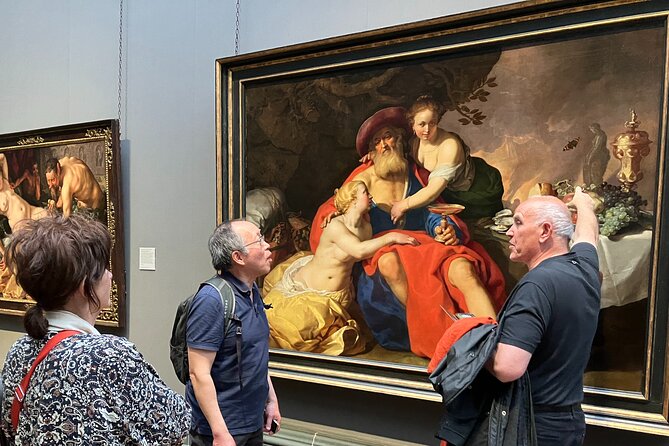
One of the more useful parts of the tour is its treatment of apocryphal material. The apocrypha refers to stories included in some Bibles but left out of others. Artists often painted these subjects because they were part of religious traditions, popular devotion, or wider storytelling, even when they were not found in every version of the Bible.
This can clear up a common source of confusion. You may see a painting that looks biblical but cannot locate the scene in your own Bible. That does not automatically mean the artist made a mistake. The subject may come from an apocryphal writing or a legend linked to a biblical person.
David’s discussion can help you separate the biblical text from later traditions. That distinction is valuable for anyone interested in how Christian stories developed across time, and it gives you a better way to read religious art without treating every image as a direct illustration of Scripture.
The tour also includes legends attributed to biblical figures. These stories can show how communities remembered and expanded on well-known characters. For some people, this will be a highlight. For others, it may feel like a step away from the Bible itself. The guide’s role is to explain the difference, not blur it.
Same base, a different kind of day:
- Stonehenge, Windsor Castle, and Bath from London
★ 4.5 · 18,662 reviews - London Big Bus Hop-On Hop-Off Tour with Optional River Cruise
★ 3.5 · 10,803 reviews - London Small Group Tour of Historical Pubs
★ 5.0 · 10,422 reviews - Stonehenge, Windsor Castle and Bath with Pub Lunch in Lacock
★ 4.5 · 7,402 reviews
Why the Small Group Size Matters
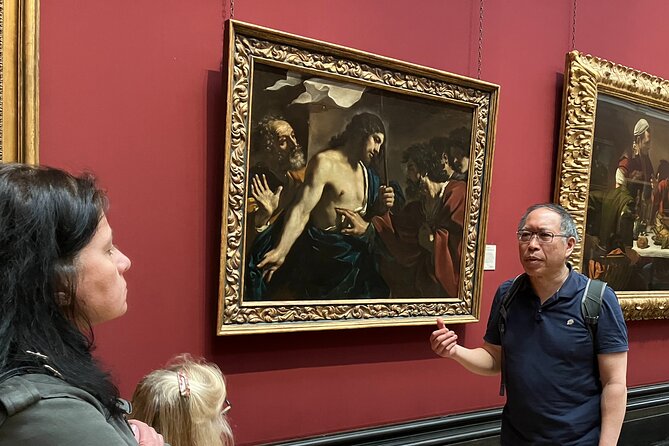
The group limit is 10 people. That is a practical advantage in a museum where rooms can be busy and paintings can attract several groups at once.
A small group gives you a better chance to hear the guide clearly and ask questions. It also suits the discussion-based format. If David asks what you notice in a painting or how you understand a scene, there is room for an actual exchange rather than a quick answer shouted over a crowd.
The size does not guarantee a private tour, and the gallery itself will not be quiet or empty. Still, 10 people is a manageable number for standing around a work of art and listening without losing the thread.
Folding stools are available on request. Ask for one ahead of time if standing for three hours may be difficult. The tour is near public transportation, service animals are allowed, and most people can take part, according to the supplied activity information.
Timing, Meeting Point, and Museum Entry
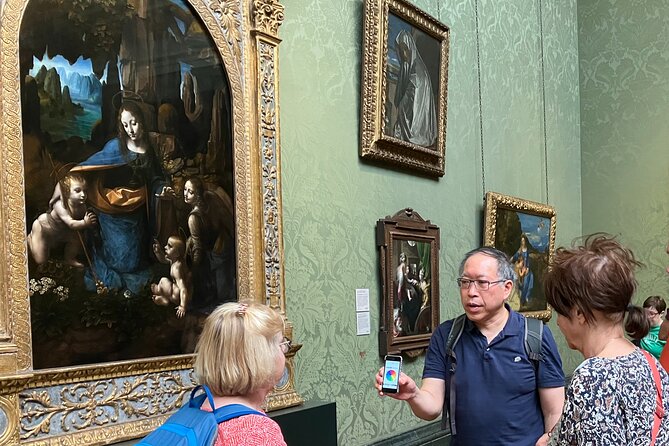
The stated start time is 1:00 pm, and the visit lasts about three hours, with the overall experience described as roughly three to four hours. It ends back at the meeting point.
The tour fee is $76.51 per person. The National Gallery itself does not charge an admission fee, but you must book a free gallery-entry ticket separately. Any time slot will suffice for the museum ticket, which keeps the booking process fairly simple, but do not confuse free museum entry with a free guided tour.
For the price, the value rests in David’s teaching and the focused subject. You are paying for a specialist-led conversation in a major collection, not for admission. If you would otherwise wander through the National Gallery on your own, ask yourself how much you value having biblical scenes selected, explained, and connected to Scripture.
The experience offers group discounts, and the mobile ticket is useful for keeping booking information on your phone. Install the Viator app because important messages may be displayed there in the proper format.
The tour is booked, on average, 39 days ahead. That does not mean you must reserve it that far in advance, but it is a useful warning if your London dates are fixed. Confirmation arrives within 48 hours, subject to availability.
What You May See Beyond the Bible
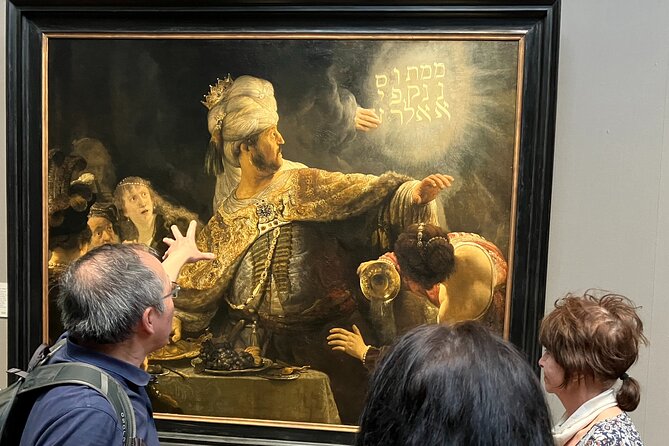
The core remains biblical art, but the tour can widen if time and interest permit. Greek myths, famous historical events, and works by Van Gogh, Monet, and Michelangelo may be included.
This is a sensible addition because the National Gallery is not only a collection of religious art. A Greek myth can be compared with a biblical story, or a later painting can show how artists handled a subject outside Christian tradition. The extra material may also suit companions who have less interest in theology.
At the same time, you should not book this expecting a complete tour of the museum. The route is shaped by the group, the paintings on display, and the discussion. If one biblical work raises a major question, David may spend time on it rather than rushing to cover a long list of rooms.
That flexible pace is one of the tour’s strengths, but it is also the reason you should keep your expectations clear. This is not a checklist experience.
Practical Advice Before You Go
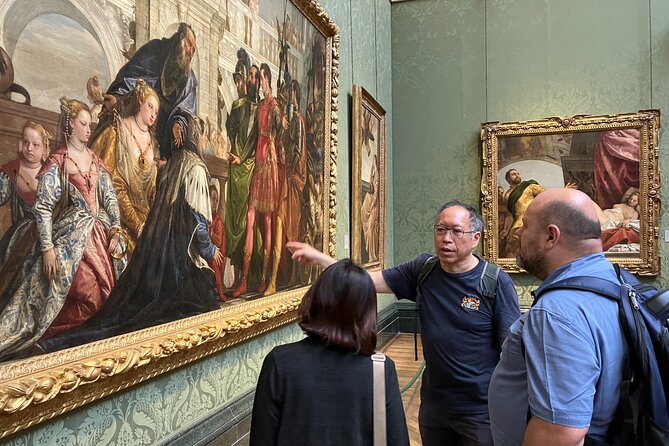
Book the free National Gallery entry ticket before arriving. You do not need a special time for the museum ticket, but you do need the ticket itself.
Meet at the George Washington statue at 44 Trafalgar Square, London WC2N 5DN. Arrive early enough to orient yourself in Trafalgar Square and avoid beginning the tour flustered.
Wear comfortable shoes. The visit lasts about three hours and includes moving through several galleries, with time spent standing in front of paintings. Request a folding stool if needed.
Bring an open mind about the difference between Scripture, church tradition, legend, and apocryphal writing. That distinction is central to the tour.
Finally, check your phone for messages in the Viator app. The activity information specifically advises installing it so you can view important details correctly.
Free cancellation is available up to 24 hours before the start time for a full refund. Cancellations or changes made less than 24 hours ahead are not accepted for a refund, and the cut-off follows London local time.
Who Should Book This National Gallery Tour?
I would choose this for a Christian visitor who wants to connect faith with serious European painting. It also suits anyone curious about how biblical stories were reshaped by artists, churches, legends, and later traditions.
You do not need formal art training. The paintings are representational, and David’s approach begins with recognizable people and events. The tour is also a good fit if you enjoy asking questions and discussing what you see.
I would hesitate if you want a broad National Gallery introduction, a purely secular art lecture, or a fast route through the museum’s biggest names. The Bible and Christian theology remain the center, even when the conversation moves to myths, portraits, or artists such as Monet and Van Gogh.
The perfect match is a curious, religiously engaged museumgoer who prefers a thoughtful conversation to a standard audio guide. The group size, folding stools, and free museum entry make the logistics manageable, while David’s energy gives the tour its character.
Should You Book It?
Book this tour if you want to see biblical art as more than decoration. David’s format links painting, Scripture, theology, and tradition, and the small group gives the discussion room to breathe.
Skip it if your main goal is to cover the National Gallery’s entire collection or avoid religious interpretation. For the right audience, the $76.51 fee buys a focused three-hour study with access to major artists and a guide who treats the paintings as living questions rather than static objects.
FAQ
Where does the tour begin?
The meeting point is the George Washington statue at 44 Trafalgar Square, London WC2N 5DN, UK.
What time does the tour start?
The tour starts at 1:00 pm.
How long does the experience last?
The museum visit lasts about three hours, while the overall experience is described as approximately three to four hours.
What does the tour cost?
The listed price is $76.51 per person.
Is National Gallery admission included?
The National Gallery provides free entry, but you must book your own free museum-entry ticket separately.
How many people can join the tour?
The activity has a maximum group size of 10 people.
Is the tour offered in English?
Yes. The tour is offered in English.
Can I request a stool?
Yes. Folding stools are available on request.
Are service animals allowed?
Yes. Service animals are allowed.
Can I cancel for a full refund?
Yes, if you cancel at least 24 hours before the experience start time. Cancellations made less than 24 hours before the start are not refunded.
Will I see every painting named in the tour description?
No specific painting can be guaranteed because works move around the museum and are taken off display regularly.
Just added in London
- The Beatles and a Secret pub★ 4.5 · 36 reviews
- The Beatles & Liverpool Magical Mystery Tour from London★ 4.5 · 80 reviews
- Airport Coach Service from Heathrow to Oxford★ 3.5 · 67 reviews
- The Beatles Magical History Black Taxi Tour London★ 5.0 · 51 reviews
- The Beatles London walking tour. From Abbey Road to the Roof Top★ 5.0 · 61 reviews
- Private The Beatles Taxi Tour in London★ 5.0 · 12 reviews
- The Beatles London Walk★ 4.5 · 120 reviews
- The Authentic London Food and History Tour★ 5.0 · 53 reviews
Museums, compared.

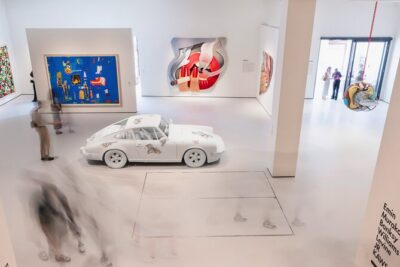
Official tickets: Moco Modern & Contemporary Art Museum
Read our review →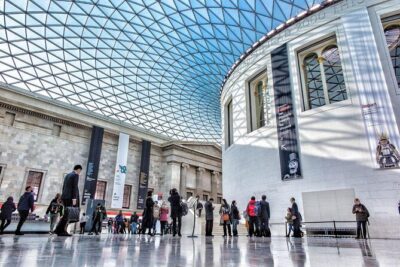
British Museum London Guided Tour Semi-Private 8ppl Max
Read our review →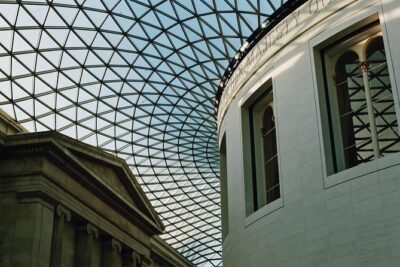
The British Museum London – Exclusive Guided Museum Tour
Read our review →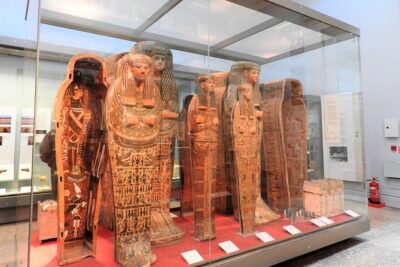


Skip the Line: Liverpool Beatles Museum – The perfect tribute to the Beatles
Read our review →
Browse the lists this tour appears in