
Reviewed · MUSEUMS
Private Highlights Tour of the British Museum
The best thing about this British Museum tour is its personal focus. Instead of marching a fixed route with a large crowd, you begin by telling your guide what interests you, then spend three hours moving through objects from Egypt, Greece, Britain, Mesopotamia, Africa, the Americas, and Asia. The guide also addresses the museum’s difficult questions of ownership and empire.
I like the chance to see major objects without trying to conquer the whole museum alone. I also like the guide’s willingness to discuss strange and unsettling pieces, from mummies to the FeeJee Mermaid, alongside famous works such as the Rosetta Stone. The main drawback is the price: $468.78 for the group is strong value for 10 people, but costly for one or two.
Key points at a glance
- A private route through world history: Your group alone takes part, with a plan shaped around your interests.
- Major objects in one visit: The route can include the Rosetta Stone, Parthenon Sculptures, Lewis Chessmen, Sutton Hoo, and Egyptian mummies.
- A guide who tackles hard questions: Expect context about controversy, collecting, and the meaning of objects, not just dates and names.
- Useful for families: Jessica has kept a group of 10 family members, including teenagers, engaged.
- Three hours is a sensible length: You get a focused introduction without trying to cover every room in the museum.
- Best value with a full group: The flat group price works out to about $46.88 per person when 10 people share it.
A private way to make sense of the British Museum
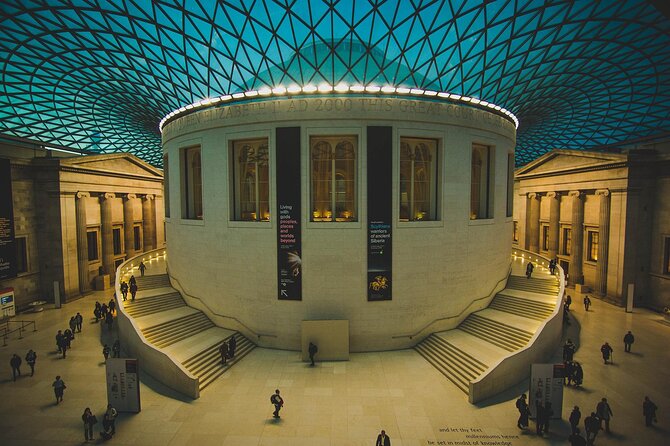
The British Museum can feel like several museums packed into one grand building. You can move from an Egyptian mummy to an Assyrian guardian, then cross continents and centuries before you have fully taken in the first room.
That scale is exciting, but it can also leave you wandering without a clear sense of what matters. This private tour solves that problem by asking what you want from the visit at the start. You might care most about ancient writing, death rituals, disputed objects, British archaeology, or the museum’s stranger holdings. Your guide can then give more time to those subjects.
You still see the major sights. The difference is that the objects are tied together with explanation. A label may tell you an object’s date and place. A guide can help you understand why it mattered, how it reached London, and what questions it raises today.
The tour is offered in English and is led by a professional guide with advanced degrees in Cultural Heritage and Museum Studies. That background matters most when the conversation moves beyond simple facts. The museum contains objects that inspire wonder, but also objects whose removal, display, or modern ownership can be debated. This experience does not avoid those subjects.
More city tours in London:
- Westminster to Greenwich Sightseeing Thames Cruise in London
★ 4.5 · 2,969 reviews - London Sightseeing Tour: Guard Change with Tower of London Option
★ 4.5 · 2,672 reviews - Hop-On Hop-Off Sightseeing River Cruise on the Thames
★ 4.0 · 1,256 reviews
Starting at Montague Place
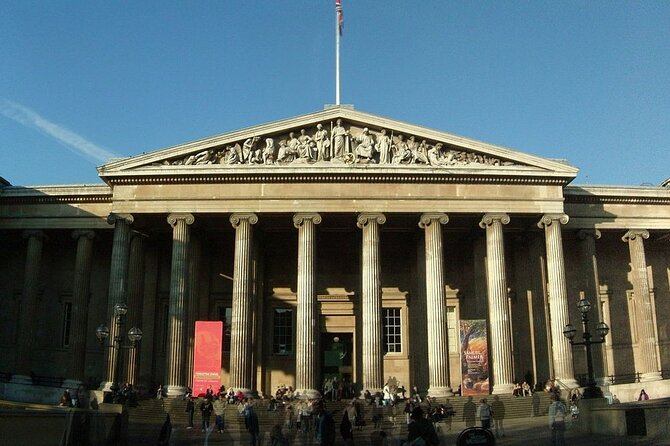
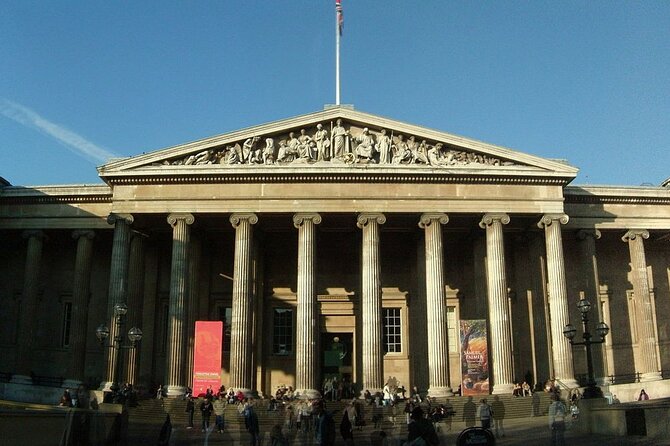
You meet at Montague Place, then enter the British Museum through a lesser-known entrance. The tour finishes inside the museum at Great Russell Street, so you do not need to return to the original meeting point at the end.
That arrangement is useful for a day of sightseeing. Once the tour ends, you are already in the museum and can continue looking around on your own. You might also use the central location as a natural starting point for the rest of your London day.
The exact path depends on your interests, so you should think about your priorities before meeting the guide. If one gallery matters greatly to you, mention it at the beginning. The experience can be fully bespoke for a particular topic or room, rather than simply following a standard script.
The museum itself offers free admission, while the private guiding service has its own cost. You receive a mobile ticket, and confirmation arrives when you book. The tour lasts about three hours, which is enough for a strong first visit but not enough to cover every corner of the building.
The Rosetta Stone and the power of writing
The Rosetta Stone is an obvious starting point for many visitors. It is famous because the same decree appears in three scripts, helping scholars understand Egyptian hieroglyphs. Its importance is not only visual. It shows how a single object can help connect languages, governments, and modern scholarship.
A guide can make this more than a quick photograph stop. You can consider how writing worked across cultures and why the ability to read ancient Egyptian changed the study of the past.
The Rosetta Stone also opens the door to the museum’s larger questions. The object was found in Egypt and later came to Britain, part of a wider story involving military power, collecting, and imperial rule. A good conversation here should include both its value to scholarship and the circumstances of its removal.
That balance is one of the strongest reasons to choose a private guide. You are free to ask direct questions instead of simply moving on when the label feels too brief.
Greece, Assyria, and the question of ownership
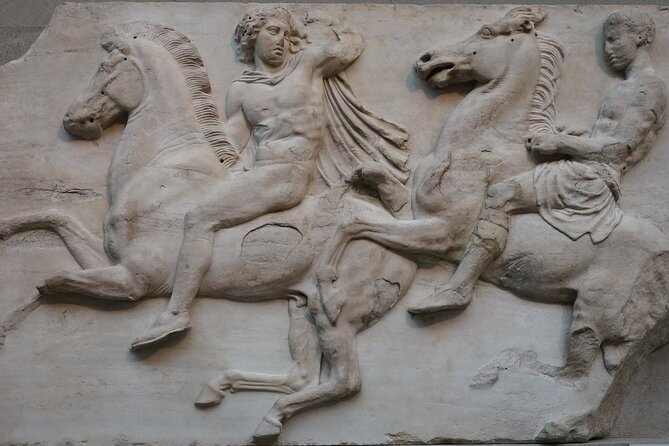
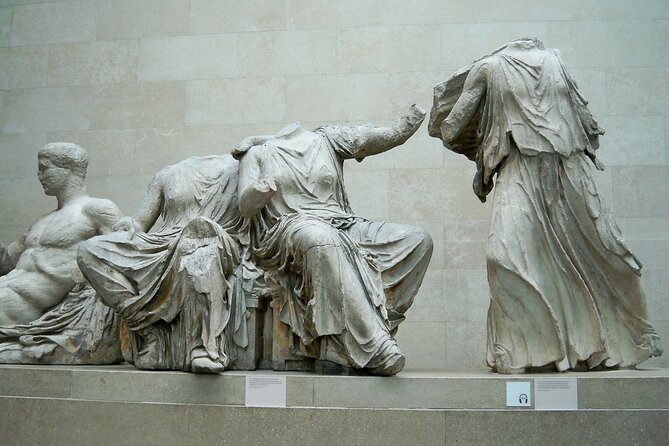
The Parthenon Sculptures, often called the Elgin Marbles, bring another major debate into the visit. These ancient works once formed part of the Parthenon in Athens. Their presence in London raises questions about acquisition, ownership, preservation, and the rights of modern nations to cultural objects from their past.
This is not a subject to rush through. If Greek art or museum ethics interests you, tell your guide at the start so the conversation can receive proper time. The private setting gives you space to ask what a crowded group visit often does not.
The Assyrian guards offer a very different visual experience. These huge protective figures once watched over royal spaces. They are impressive at close range, but their importance goes beyond size. They show how rulers used art, architecture, and symbolic creatures to project power.
Ramesses II provides another look at royal authority through ancient Egypt. Seeing these works in the same three-hour route gives you useful comparisons. You can consider how different societies presented rulers, gods, guardians, and military strength.
More museums in London:
- Chelsea FC Stadium Tours and Museum
★ 5.0 · 1,908 reviews - Official tickets: Moco Modern & Contemporary Art Museum
★ 4.5 · 1,157 reviews - British Museum London Guided Tour Semi-Private 8ppl Max
★ 5.0 · 984 reviews - The British Museum London – Exclusive Guided Museum Tour
★ 5.0 · 555 reviews
Britain through Sutton Hoo and Vindolanda
The British Museum is not only about Egypt, Greece, and Mesopotamia. Sutton Hoo brings early medieval Britain into the visit through objects connected with an Anglo-Saxon ship burial.
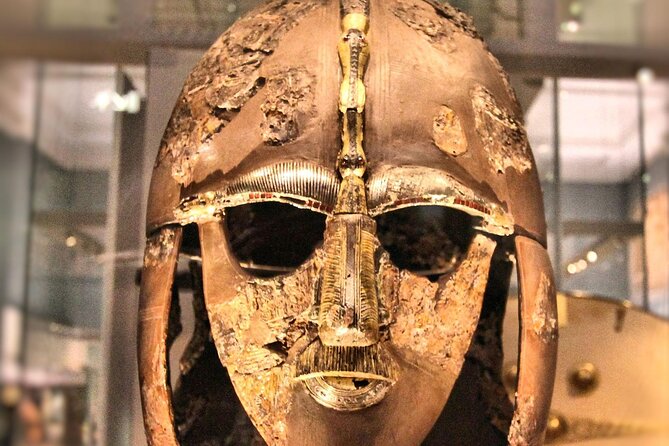
Sutton Hoo is especially helpful if you want to connect archaeology with people rather than viewing the past as a list of dates. The objects raise questions about status, travel, belief, craftsmanship, and burial customs. They also show how much can be learned from a site even when the people who created it left no written account in their own voice.
The Vindolanda Tablets take you into Roman Britain. These small wooden writing tablets preserve everyday messages and records from life near Hadrian’s Wall. Their value lies partly in their ordinary nature. They can reveal practical concerns and personal communication, giving you a more human view of Roman rule.
If you are visiting London and want some British content within a wider world tour, these two stops help anchor the experience. They also make the museum feel less like a collection of distant civilizations and more like a connected record of human lives.
The Lewis Chessmen and the Standard of Ur
The Lewis Chessmen are among the museum’s most memorable objects because they are easy to understand at a glance. These small carved figures turn a medieval game into a set of personalities. Some look stern, some anxious, and some almost comic.
A guide can help you look closely at the craft and consider what the pieces tell you about play, status, trade, and the societies that produced them. They are an ideal stop for families because the objects invite immediate reaction, including from teenagers who may not be drawn to long inscriptions.
The Standard of Ur takes you much farther back, to ancient Mesopotamia. Its decorated panels show organized society, warfare, ceremony, and daily life. The object gives a guide plenty of room to explain how images can act as historical evidence.
Together, the chess pieces and the Standard of Ur show the range of the British Museum. One stop feels intimate and familiar. The other opens a window onto a very early urban culture. That contrast keeps a three-hour visit from becoming a long run of similar displays.
Mummies, Tara, and the human side of belief
Egyptian mummies are among the museum’s most requested sights, and they can be powerful in person. They are also a reminder that you are looking at human remains, not simply decorative objects. A thoughtful guide can explain burial practice, belief, preservation, and the changing way museums have displayed the dead.
The Statue of Tara offers a different expression of religious art. It gives you a chance to compare artistic traditions and ideas about the divine across regions. The tour’s wide geographic range is useful here because you are not left with the impression that one culture’s beliefs define the whole human story.
The Aztec Double-Headed Serpent adds another striking object. Its form is immediately memorable, yet its importance comes from the materials, symbolism, and culture behind it. A guide can stop you from treating it as only an unusual sculpture and help place it within its wider setting.
The Ife Head brings West African art into the route. It is an important counter to the old habit of telling world history mainly through Europe, Egypt, and Greece. If Africa is a priority for you, say so at the start and ask for extra attention here.
The Portland Vase and the museum’s stranger corners
The Portland Vase is known for its delicate glasswork and detailed decoration. It offers a quieter pause between the larger monuments and more dramatic displays. Look closely at the technique, scale, and survival of the object, then ask your guide what makes it important beyond its beauty.
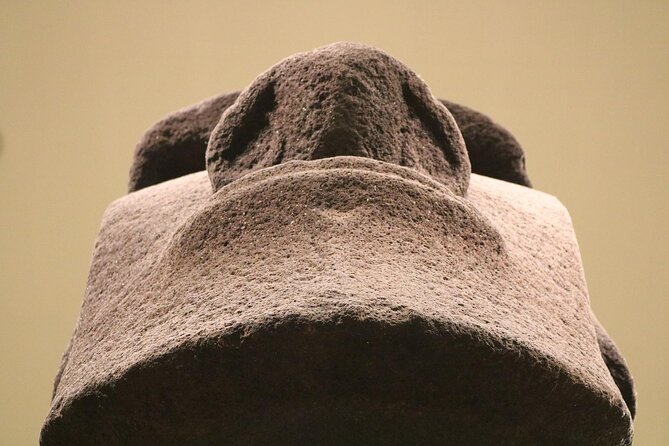
Hoa Hakananai’a, a monumental figure from Rapa Nui, brings a more difficult story of removal and display. The object is visually powerful, but its presence in London cannot be separated from the history of colonial collecting and the ongoing interest of communities connected to it.
The FeeJee Mermaid takes the visit in a stranger direction. It is a reminder that museums also preserve objects linked to hoaxes, popular curiosity, and changing ideas about what is real. This is the sort of stop that can wake up a group late in the tour, especially when the guide explains the story rather than treating it as a quick novelty.
The mix of the macabre, the beautiful, and the odd is a real strength. You are not limited to the ten most famous objects. You can ask for the pieces that make you curious, uneasy, or amused.
How the private format changes the visit
A private tour means only your group takes part. The group limit is 10 people, making this a practical choice for a family or a group of friends traveling together.
A family group can be hard to keep together in a huge museum. Jessica has guided a group of 10 relatives, including teenagers, and kept everyone engaged with stories and context. That detail gives you a useful clue about the tour’s tone: expect explanation that is accessible, but not watered down.
The private format also lets you ask questions without worrying about slowing strangers down. If your group wants more time with the Rosetta Stone or less time on Roman Britain, you can say so. The tradeoff is that the experience depends heavily on the guide’s judgment and your willingness to share your interests.
You should not book this expecting a silent audio-guide pace. The value comes from conversation, interpretation, and a route shaped around your group.
Is $468.78 good value?
The total price is $468.78 for up to 10 people. With a full group, that is about $46.88 per person for three hours of private guiding. At that rate, the tour can make good sense for a family or group that would otherwise split into several admissions or pay for separate activities.
For two people, the calculation changes. You are paying about $234.39 each, and the museum itself has free admission. That makes the tour a premium purchase rather than a budget museum visit.
I would judge the price by how much structure and conversation your group needs. If you are comfortable planning your own route and reading labels, you can visit the museum without this expense. If you want an expert to select the key objects, explain the difficult parts, and keep a mixed-age group involved, the private format has real value.
The strongest case is a full group with different interests. The guide can adjust the visit while everyone stays together, which is harder to achieve on a standard group tour.
Who should book this British Museum tour?
I would choose this experience for a first visit, a family group, history buffs, or London residents who have postponed learning the museum properly. It is also a good fit if you want to discuss ownership and colonial collecting rather than skip those subjects.
The tour may be less suitable if you want to spend a full day in one specialist gallery. Three hours gives you breadth, not exhaustive study. You should also be ready to tell the guide what you care about, since the route is designed around your interests.
Most travelers can participate, and service animals are allowed. The activity is near public transportation. It is offered in English, so you need to be comfortable following a three-hour guided discussion in that language.
Free cancellation is available up to 24 hours before the start time. Cancellations or changes made inside that window are not accepted for a refund.
Should you book it?
Book this private tour if you want the British Museum to feel organized, human, and open to hard questions. A guide such as Jessica can make a large family group feel included, while the private setup lets you focus on the objects that matter most to you.
Skip it if you are traveling alone or as a couple on a tight budget and are happy to explore without a guide. For a group of 10, though, the cost becomes much easier to justify. Tell the guide your priorities before you arrive, and you will get far more from the three hours than by simply following the crowds from one famous object to the next.
FAQ
How long is the private British Museum tour?
The tour lasts approximately three hours.
How much does the tour cost?
The price is $468.78 per group, with up to 10 people included.
Is British Museum admission included?
Entry to the British Museum is free. The tour includes guided service and entry through a lesser-known entrance.
Is the tour private?
Yes. Only your group takes part in the activity.
What language is the tour offered in?
The tour is offered in English.
Where does the tour begin?
The meeting point is Montague Place in London.
Where does the tour finish?
The tour finishes inside the British Museum on Great Russell Street.
Can the tour be customized?
Yes. The guide asks about your interests at the beginning and can create a bespoke route around a specific topic or gallery.
Which British Museum objects can you see?
The possible highlights include the Rosetta Stone, Parthenon Sculptures, Lewis Chessmen, Sutton Hoo, Vindolanda Tablets, Standard of Ur, Egyptian mummies, Aztec Double-Headed Serpent, Portland Vase, Assyrian guards, Ramesses II, Statue of Tara, Ife Head, Hoa Hakananai’a, and FeeJee Mermaid.
Can I cancel for a full refund?
Yes. You can cancel at least 24 hours before the experience start time for a full refund. Changes or cancellations made less than 24 hours before the start time are not accepted for a refund.
Just added in London
- The Beatles and a Secret pub★ 4.5 · 36 reviews
- The Beatles & Liverpool Magical Mystery Tour from London★ 4.5 · 80 reviews
- Airport Coach Service from Heathrow to Oxford★ 3.5 · 67 reviews
- The Beatles Magical History Black Taxi Tour London★ 5.0 · 51 reviews
- The Beatles London walking tour. From Abbey Road to the Roof Top★ 5.0 · 61 reviews
- Private The Beatles Taxi Tour in London★ 5.0 · 12 reviews
- The Beatles London Walk★ 4.5 · 120 reviews
- The Alfred Hitchcock London Walk with Sandra Shevey★ 5.0 · 15 reviews
Museums, compared.

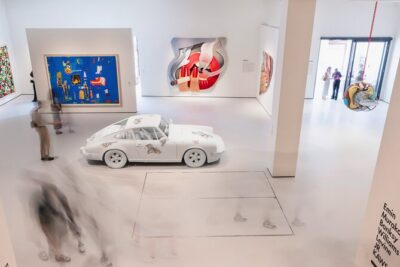
Official tickets: Moco Modern & Contemporary Art Museum
Read our review →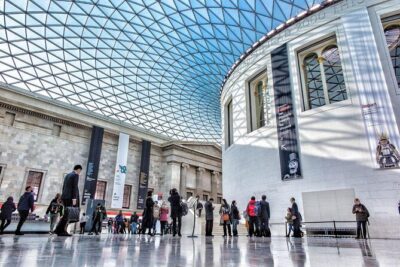
British Museum London Guided Tour Semi-Private 8ppl Max
Read our review →
The British Museum London – Exclusive Guided Museum Tour
Read our review →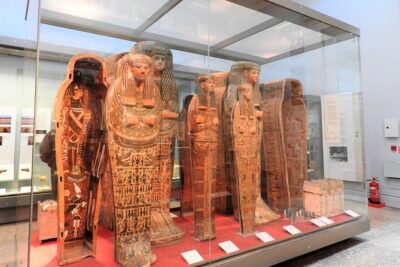

Skip the Line: Liverpool Beatles Museum – The perfect tribute to the Beatles
Read our review →
Browse the lists this tour appears in