
Reviewed · MUSEUMS
British Museum & National Gallery of London Semi-Private 8ppl Max
The best thing about this tour is its smart pairing: the British Museum gives you 6,000 years of human history, while the National Gallery shows how European painting changed from the 13th to the 19th centuries. With only eight people at most, you can ask questions and keep up with the guide instead of getting lost in two enormous museums. I especially like the focused route through the British Museum and the way guides such as Stephanie, Matilda, Becky, Jamie, and Sheldon connect paintings to the people and periods behind them.
I also like the built-in lunch break and the afternoon finish at Trafalgar Square. The main drawback is pace: two world-class museums in five and a half hours means highlights, not a full visit. You should also expect plenty of walking, and the tour is not suitable for wheelchair users or people with walking disabilities.
Key points to know before booking
- See the Rosetta Stone and Van Gogh’s Sunflowers in one day: The route links major ancient artifacts with famous European paintings.
- Small groups never exceed eight people: This gives the guide room to answer questions and adjust the pace.
- Guides bring different strengths: Stephanie, Matilda, Becky, Jamie, Sheldon, Elisha, Luis, Anthony, and others have led tours praised for strong storytelling and art knowledge.
- The British Museum gets 2.5 hours: You see major rooms and selected objects rather than trying to cover every gallery.
- The National Gallery gets another 2.5 hours: Expect a focused look at painting, technique, symbolism, and artistic change.
- Lunch is not included: You leave the museum between visits and make your own lunch arrangements.
Why this London museum combination works
London has no shortage of museums, but these two give you very different views of human achievement. The British Museum reaches across continents and thousands of years. The National Gallery narrows its focus to European paintings, but its collection still covers more than 600 years.
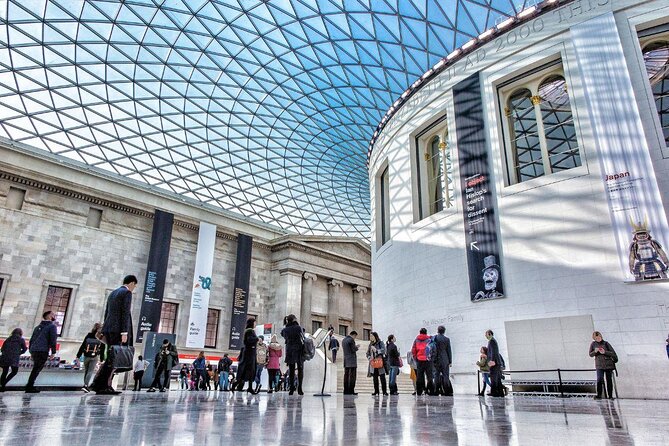
That contrast gives the day a clear shape. In the morning, you move from ancient Egypt and Assyria to medieval games and Asian armor. After lunch, you look at how artists used light, perspective, color, and human expression.
I find the guide especially useful here because both museums can overwhelm first-time visitors. The British Museum alone can feel like a city with galleries instead of streets. The National Gallery has more than 2,300 paintings, and many of its best works are not immediately obvious from the entrance.
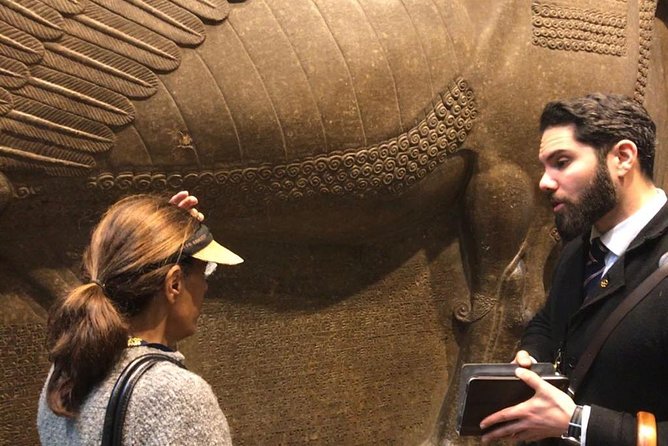
The small-group limit matters. A group of eight can gather around an object without taking over a room, and you can usually hear the explanation without standing at the back. The guide can also respond to questions, though the pace may slow if someone wants extended discussion.
This is not a museum stroll where you wander freely for hours. It is a selected route designed to help you understand the most important works quickly. For a first visit to London, that focus is useful. If you already know both museums well, you may prefer a private tour or a self-guided visit built around your own interests.
More museums in London:
- Chelsea FC Stadium Tours and Museum
★ 5.0 · 1,908 reviews - Official tickets: Moco Modern & Contemporary Art Museum
★ 4.5 · 1,157 reviews - British Museum London Guided Tour Semi-Private 8ppl Max
★ 5.0 · 984 reviews
Starting at the British Museum at 10 a.m.
The meeting point is near the British Museum at 10 a.m. The tour begins with an introduction to the museum and its wide-ranging collection. Admission tickets are listed as free, but the value of the experience comes from the guide, the route, and the explanation of what you are seeing.
The museum covers about 6,000 years of human history. That is too much to absorb in one morning, so the guide selects objects that tell larger stories about technology, religion, power, art, and daily life.
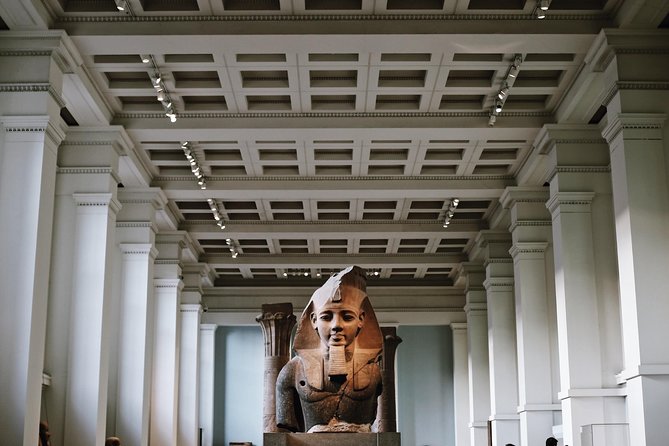
You might begin with ancient Egyptian material, including the mummy of Katebet. An object like this is more than an old burial. It opens a door onto Egyptian beliefs about death, the body, ritual, and the afterlife. A good guide helps you see those links rather than leaving you with a quick glance and a label.
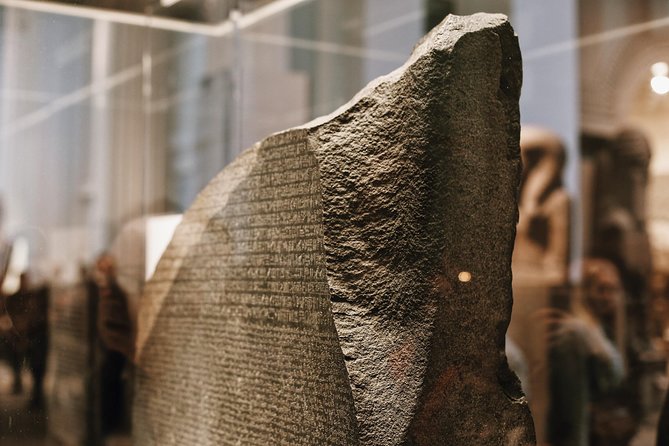
The Rosetta Stone is another major stop. It is the actual inscribed stone that helped scholars understand Egyptian hieroglyphs through its parallel texts. The museum’s crowds can gather around it, so listen carefully and allow room for other people. Seeing it in person is rewarding, but the explanation is what makes the object more than a famous name on a museum map.
The Lewis Chessmen offer a different kind of connection. These carved medieval pieces are small, expressive, and surprisingly human in appearance. They remind you that people played games, made art, and enjoyed humor long before modern Europe took shape.
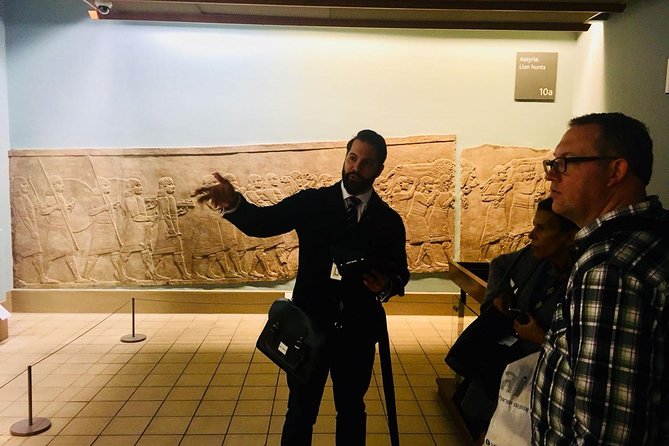
The British Museum route also includes examples such as Samurai armor and Assyrian lion-hunt reliefs from the seventh century BC. These pieces show the range of the collection. You move from personal objects to royal propaganda, then from military culture to religious practice.
The guide’s job is to keep those changes from becoming a blur. Several guides associated with this tour, including Stephanie, Jamie, Becky, Elisha, and Anthony, have been praised for making artifacts feel connected to their time and place. That approach is particularly helpful at the British Museum, where a quick visit can otherwise become a list of names and dates.
You should expect approximately two and a half hours inside. That is enough to see the main highlights and some less obvious objects, but not enough for every major section. If you have a special interest in Greek sculpture, Egyptian burial, Assyrian art, or another collection, mention it early and ask if the route can include it.
What the British Museum visit does well
The strongest part of the morning is the sense of scale. You are not simply looking at one country’s story. You are seeing evidence of many societies and the ways they shaped their worlds.
I like that the selected objects range from monumental reliefs to small game pieces. The contrast keeps the visit from feeling like a march through grand empires. The Lewis Chessmen, for example, offer a more intimate look at medieval life than a huge stone monument can provide.
The main weakness is unavoidable: you will leave with more questions than answers. A two-and-a-half-hour visit can introduce the museum, but it cannot give every civilization equal attention. Think of this stop as a guided first look. You can return later if one gallery catches your interest.
The museum is also subject to occasional closures or room changes. Some collections may vary during the year, and specific rooms can have quiet or restricted speaking rules. Your guide will explain those limits before entering.
The lunch break between two major museums
After the British Museum, you leave for a break before meeting again for the National Gallery. Lunch is at your own expense, and the tour does not include hotel pickup or drop-off.
This pause is useful. Five and a half hours of museum time and walking can be tiring, especially if you try to eat while rushing between galleries. Plan to keep lunch practical rather than turning it into a long restaurant stop, since the afternoon meeting time matters.
The tour ends at the National Gallery in Trafalgar Square, so you finish in one of central London’s most convenient areas. The starting and ending points are different, which means you should not expect to return to the British Museum at the end.
A few more things to do in London worth a look
- The Premier Classic London: Private 4-Hour Tour in a Black Cab
★ 5.0 · 2,737 reviews - Stonehenge Inner Circle Private Tour from London with Bath Visit
★ 5.0 · 1,909 reviews - Private Tour: Black Taxi Tour of London
★ 5.0 · 1,153 reviews - Private London Arrival Transfer – Airport to Hotel / Accommodation
★ 3.5 · 1,085 reviews
Entering the National Gallery for the afternoon
The National Gallery changes the subject from objects and civilizations to painting. Its collection includes more than 2,300 works from the 13th through the 19th centuries, covering artists such as Leonardo da Vinci, Botticelli, Monet, Rembrandt, Vermeer, Seurat, and Van Gogh.
The guide begins with a short orientation before taking you to selected works. This is where the tour can become more personal and interactive. Instead of only hearing dates and names, you may be asked to look closely at composition, light, gesture, color, and the relationship between the people in a scene.
Jan van Eyck’s The Arnolfini Portrait, painted in 1434, is a good example of why guided interpretation helps. You see a merchant and his wife in a domestic interior, but the details invite questions about status, wealth, marriage, objects, and symbolism. A guide can point out visual clues that you might miss while moving through the room alone.
Van Gogh’s Sunflowers offers a very different experience. Its thick paint, bright color, and energetic surface can feel immediate, but a guide can place it within the artist’s work and explain why the image has such force. The museum holds one of four sunflower paintings made by Van Gogh in 1888, according to the tour information.
Rembrandt and Vermeer allow you to compare two very different approaches to light and human presence. Seurat brings attention to color and technique. Botticelli and da Vinci place you farther back in European painting, where religious subjects, idealized figures, and new ways of presenting the human body shaped the art of the period.
The point is not to memorize every painter. It is to leave with a basic framework for looking. You learn how one period influences another, how artists solve visual problems, and how a painting can reveal the values of its time.
Guides such as Becky and Matilda have been especially praised for turning the National Gallery into an approachable lesson rather than a parade of famous names. Becky’s explanations have been described as witty and clear, while Matilda is known for combining historical context with stories that keep the works easy to remember.
Why a guide helps more at the National Gallery
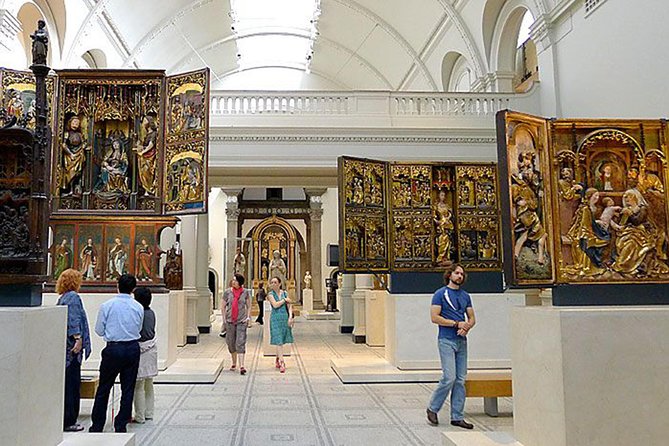
You can enter the National Gallery without paying admission and see great paintings on your own. The challenge is deciding what deserves your limited time and figuring out why one work matters beside another.
A guide gives you a route and a vocabulary. You may start noticing perspective, brushwork, symbolism, patronage, or changes in subject matter. That does not mean you need formal art training. The best explanations invite you to look first, then add context.
This approach also helps families and mixed-age groups. One review describes Matilda patiently working with children, while other guides have been praised for answering questions and encouraging people to form their own observations. The tour is a better fit if you want to understand paintings, not just photograph them.
The National Gallery can also change during renovations or room rearrangements. A strong guide can adjust the order and choose another work when a room is closed. That flexibility is valuable, but it also means the exact selection may vary.
The pace, group size, and physical demands
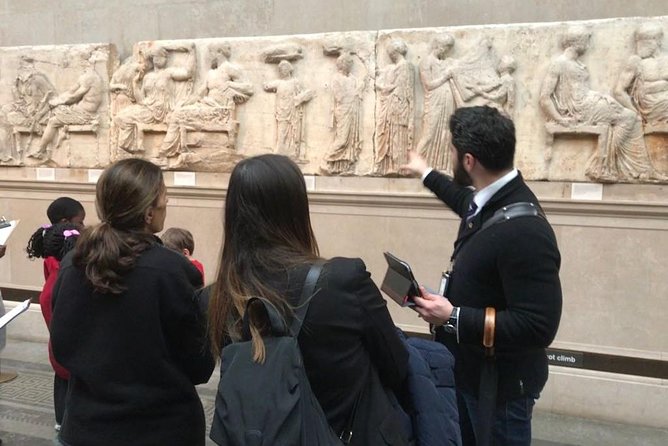
The tour lasts about five and a half hours, including lunch. Each museum receives roughly two and a half hours, so expect a steady walking pace and extended periods on your feet.
The maximum group size is eight people. That is small enough to feel personal without the price of a fully private experience. You still share the guide’s attention, but you are less likely to be separated from the group or lose the explanation in a crowd.
The tour requires a moderate level of physical fitness. It is not suitable for people with walking disabilities or those using a wheelchair. Large bags and suitcases are not allowed inside, and security checks may create short lines even when a tour is advertised with priority access.
Bring a mobile phone and make sure the provider has your number, including the country code. That contact detail is required for the booking. Wear suitable clothing for museum entry, and carry only a handbag or small, thin backpack.
Is the $201.01 price good value?
At $201.01 per person, this is not the cheapest way to see the British Museum and National Gallery. The museum admissions themselves are free, so you are paying mainly for the guide, the planning, and the small group.
For a first-time visitor with limited time, that can be good value. You avoid spending hours learning the floor plans, searching for famous works, and reading labels without a clear connection between them. The guide also helps you reach the main objects before fatigue sets in.
The price makes less sense if you prefer to wander alone, already know the museums, or want to spend a whole day in one collection. It may also feel high for children who are unlikely to manage a long, focused museum day.
A private upgrade is available for more control over pace and interests. The semi-private version is the better compromise if you want personal attention but do not need the entire guide to yourself.
Who should book this museum tour?
I would choose this for a first London visit, especially if you have one day set aside for major museums and want a clear introduction rather than an exhausting self-guided search.
It suits adults, families with older children, and anyone who enjoys history but feels less confident in art museums. It also works well for mixed groups because the British Museum offers artifacts and archaeology while the National Gallery supplies painting and visual analysis.
I would not choose it if you want long stretches of quiet, unplanned viewing. You also need to accept that temporary exhibitions are not included and that rooms or collections can change.
Should you book it?
Book this tour if you want the main British Museum and National Gallery highlights explained by a guide in a group capped at eight. The strongest reasons are the efficient route, the range of objects, and the chance to learn how to look at paintings rather than simply identify famous artists.
Skip it if you have serious mobility limits, dislike walking, or prefer to spend several hours on one narrow subject. If you do book, keep lunch short, bring a small bag, arrive ready to walk, and ask early about any special interest. The tour gives you a useful first map of two huge museums, and you can return later to explore the rooms that caught your attention.
FAQ
How long does the British Museum and National Gallery tour last?
The experience lasts approximately five and a half hours, including a lunch break.
What time does the tour start?
The tour begins at 10 a.m. near the British Museum.
Where does the tour end?
The tour ends at the National Gallery in Trafalgar Square, London.
How many people can join the semi-private tour?
The group has a maximum of eight travelers. At least two participants are required for the tour to operate.
Is lunch included in the price?
No. The tour includes a break for lunch, but lunch is at your own expense.
Are museum admission tickets included?
The itinerary lists admission tickets as free for both the British Museum and National Gallery. Temporary exhibitions are not included.
Is the tour suitable for wheelchair users?
No. The tour is not available for people with walking disabilities or those using a wheelchair, and it requires a moderate level of physical fitness.
Can I cancel for a full refund?
Yes. You can cancel up to 24 hours before the local start time for a full refund. Cancellations or changes made less than 24 hours before the start time are not refunded.
Just added in London
- Private London Departure Transfer – Hotel / Accommodation to Cruise Port★ 4.5 · 77 reviews
- Private landmarks photoshoot for families and couples★ 5.0 · 92 reviews
- Professional Photoshoot in London Photographer★ 5.0 · 102 reviews
- Private Tour: Night Photography Tour in London★ 5.0 · 48 reviews
- Professional Private Photoshoot in London★ 5.0 · 63 reviews
- Shoreditch Street Art and Graffiti Tour (Private Group Booking)★ 5.0 · 108 reviews
- Transfer London to Southampton Cruise Terminal (extra luggage)★ 4.5 · 81 reviews
- London, Windsor Castle, Hampton Court Palace with Free Snack Pack★ 4.0 · 102 reviews
Museums, compared.

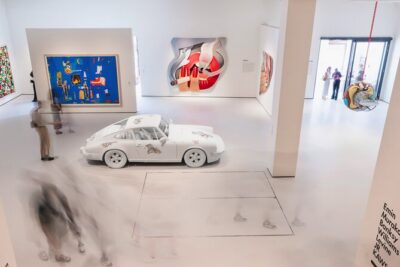
Official tickets: Moco Modern & Contemporary Art Museum
Read our review →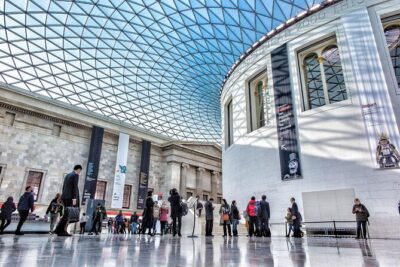
British Museum London Guided Tour Semi-Private 8ppl Max
Read our review →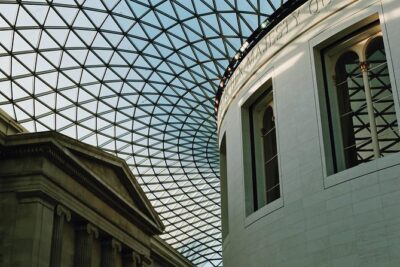
The British Museum London – Exclusive Guided Museum Tour
Read our review →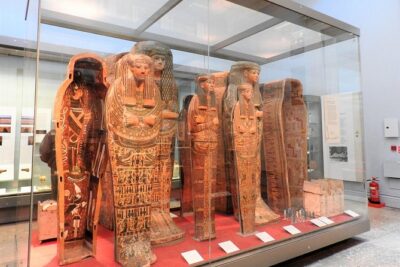

Skip the Line: Liverpool Beatles Museum – The perfect tribute to the Beatles
Read our review →
Browse the lists this tour appears in