
Reviewed · WALKING TOURS
Discovering Birmingham 2 hour Walking Tour to the Jewellery Quarter
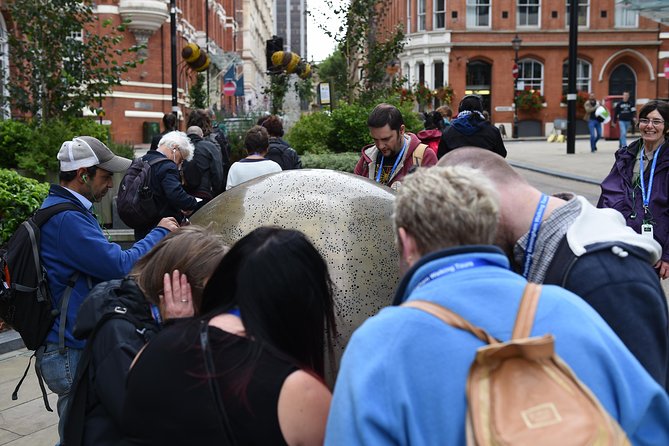
Birmingham’s best stories often sit just beyond the main shopping streets. This walk slips through backstreets and a little-used canal route on the way to the Jewellery Quarter, then links old churches, grand squares, post-war planning, and new city projects. It gives you a useful first look at how Birmingham grew and how it is changing.
I like the route for two clear reasons. First, it takes you into places a coach cannot reach. Second, guides such as Jonathan Berg add objects, jokes, and local stories rather than simply reciting dates. The main drawback is the group size, which can reach 40, and the tour runs in all weather, so rain or icy conditions may affect your comfort and the route.
Key points to know before you book
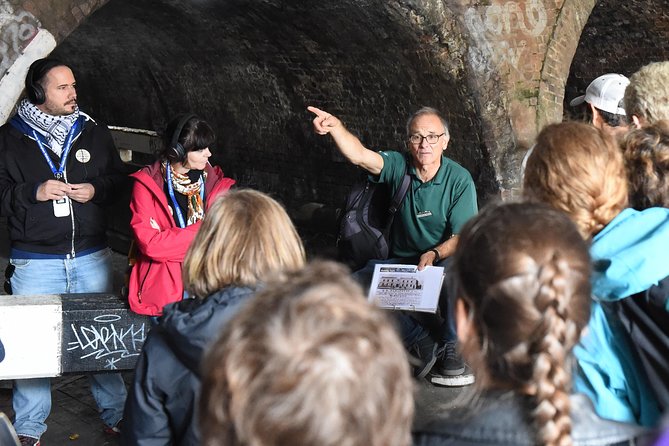
- A secret canal approach: You enter the Jewellery Quarter by a route that even many Birmingham residents have not used.
- A city story in two hours: The walk connects Georgian industry, cathedral architecture, post-war roads, and modern redevelopment.
- Guides with personality: Jonathan Berg is known for witty storytelling and bringing historical objects as props. Bernard, Ann, and Maria also lead tours.
- Good value at $20.80: There are no extra entry fees, and the tour includes a loaned audio receiver.
- A central start and finish: Meet at the Library of Birmingham in Centenary Square at 1:30 pm, then return there.
- Prepare for outdoor conditions: Bring a coat or umbrella. A moderate level of fitness is needed, and the route may change in icy weather.
Why this Birmingham walk works so well
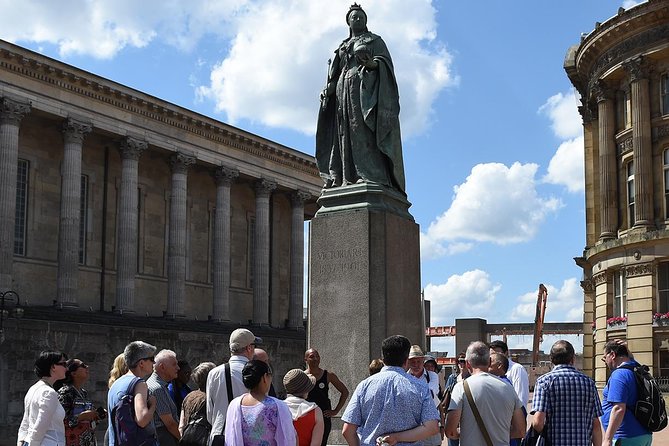
This is not a checklist of Birmingham’s main buildings. It is a short lesson in how the city fits together. You begin in Centenary Square, cross toward the Jewellery Quarter, return through central Birmingham, and finish among the major civic squares.
That shape matters. You get a sense of Birmingham as a working city, not just a collection of handsome façades. Industry, canals, churches, roads, redevelopment, and public space all appear within a compact route.
I especially like the use of the Jewellery Quarter as the middle section. Its story reaches back to Georgian times, when different trades and businesses developed there. You also see how the area is finding a place in present-day Birmingham. That gives the walk a useful balance between old buildings and current change.
The guides make a difference. Jonathan Berg brings props and historical objects, which can turn an ordinary street corner into a small open-air museum. His style is light and witty, but the subject matter remains serious enough to help you understand the city.
The audio receiver is another practical advantage. With as many as 40 people, it can be hard to hear a guide in a city center. The receiver lets you keep some distance while still following the commentary.
More walking tours in England:
- Birmingham Walking Tour: Canals, Victorians & Today (1:30pm)
★ 5.0 · 346 reviews - Birmingham Slogging Gangs Walking Tour with Edward Shelby
★ 4.5 · 306 reviews - Birmingham City Centre Daily Walking Tour (10:30am & 2pm)
★ 5.0 · 265 reviews
Starting at Centenary Square and the Library of Birmingham
Meet at the Library of Birmingham in Centenary Square at 1:30 pm. This is an easy place to find in the city center, and the square itself becomes the first part of the tour rather than just a meeting point.
You spend about 20 minutes here, looking at the square and nearby features. The guide uses what you can see to introduce Birmingham’s development. That is a smart beginning because you get the broad outline before moving into smaller lanes and less obvious places.
Centenary Square also sets up one of the tour’s main themes: the city is continually being rebuilt. You begin in a modern civic space, then move toward older industrial districts, before returning to recently renewed squares later in the walk.
Do not expect a long museum visit at this point. The focus is on the outdoor setting and the stories attached to it. I would arrive a little early so you can locate the library, settle in, and be ready for the 1:30 start.
Taking the canal route into the Jewellery Quarter
The move into the Jewellery Quarter is the most distinctive part of the walk. Rather than taking a broad road, the group enters by a lesser-used canal route. It is described as a route even local people often miss, which gives this section a sense of discovery without requiring a special ticket or detour.
You spend around 30 minutes learning how the Jewellery Quarter developed from Georgian times. The guide explains the different kinds of business that grew there and how the district operated as part of Birmingham’s working economy.
This is where the tour becomes particularly useful for first-time visitors. A casual walk through the area might show you attractive buildings, workshops, canals, and newer development, but it would not necessarily explain how those pieces connect. The guide supplies that link.
You also look at the Jewellery Quarter as it exists today. The area is not treated as a frozen historic district. The commentary considers how modern businesses and new projects are taking their place among older structures.
The canal route has one practical limitation. It is an outdoor passage, and Birmingham weather can change quickly. The operator tries to continue in poor weather, so bring a proper coat or umbrella. In icy conditions, the route may be adapted.
Seeing the Georgian church from the outside
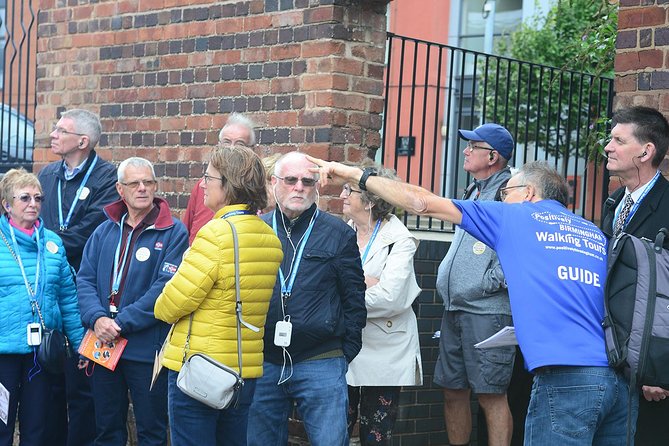
The walk pauses at the church known locally through its connection with the Jewellery Quarter. You view the exterior of this 1779 Georgian building and consider its place in the district.
The stop is short, but it adds architectural variety. After hearing about industry and canals, you get a reminder that the quarter also developed around community life and formal civic buildings.
There is no separate church entry required. The supplied information specifies an exterior view, so you should not book this walk expecting a full interior visit here. The value comes from the building’s date, design, and connection to the surrounding quarter.
Same base, a different kind of day:
- Stonehenge, Windsor Castle, and Bath from London
★ 4.5 · 18,662 reviews - London Big Bus Hop-On Hop-Off Tour with Optional River Cruise
★ 3.5 · 10,803 reviews - London Small Group Tour of Historical Pubs
★ 5.0 · 10,422 reviews - Beatles Magical Mystery Tour
★ 5.0 · 9,266 reviews
Birmingham Cathedral and the Burne-Jones glass
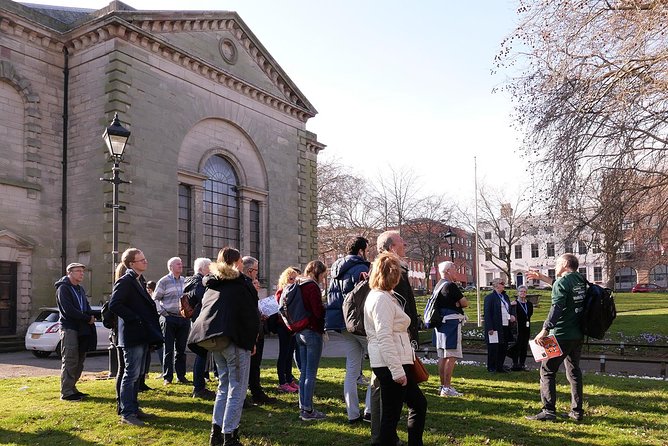
The route then reaches Birmingham Cathedral, also known as St Philip’s Cathedral. This English Baroque building is viewed as part of the city-center walk.
The planned stop is about five minutes, so this is an introduction rather than a full cathedral visit. On some occasions, if time allows and no conflicting event is taking place, the group may go inside to see the Edward Burne-Jones stained glass.
That possibility is worth treating as a bonus, not a guarantee. If entering the cathedral matters to you, check the conditions on the day and allow time to return independently if the group stays outside.
The cathedral also helps show how Birmingham’s city center changed around older landmarks. The walk does not isolate architecture from urban planning. Instead, it places the building within the streets and squares that grew around it.
St Chad’s and the cost of car-first planning

One of the more thoughtful parts of the route is the view of St Chad’s from the inner ring road. The guide uses this point to discuss post-war redevelopment and the period when the car shaped city planning.
You are encouraged to consider for yourself whether Birmingham’s redevelopment was carefully planned. That open approach is valuable. The tour does not simply tell you what to think. It gives you a physical example, then asks you to look at the results.
This stop may be less visually polished than the cathedral or the squares. That is part of its purpose. Birmingham’s story includes awkward roads, disrupted connections, and decisions that made sense to planners at one time but can feel less successful now.
You should also expect some walking beside active city roads during this portion. The tour is urban from start to finish, not a quiet village stroll.
Returning through Victoria Square
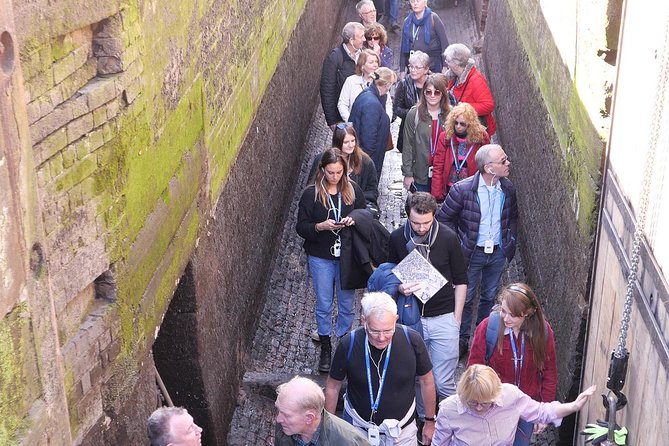
After St Chad’s and the central sights, the route turns back toward the Library of Birmingham through several important squares. Victoria Square is the main stop, with roughly 10 minutes set aside for it.
By this point, the square works as a piece of the larger story. You have seen industrial streets, a canal route, religious buildings, and road infrastructure. Victoria Square brings you back to Birmingham’s formal civic center.
You also see St Philip’s Cathedral and other central buildings along the way. The short timing means the guide must keep the group moving, but the benefit is a broad sweep of the city rather than a long pause at just one attraction.
If you want detailed interior visits to the cathedral or other buildings, this is not the right format. If you want to understand how the main areas connect, the pace is more suitable.
Chamberlain Square and Birmingham’s next chapter
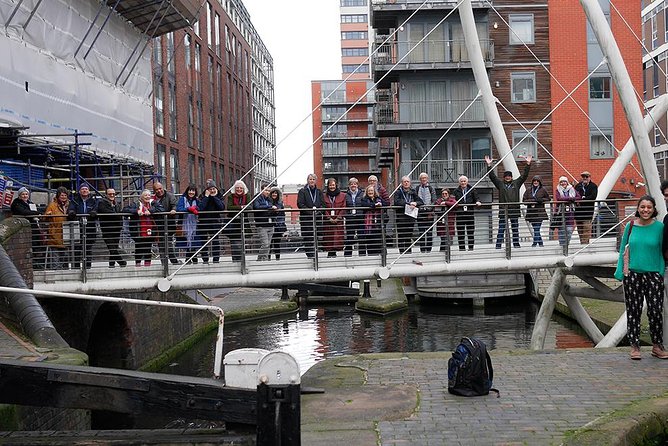
The final named stop is Chamberlain Square, where you spend about five minutes. The square has been renovated, and the guide uses it to explain how Birmingham is reconfiguring itself for the future.
This ending brings the tour back to its opening theme of change. You begin in Centenary Square, see older parts of the city and the consequences of past planning, then finish in another renewed public space.
The stop is brief, but it gives you a useful lens for the rest of your time in Birmingham. As you explore later, you can look for the meeting point between preserved buildings, new construction, public art, and redesigned streets.
The activity ends back at the meeting point. That is convenient if you have another central attraction booked afterward, though you should leave a little spare time because a walking tour can run close to its advertised two-hour length.
What you get for $20.80
At $20.80 per person, this is a strong-value introduction to central Birmingham. You receive a two-hour guided walk, local commentary, and a loaned audio receiver. There are no entry tickets to add, since the experience is built around outdoor viewing and walking.
The value is greatest if you want context. You could walk through Centenary Square, the Jewellery Quarter, Victoria Square, and Chamberlain Square alone, but you would miss the connections between them. The guide turns separate places into one readable city story.
The price is less compelling if you want long interior visits or a small private group. The tour can include up to 40 people, and the main cathedral stop is only about five minutes. You are paying for interpretation, access to less obvious routes, and a structured overview, not for admission to major attractions.
The audio receiver helps offset the group size. You can hear the guide from a little distance, which is useful when the pavement is busy or the group spreads out.
The guide’s style and the local touch
The strongest feature here is the human delivery. Jonathan Berg is associated with witty explanations, local affection, and physical props. His bag of objects has been described as a museum on the streets, which gives you a sense of how he uses things you can see and handle to bring the past closer.
Bernard also brings humor to the walk, a useful quality when the weather turns wet. Ann and Maria lead tours as well, and the experience is designed around guides who know Birmingham personally rather than a recorded script.
The mix of humor and information is important. A city walk can become a list of dates, especially when it covers architecture, industry, and planning in only two hours. Stories, objects, and questions help keep the pace lively.
The tone also seems to suit local residents. If you have lived in Birmingham for years, you may still find streets, bridges, or buildings you have passed without noticing. That makes the tour a good staycation choice as well as a first-day activity for someone visiting from elsewhere.
Who should book this walk?
I would choose this tour early in a Birmingham visit. It gives you a map in your head, points out areas worth revisiting, and helps you understand why the city center looks the way it does.
It suits you best if you:
- Enjoy walking tours with local stories and conversation
- Want to see Birmingham beyond the main shopping streets
- Like architecture, canals, industry, churches, and city planning
- Prefer outdoor sightseeing to a long museum visit
- Want a central activity lasting about two hours
- Are comfortable walking at a moderate level in changing weather
It may not suit you if you need step-free certainty throughout the entire route, since the information only confirms a moderate fitness level and an urban walking format. Service animals are allowed, and the tour is near public transport.
Families and older walkers should consider the weather, the group size, and the amount of standing. The operator may adapt the route in icy conditions, but rain does not normally stop the tour.
Booking and cancellation details
The activity is offered in English, with a mobile ticket and confirmation at the time of booking. It is commonly booked about 21 days ahead, so reserving in advance is sensible if your schedule is fixed.
Free cancellation is available up to 24 hours before the local start time. Changes or cancellations made inside that 24-hour window are not accepted for a refund.
Should you book Discovering Birmingham?
Yes, if you want an affordable, story-led introduction to the city rather than a parade of famous façades. The secret canal approach, the Jewellery Quarter’s working past, the Georgian church, cathedral architecture, St Chad’s view, and the renewed civic squares make a well-shaped two-hour route.
I would book it for the first or second day of a Birmingham stay, when the city still feels unfamiliar. Local residents should consider it too, especially if you want to see familiar streets with fresh context.
Just bring sensible shoes, waterproof clothing, and realistic expectations about the format. This is a group walk with short stops, limited interior access, and a route that may change in difficult weather. At $20.80, the combination of local guides, unusual paths, city planning insight, and no extra admission costs makes it an easy recommendation for most curious walkers.
FAQ
How long does the Birmingham walking tour last?
The tour lasts approximately two hours.
Where does the tour start?
It starts at the Library of Birmingham in Centenary Square, Birmingham B1 2ND, UK.
What time does the tour begin?
The stated start time is 1:30 pm.
Where does the tour finish?
The activity ends back at the meeting point at the Library of Birmingham.
What language is the tour offered in?
The tour is offered in English.
Is the Jewellery Quarter included?
Yes. The route enters the Jewellery Quarter by a lesser-used canal route and covers its development from Georgian times to its role in modern Birmingham.
Are admission tickets needed?
No entry tickets are required for the tour. The activity is based mainly on outdoor sightseeing, though the group may sometimes enter Birmingham Cathedral if time allows and no event conflicts.
Can I go inside Birmingham Cathedral?
Sometimes, if there is enough time and no conflicting event. You may see the Edward Burne-Jones stained glass, but interior access is not guaranteed.
How many people can join the tour?
The maximum group size is 40 people.
What happens if it rains or the route is icy?
The operator tries not to cancel for adverse weather, so bring a suitable coat or umbrella. In icy conditions, the route may be adapted.
Is the tour suitable for service animals?
Yes, service animals are allowed.
How far in advance can I cancel?
You can cancel up to 24 hours before the experience start time for a full refund. Cancellations or changes made less than 24 hours in advance are not accepted.
Just added in England
- Exceptional Bath tour guide making your visit splendidly memorable.★ 4.5 · 69 reviews
- Full-Day Private Tour of Stonehenge and Bath with Pickup★ 5.0 · 6 reviews
- One Way or Round Trip Private Transfer: Heathrow Airport to Bath★ 5.0 · 3 reviews
- Quintessential Cotswolds Half-Day tour from Bath (for 2-8 guests)★ 5.0 · 27 reviews
- Stonehenge Half-Day luxury guided tour from Bath for 2-8★ 5.0 · 15 reviews
- Private Guided Tour of Jane Austen’s Bath★ 5.0 · 7 reviews
- Cotswolds and Oxford Small-Group Tour from Bath★ 5.0 · 51 reviews
- British Wine and Cheese Tasting Experience in City of Bath★ 5.0 · 18 reviews
Walking Tours, compared.
Oxford University Walking Tour With University Alumni Guide
Read our review →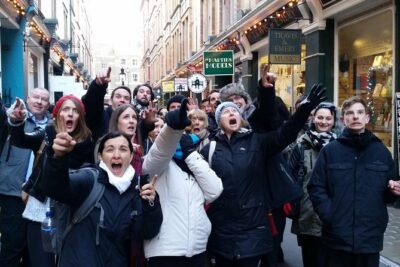
Tour for Muggles The Ultimate Harry Potter Walking Tour in London
Read our review →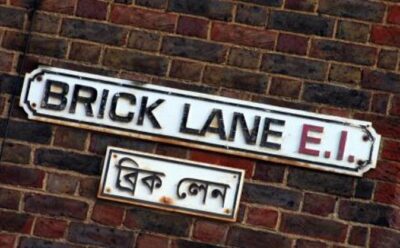
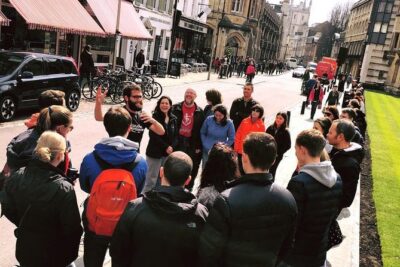
Cambridge University Walking Tour by Alumni™ Kings College Option
Read our review →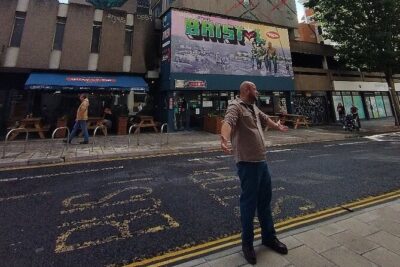
Blackbeard to Banksy – The Ultimate Walking Tour of Bristol
Read our review →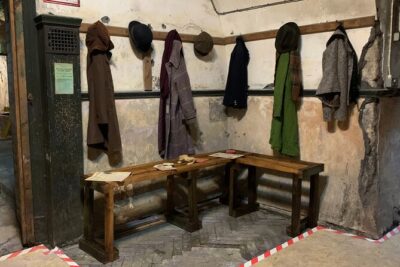
Air Raid Shelter + St. Nicholas Market Walking Tour
Read our review →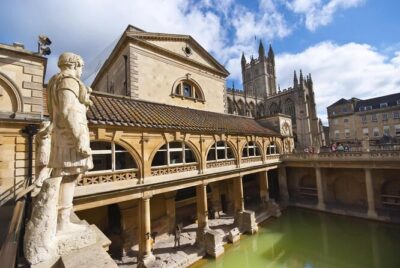
Walking Tour of Bath with Blue Badge Tourist Guide
Read our review →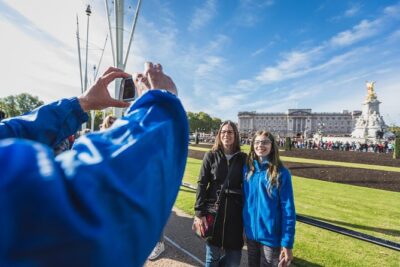
Changing of the Guard Guided Walking Tour in London
Read our review →Browse the lists this tour appears in