
Reviewed · SELF-GUIDED TOURS
Western Approaches Self Guided Tour
Beneath Liverpool’s city centre sits a wartime bunker where commanders, WRNS, and WAAF personnel tracked ships and hunted enemy submarines across the Atlantic. At the Western Approaches HQ Museum, you walk through the actual rooms used during the Second World War, including the Map Room left as it was in August 1945.
I like two things right away: the freedom to explore at your own pace, and the annual pass that lets you return free for 12 months. You can linger over the charts, try the old office equipment, and return later without paying again. The main drawback is that the museum relies heavily on written displays, so anyone looking for a highly interactive presentation may find parts of it quiet and text-heavy.
Key points to know before you go
- The Map Room remains the star attraction: Its large plotting table and wartime charts show how Liverpool helped direct the Battle of the Atlantic.
- You enter a real underground command centre: Corridors, offices, telephones, desks, and the telephone exchange help you picture daily work inside the bunker.
- It is fully self-guided: There is no fixed group pace, so you can spend extra time with the displays that interest you most.
- The annual pass adds value: Your ticket includes free return admission for 12 months.
- Plan for at least 90 minutes: The advertised visit takes about one to two hours, and it is easy to stay longer if you read everything.
- Expect stairs into the bunker: The entrance is at street level, but the museum itself is below ground.
Why Liverpool mattered in the Battle of the Atlantic
The Western Approaches were the sea routes leading toward Britain from the Atlantic. During the war, those routes carried food, fuel, weapons, and other supplies. Enemy submarines tried to cut them, while Allied forces worked to keep ships moving.
Liverpool was a vital port, so the city needed a command centre that could follow the movement of convoys and direct the response to enemy attacks. The bunker was built beneath the city centre for secrecy and protection. From here, information gathered from ships and military units was brought together, checked, and passed to the people who needed it.
That may sound like a simple office task. It was not. A wrong position on a chart could send a naval vessel toward danger or delay help for a convoy under attack. The museum helps you understand that the Battle of the Atlantic was fought not only at sea, but also at desks, telephones, plotting tables, and teleprinter machines.
This is one reason I find the museum worthwhile. It shows the war as a huge daily system of information and decisions. The people in the bunker were not simply waiting for news. They were constantly sorting it, marking it, and acting on it.
More self-guided tours in Liverpool:
- Westminster Abbey Entrance Ticket Including Audio Guide
★ 4.0 · 661 reviews - Golden Tours York Hop-on Hop-off Open Top Bus Tour with Audio Guide
★ 4.5 · 468 reviews - Windsor Castle Tour from London with Transportation & Audio Guide
★ 3.5 · 222 reviews
Finding the entrance near Liverpool Town Hall
The museum is close to Liverpool Town Hall and about a five-minute walk from Albert Dock. That makes it easy to combine with a day around the waterfront, though the entrance can be easy to miss. Liverpool’s street signs are not always as helpful as they should be, so allow a little extra time to find the correct doorway.
You begin at street level, where admission is handled. From there, you take steps down into the bunker. The underground setting is part of the character, but it also means you should think about your mobility before booking. A moderate level of physical fitness is advised, and there are steps into the museum. Service animals are allowed, and the site is near public transportation.
The museum is open daily from 10 a.m. to 6 p.m. The flexible opening hours make it a useful stop before or after the Albert Dock museums, Liverpool Town Hall, or the city centre shops.
The opening film sets the scene
The visit begins with a short film about the Battle of the Atlantic. It gives you the basic story before you enter the rooms, which is helpful if your knowledge of the campaign is limited.
I recommend paying attention here rather than rushing onward. The bunker contains a lot of information, and the film gives you a simple framework for understanding what comes next. Once you know that the command centre was tracking convoy routes, enemy positions, and shipping lines, the maps and office displays have more meaning.
The presentation is not built around constant sound, motion, or special effects. That will suit you if you prefer to read and examine original settings. If you want a museum that guides you from scene to scene with frequent audio and video, you may find the opening section and some later rooms less lively.
Walking through the underground rooms
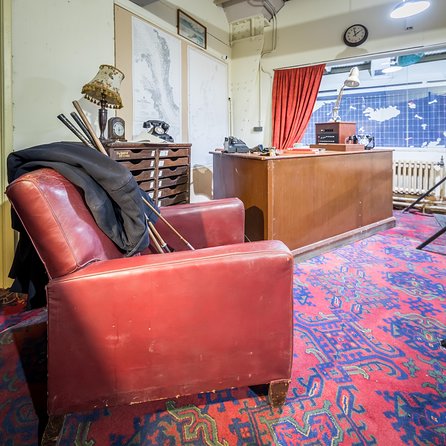
The route leads through roughly a dozen rooms covering different parts of wartime work. Corridors and tunnel-like passages connect offices and operational areas. The bunker itself is a major part of the experience, since you are walking through the same kind of restricted working space used by the wartime staff.
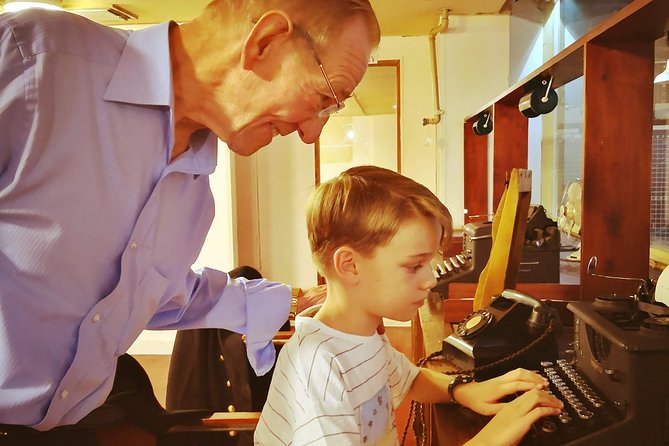
You can see desks, office tools, the telephone exchange, and equipment used to handle information. Typewriters and teleprinter machines give the place a practical feel. You can sit at desks, try some of the equipment, and look at uniforms connected with the people who worked there.
These details help the museum move beyond military leaders and battle dates. The work depended on many people, including the women of the WRNS and WAAF. Their roles were part of the daily operation of the command centre, and the displays make their contribution easier to picture.
A dedicated WRNS display is an unexpected feature and worth slowing down for. It adds a human side to the bunker, showing that the war effort depended on trained staff working long hours in a controlled and secretive environment.
A few more things to do in Liverpool worth a look
- Private 3-Hour Guided Beatles Classic Tour of Liverpool
★ 5.0 · 1,074 reviews - Beatles Famous Walking Tour Of Liverpool- Fully Guided
★ 5.0 · 751 reviews - Best Of Liverpool Heritage, History & Culture Guided Walking Tour
★ 5.0 · 539 reviews - History Guided Tour of Liverpool and the Beatles
★ 5.0 · 408 reviews
The preserved Map Room
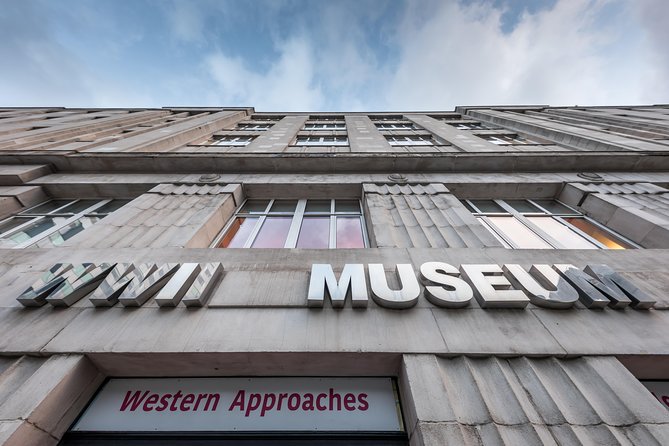
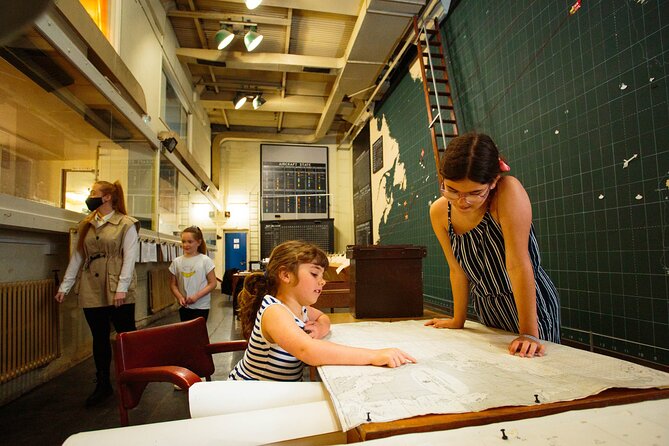
The Map Room is the central reason to visit. It was the nerve centre of the bunker, where staff monitored convoy routes and marked the positions of ships and enemy forces. The huge map table and surrounding working space show how much information had to be managed at once.
The room has been preserved as it was when the bunker closed on August 15, 1945. That gives it a rare sense of interruption, as if the staff have only just stepped away. The long ladders, maps, and large working surfaces help you picture the physical effort involved in maintaining the display.
Accuracy was essential. The people working here had to place information in the right spot and keep it current. The purpose was not simply to record events, but to help the Royal Navy find and attack enemy forces while protecting Allied shipping.
This is also where the museum’s quiet presentation works best. You need time to look closely. Maps can be difficult to understand at a glance, and a careful reader will get more from the room than someone who simply walks through for a quick photograph.
One limitation is that some of the maps and battle information do not have as much audio or interactive explanation as they might. An audio guide or more active display could make the plotting work easier to follow. For now, you will need to read the material and use the introductory film as your guide.
Wartime telephones, documents, and secret messages
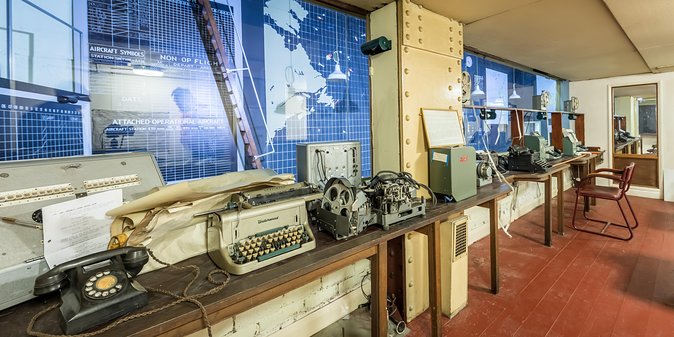
The bunker contains documents and tools used to monitor enemy convoys and report findings to the British government. One particularly unusual object is one of only two surviving wartime telephones with a direct connection to the War Cabinet in London.
That telephone is a small object, but it carries a lot of weight. It reminds you that information from this underground office could reach the highest level of the British government. The bunker was not an ordinary local control room. It was part of a national system handling military secrets.
You will also see communications equipment and the telephone exchange. Teleprinter machines, typewriters, and desks show how much work happened before digital screens and instant messages. The displays are strongest when you pause to consider the people behind them: staff receiving information, checking it, recording it, and sending it onward.
A hands-on stop for families and curious adults
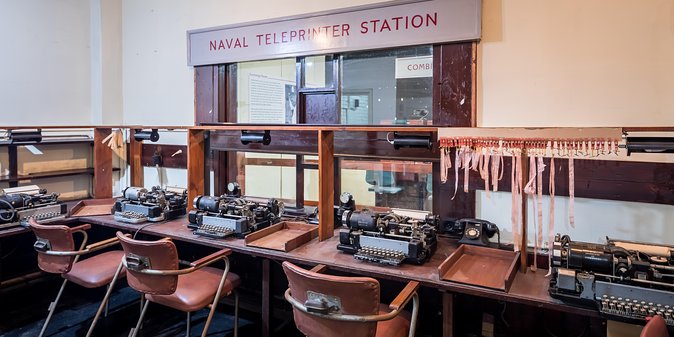
The self-guided format gives you more freedom than a fixed tour. You can sit at desks, handle typewriters, try teleprinter machines, and look at uniforms. These touches are useful for families because they break up the reading and give younger visitors something concrete to do.
Children who already enjoy military history may get a lot from the bunker. The scale of the rooms, the underground setting, and the old equipment make the visit more memorable than a row of glass cases. Still, much of the museum depends on written explanations, so younger children may need help from an adult.
Adults will find the hands-on details useful too. I like the way they turn abstract information into something physical. It is one thing to read that wartime staff worked around the clock. It is another to sit at a desk and see the limited tools available to them.
Finishing with wartime Liverpool
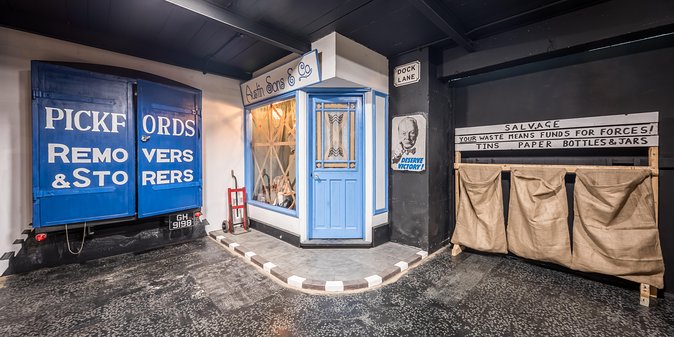
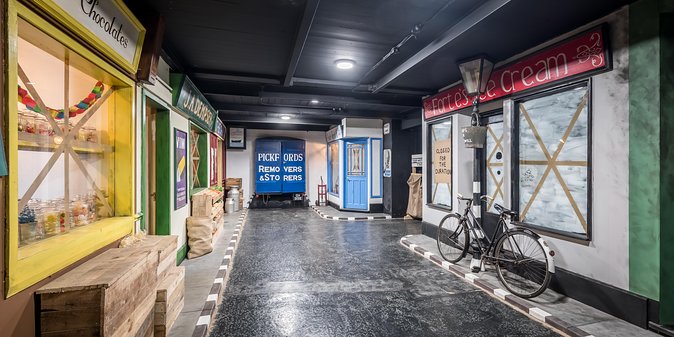
At the end of the route, you can find hot drinks sold at wartime prices, traditional games, and a film about life in Liverpool during the war. This gives the visit a softer ending after the concentration of the Map Room and communications displays.
The film adds local context. The bunker explains military operations, while the film helps you think about ordinary life in the city during wartime. Together, the two parts connect the work underground with the people and streets above.
This final room can also make the annual pass more useful. You do not need to read every panel in one visit. You might make a first visit focused on the bunker and return later for the displays, film, and quieter details.
How long should you allow?
The official visit takes about one to two hours. I would allow the full two hours if you enjoy military history or tend to read museum panels carefully.
You can move through faster, but that would miss much of the point. The museum is not a quick photo stop. Its value comes from noticing the small working details, understanding the Map Room, and connecting the equipment to the people who used it.
The self-guided setup helps if your day is busy. You are not tied to a departure time or a group moving ahead of you. If one room catches your attention, you can stay there. If a display does not interest you, you can continue without holding anyone up.
Is the $24.26 admission good value?
At $24.26 per person, this is not the cheapest short museum visit in Liverpool. The value depends on how much time you give it and whether you can return.
A single visit of less than an hour may feel expensive, especially if you compare it with larger museums that offer more exhibits. But the annual pass changes the calculation. You receive free return admission for 12 months, so a second visit makes the ticket much easier to justify.
The price also includes access to a site that cannot simply be recreated elsewhere. You are not looking at a modern reconstruction of a bunker. You are walking through an original underground headquarters, including a Map Room preserved from the end of the war.
I would consider it good value for people with a strong interest in the Second World War, naval history, Liverpool, or the role of women in wartime operations. If you are only mildly curious and have a packed schedule, choose a time when you can stay close to two hours.
How it compares with the Churchill War Rooms
The natural comparison is the Churchill War Rooms in London. The Western Approaches HQ is smaller and less polished. It has fewer interactive features, and some displays depend heavily on text.
The strength here is different. You get a direct sense of Liverpool’s role in the Battle of the Atlantic, and the preserved Map Room has an austere, working quality. The museum feels more like a command bunker than a broad national story.
If you want a large, highly produced presentation with extensive audio and visual material, the Churchill War Rooms may offer more. If you want to understand the Liverpool side of the war and see an operational room left in place, this museum earns its place on your itinerary.
Who should book this experience?
I would recommend it most strongly to:
- People interested in the Second World War or the Battle of the Atlantic
- Visitors who enjoy original buildings and historic working spaces
- Families with children old enough to engage with written displays and period equipment
- Anyone curious about the WRNS, WAAF, and the wider wartime workforce
- Repeat visitors who can use the 12-month return admission
- Visitors spending time around Albert Dock and Liverpool city centre
I would hesitate if stairs are difficult for you, if you dislike underground spaces, or if you want a fast, highly interactive attraction. The museum is authentic and thoughtful, but it is not packed with digital effects.
Should you book the Western Approaches Self-Guided Tour?
Book it if you want Liverpool history with a strong wartime focus, and plan to give the bunker at least 90 minutes. The preserved Map Room, direct War Cabinet telephone, communications equipment, and women’s wartime displays make this more than a general military exhibit.
Skip it if your interest in the war is limited or if you have no time to read. The museum works best at a calm pace. For history buffs, families, and anyone who likes seeing the actual places where decisions were made, the $24.26 ticket becomes a sound purchase, especially with free returns for a full year.
FAQ
Where is the Western Approaches HQ Museum?
It is underneath Liverpool’s city centre, close to Liverpool Town Hall and about a five-minute walk from Albert Dock.
How long does the self-guided visit take?
The visit takes approximately one to two hours, depending on how closely you read the displays and how much time you spend with the equipment and films.
Is the experience guided?
No. This is a self-guided museum visit, so you explore the bunker at your own pace.
What is the main attraction inside the museum?
The Map Room is the main attraction. It was the command centre for monitoring convoy routes and enemy positions and has been preserved as it was when the bunker closed on August 15, 1945.
Is admission to the museum included?
Yes. Admission to the Western Approaches Museum is included with the experience.
Can I return after my first visit?
Yes. The ticket includes an annual pass with free return admission within 12 months.
What are the opening hours?
The museum is open Monday through Sunday from 10 a.m. to 6 p.m., during the stated operating period.
Are there steps?
Yes. The entrance is at street level, but there are steps down into the underground bunker.
Are service animals allowed?
Yes. Service animals are allowed.
Can I cancel for a full refund?
You can cancel up to 24 hours before the experience start time for a full refund. Changes or cancellations made less than 24 hours in advance are not accepted for a refund.
Just added in Liverpool
- LIverpool beer or prosecco bike tour★ 5.0 · 146 reviews
- Anfield Abseil with Free Entry to the LFC Museum★ 5.0 · 171 reviews
- Liverpool’s Brewery Bus Tour– 4 Breweries, 12 x Craft Beer & Food★ 5.0 · 172 reviews
- Skip-the-Line in The National Museum of Popular Music Ticket★ 4.5 · 205 reviews
- Lake District Adventure Sightseeing Day Trip from Liverpool★ 4.5 · 211 reviews
- Reel Tours: Liverpool Film Location Walking Tour★ 5.0 · 188 reviews
- Liverpool Hidden History and Dead House Evening Walking Tour★ 5.0 · 200 reviews
- Tales from the Necropolis – A Ghost Walk Through St. James Cemetery★ 5.0 · 263 reviews
Self-Guided Tours, compared.
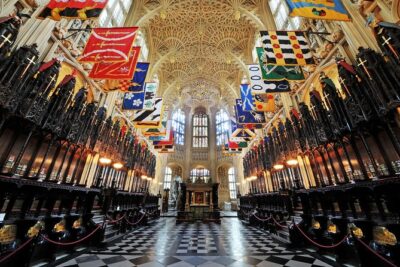
Westminster Abbey Entrance Ticket Including Audio Guide
Read our review →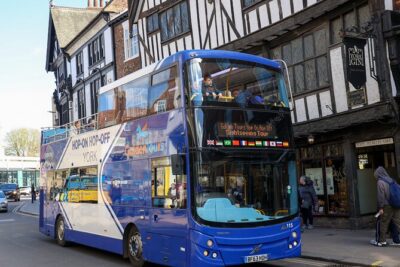
Golden Tours York Hop-on Hop-off Open Top Bus Tour with Audio Guide
Read our review →
Windsor Castle Tour from London with Transportation & Audio Guide
Read our review →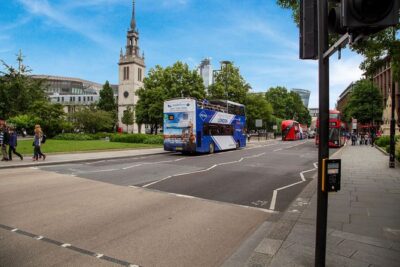
London Panoramic Open Top Bus Tour with Audio Guide
Read our review →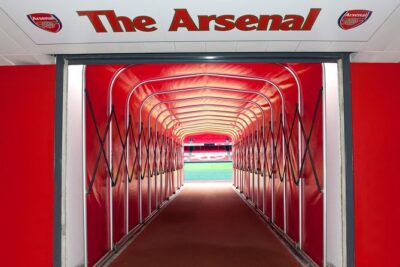
Emirates Stadium and Arsenal Museum Entrance Ticket Including Audio Guide
Read our review →
Harry Potter PUBLIC Tour + Self Guided Christ church Daily 12.45
Read our review →
Discovering Cheltenham: A Self-Guided Audio Tour
Read our review →
Browse the lists this tour appears in