
Reviewed · CITY TOURS
Slave Trade Money Trail Tour in the City of London
London’s financial district looks polished and powerful today, but this walking tour asks you to read its grand buildings through a harder lens. From the Royal Exchange to Lloyd’s of London and Borough Market, you’ll trace how banking, insurance, shipping, and consumer goods tied the city to the transatlantic slave trade.
I like the route’s direct connection between famous buildings and uncomfortable history, and I like that guide Darrel Blake uses a booklet, artifacts, questions, and personal context rather than simply reciting dates. The main drawback is that this is a serious subject, not a light sightseeing stroll, and three hours on foot may feel demanding if you want a broad tour of London.
Key points at a glance
- The Royal Exchange begins the story in the heart of the City of London.
- Lloyd’s of London reveals the insurance side of the transatlantic slave trade.
- Fenchurch Street links finance with shipping companies that profited from the trade.
- Borough Market connects everyday goods such as sugar and tobacco with enslaved labor.
- Darrel Blake leads with clear, personal teaching, supported by artifacts and a tour booklet.
- The three-hour route ends at Borough Market, with lunch and water not included.
Why London’s money trail matters
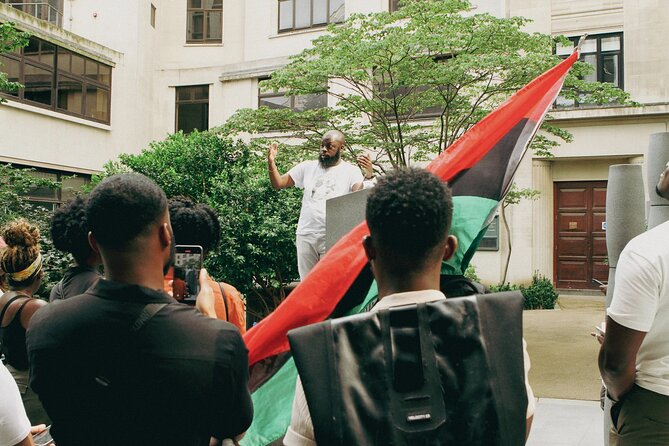
I find this tour valuable because it changes the way you look at places you might otherwise pass without a thought. The City of London is usually presented through finance, architecture, and commerce. Here, those same subjects are connected to the wealth created and reinforced by slavery and colonialism.
The tour focuses on the period from the 17th to the 19th centuries, following the financial systems that supported the transatlantic slave trade. You’ll consider how money moved through banks, insurance firms, shipping interests, and trading centers. The point is not just to identify one building or one wealthy figure. It is to see how a network operated.
That approach gives the experience more weight than a standard monument walk. You are not only hearing about slavery in distant colonies. You are being shown how London institutions helped finance, insure, transport, and sell goods connected to enslaved labor.
The subject can be painful. The strongest version of this tour will suit you if you are ready to listen closely, ask questions, and accept a less comfortable account of British history. It is not designed to soften the past or keep the mood cheerful.
More city tours in London:
- Westminster to Greenwich Sightseeing Thames Cruise in London
★ 4.5 · 2,969 reviews - London Sightseeing Tour: Guard Change with Tower of London Option
★ 4.5 · 2,672 reviews - Hop-On Hop-Off Sightseeing River Cruise on the Thames
★ 4.0 · 1,256 reviews
Starting at the Royal Exchange
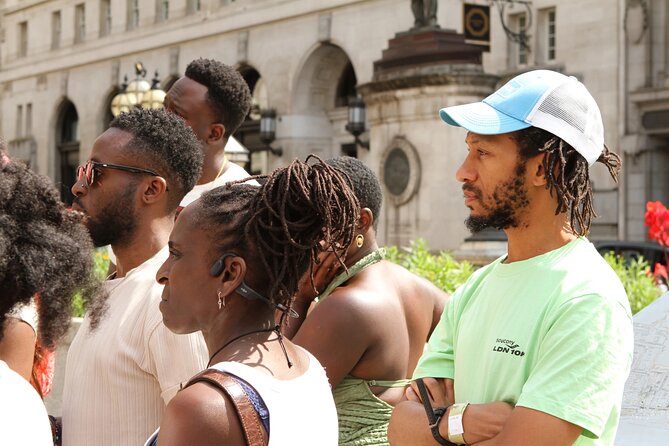
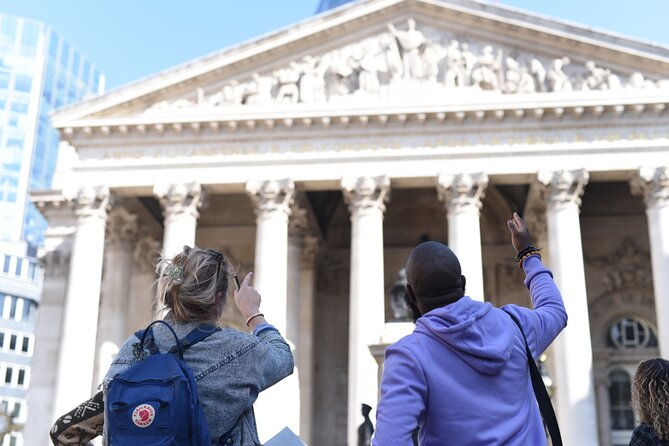
The meeting point is outside the Royal Exchange, London EC3V 3LL, with the tour scheduled to begin at noon. This is a sensible place to start. The building gives you an immediate link to London’s old commercial center, rather than beginning with an abstract lecture.
The Royal Exchange was once central to the city’s commercial life. On this tour, its grand appearance becomes a way to discuss the trading systems that helped connect Britain with Africa, the Caribbean, and the Americas.
You can expect the opening section to last about 20 minutes. That is enough time to establish the main argument without spending too long on architecture alone. The guide places the building within the wider commercial system, showing how wealth generated through overseas trade helped shape London.
A practical note: the meeting point is in a busy part of the City, so give yourself time to find the exact location. The experience is offered in English and uses a mobile ticket. Since it is an outdoor walk, comfortable shoes and clothing suited to London weather are sensible choices.
Banks and the City’s financial center
The first part of the walk takes place in the historic Bank area, close to the Royal Exchange. For about 15 minutes, you’ll look at financial institutions connected to the transatlantic slave trade.
This is where the tour begins to make an important distinction. Slavery was not only sustained by plantation owners or ship captains. It also relied on credit, investment, contracts, and institutions that allowed money to circulate. The City of London helped provide that financial structure.
I like this part because it gives you a way to understand the subject through familiar urban features. Banks can seem removed from the physical violence of slavery. The tour asks you to consider how financial decisions made in London could support a system operating across the Atlantic.
The stop itself is brief, but it sets up the rest of the walk. You will be better prepared to understand why insurance, shipping, and trade are treated as connected parts of the same story.
Fenchurch Street and the shipping connection
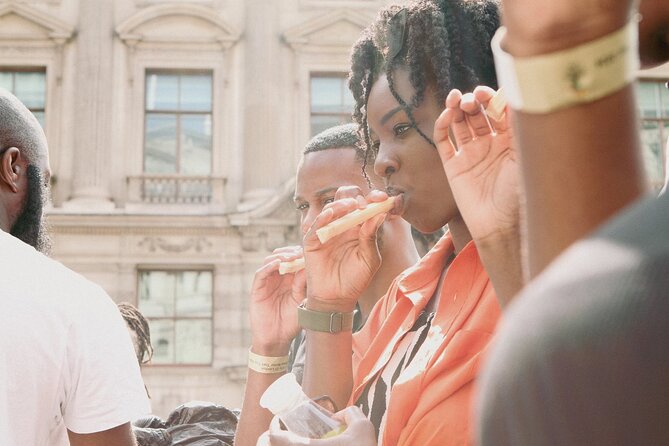
The longest stop is at 20 Fenchurch Street, with about 50 minutes devoted to the area. That extra time matters. This is where the tour examines the shipping industry and the companies headquartered in or linked to London’s financial district.
Shipping carried people, goods, and capital through the Atlantic system. The ships involved in the trade required investment and support before they ever left port. Companies also profited from the movement of plantation products back to Britain.
I appreciate the length of this section because the shipping connection can be easy to reduce to a few names and dates. A longer discussion gives Darrel Blake room to explain how the industry worked and how it fed London’s economic growth.
This is also likely to be one of the more demanding parts of the tour intellectually. You may hear names, companies, and connections that are unfamiliar. The booklet helps you follow the material, and Blake is described as checking that people have understood what they have just heard by asking questions.
That teaching style should appeal to anyone who wants more than a passive walk. You are encouraged to remember and connect the information as you go. If you prefer to simply take photographs and listen quietly, you may find the questioning more active than expected.
Same base, a different kind of day:
- Stonehenge, Windsor Castle, and Bath from London
★ 4.5 · 18,662 reviews - London Big Bus Hop-On Hop-Off Tour with Optional River Cruise
★ 3.5 · 10,803 reviews - London Small Group Tour of Historical Pubs
★ 5.0 · 10,422 reviews - Stonehenge, Windsor Castle and Bath with Pub Lunch in Lacock
★ 4.5 · 7,402 reviews
Lloyd’s of London and the cost of risk
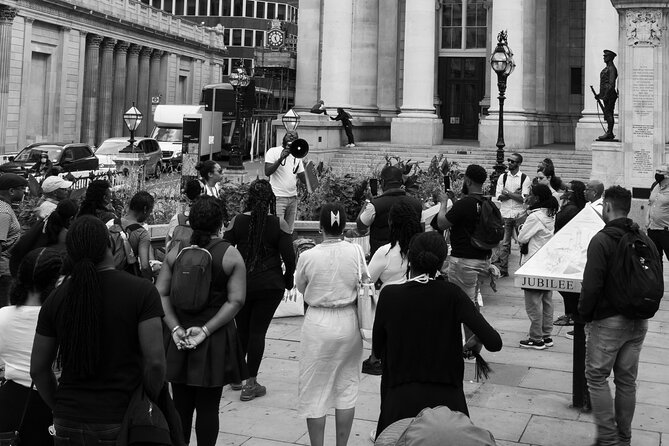
The stop at Lloyd’s of London lasts about 20 minutes and focuses on insurance. This is one of the most revealing sections because insurance can feel like a technical subject, yet it helped make the slave trade financially possible.
Ships, cargo, and human beings were treated as financial risks within the system. Insurance allowed merchants and investors to limit some of the losses connected with voyages. That does not make insurance a side issue. It shows how ordinary commercial tools could support an inhuman trade.
The building itself is an iconic part of London’s financial world. The tour uses that modern association to point back toward the institution’s historic role in underwriting the transatlantic slave trade.
I find this stop especially useful for understanding how responsibility can become scattered across a system. The person buying or selling a commodity might never see the ship. The insurer might never see the plantation. The investor might never see the people forced to produce the goods. Yet each part could help keep the system running.
Borough Market and the goods London consumed

The walk ends at Borough Market in Southwark, after about 20 minutes focused on the market’s connections to goods produced by enslaved labor. Sugar and tobacco are key examples.
This is an effective final stop because it brings the discussion back to consumption. Financial institutions and shipping firms can seem remote, but sugar and tobacco entered everyday life. The market represents the point where trade became part of the city’s food, commerce, and social habits.
Borough Market is still a busy public place, so the ending has a different feel from the financial district. You may want to allow extra time afterward to look around or find food, but lunch is not included in the tour price.
The market also gives the tour a useful final question: how much of London’s growth was supported by goods whose low cost depended on forced labor? The experience does not treat slavery as a closed chapter. It connects the past to the city’s modern wealth, social divisions, diversity, and continuing arguments about justice.
Darrel Blake’s teaching style
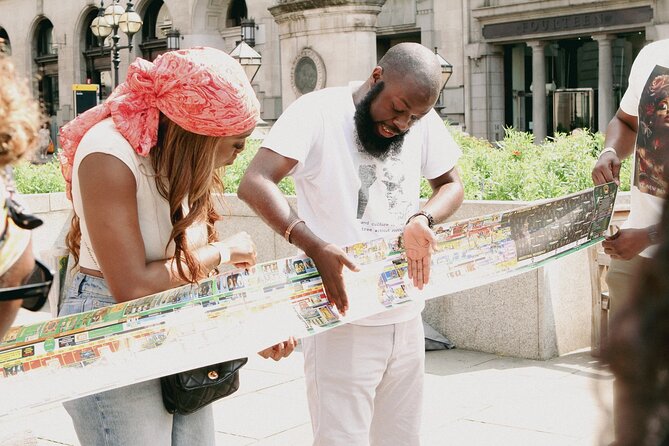
Darrel Blake is the central reason this experience feels more like a guided lesson than a standard walking tour. He presents the subject with clear, direct language and draws on artifacts to make the account more tangible.
You can expect personal engagement rather than a detached list of facts. Blake uses questions to involve the group and checks whether people have understood the links between one stop and the next. That can help the material stay with you after the walk ends.
His delivery has also been praised for being open about the emotional and cultural impact of the subject. That matters here. A tour about slavery can become either too polished or too abstract. Blake’s approach appears designed to keep the human cost visible while explaining the financial systems behind it.
The experience has also worked well for family groups and school-age participants. One account describes young people aged 13 and 15 taking part and gaining a great deal from the walk. I would still use your judgment based on a child’s maturity, since the topic includes exploitation, forced labor, and the suffering of enslaved people.
What the booklet and artifacts add

The tour booklet is a useful extra, especially because the subject involves many institutions and connections. You can use it to follow the route, note names, and continue your own research afterward.
Artifacts add another layer. Instead of leaving the story at the level of buildings and financial records, Blake uses physical objects to help bring the period closer. The exact artifacts are not specified, so I would not book this expecting a museum-style display. Think of them as teaching aids within a walking tour.
I like that the experience gives you something to take away intellectually as well as physically. If you are interested in British, Caribbean, African, or family history, the booklet may help you identify subjects to explore later.
Is $48.01 good value?
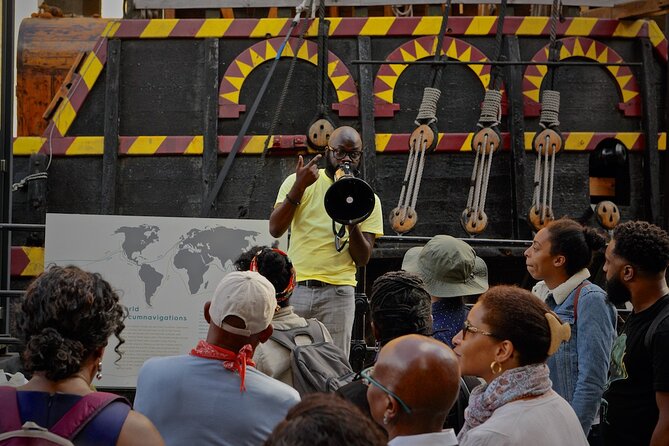
At $48.01 per person, the price is reasonable if you want a focused history experience led by a specialist guide. You are paying for roughly three hours of instruction, a small-group format capped at 30 people, a booklet, and a route through several important City of London locations.
The value depends on what you want from London sightseeing. If you are looking for major interiors, panoramic views, or a large number of landmarks, this is not the best match. Most of the locations are outdoor stops, admission is not charged at the first four, and the walk does not include lunch or bottled water.
If you value interpretation, context, and a serious discussion of how London’s wealth developed, the price makes more sense. The tour gives you a framework that would be difficult to build by simply walking from the Royal Exchange to Borough Market on your own.
The maximum group size of 30 is worth noting. That is not a private tour, and a larger group can make conversation harder. At the same time, the guide’s question-based style suggests that participation is part of the format, so arriving ready to listen and engage will improve the experience.
Timing, comfort, and practical details
The tour starts at noon and lasts about three hours. Since it ends at Borough Market, you can plan food afterward, though you may also find the timing useful for lunch before the walk if you prefer not to go three hours without a meal.
Good walking shoes are important. The route crosses the City and continues to Southwark, with long periods spent outside. The experience requires good weather, and poor conditions can lead to a different date or a full refund.
The tour is available in English. A mobile ticket is provided, and confirmation arrives at booking. Service animals are allowed, the route is near public transportation, and most people can take part.
You can cancel free of charge up to 24 hours before the start time for a full refund. Changes or cancellations inside that 24-hour window are not accepted, so check the forecast and your schedule before the deadline.
Who should book this City of London walk?
I would choose this tour if you enjoy social history, financial history, British imperial history, or discussions of how public wealth was created. It is also a good fit if you want to understand London beyond its palaces, museums, and famous views.
It may be especially meaningful if you have Caribbean or African family connections and want to learn more about the forces that shaped those histories. The walk also suits repeat visitors who have already seen the usual London sights and want a different way to read the city.
Families with older children and teenagers may find it worthwhile, especially if they are studying slavery, colonialism, or civil rights. The questioning style can keep younger participants involved, but the subject requires maturity.
I would skip it if you want a relaxed sightseeing stroll, dislike discussion of painful history, or have limited mobility for a three-hour outdoor route. The tour is focused and serious. That is its strength, but it will not suit every holiday mood.
Should you book it?
Book this experience if you want London’s financial center explained through the people and systems that helped build its wealth. Darrel Blake’s clear delivery, use of artifacts, booklet, and active questions make the walk feel purposeful rather than decorative.
The biggest reason to go is the connection between places you can see today and a history that is often separated from them. You will leave with a different understanding of the Royal Exchange, Fenchurch Street, Lloyd’s, and Borough Market.
I would plan it for a dry day, wear comfortable shoes, carry water, and leave time for food at the end. For history buffs and anyone seeking a more honest account of London’s past, $48.01 is a fair price for three hours of focused teaching.
FAQ
How long does the Slave Trade Money Trail Tour last?
The tour lasts approximately three hours.
Where does the tour begin?
It begins at the Royal Exchange, Royal Exchange, London EC3V 3LL, UK.
Where does the tour end?
The tour ends at Borough Market, London SE1 9AL, UK.
What time does the tour start?
The scheduled start time is 12:00 pm.
Is lunch included?
No. Lunch and bottled water are not included.
What happens if bad weather cancels the tour?
If poor weather causes cancellation, you will be offered a different date or a full refund.
Just added in London
- The Beatles and a Secret pub★ 4.5 · 36 reviews
- The Beatles & Liverpool Magical Mystery Tour from London★ 4.5 · 80 reviews
- Airport Coach Service from Heathrow to Oxford★ 3.5 · 67 reviews
- The Beatles Magical History Black Taxi Tour London★ 5.0 · 51 reviews
- The Beatles London walking tour. From Abbey Road to the Roof Top★ 5.0 · 61 reviews
- Private The Beatles Taxi Tour in London★ 5.0 · 12 reviews
- The Beatles London Walk★ 4.5 · 120 reviews
- The Alfred Hitchcock London Walk with Sandra Shevey★ 5.0 · 15 reviews
City Tours, compared.

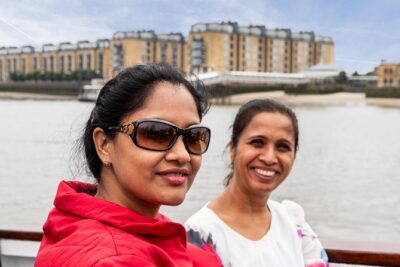
Westminster to Greenwich Sightseeing Thames Cruise in London
Read our review →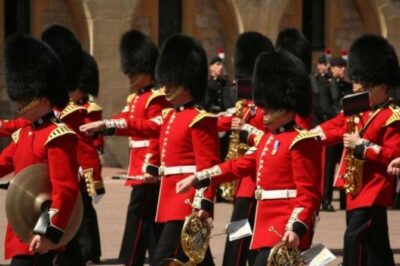
London Sightseeing Tour: Guard Change with Tower of London Option
Read our review →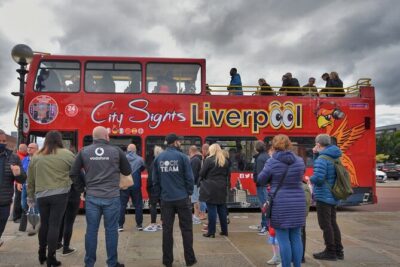
Liverpool City Sights Hop On Hop Off City Tour – 24hr Ticket
Read our review →
1.5-hour Oxford City and University Walking Tour
Read our review →
Hop-On Hop-Off Sightseeing River Cruise on the Thames
Read our review →
Browse the lists this tour appears in