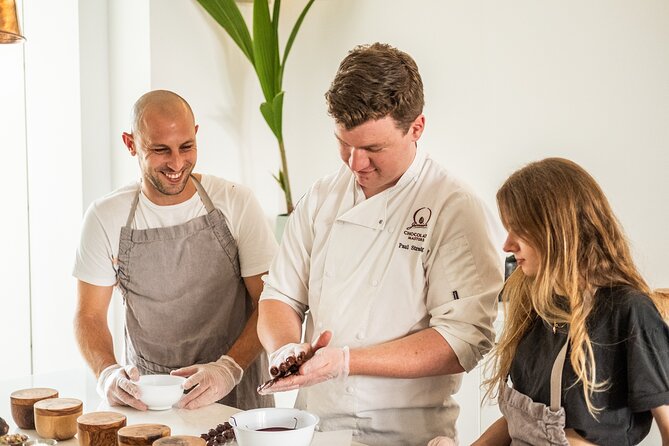
Reviewed · TOURS IN LONDON
Melt’s Amazing Bonbons making in Notting Hill
The most unusual part of Melt’s bonbon class is its link between chocolate and childhood memory. You do more than taste sweets. You explore scents, flavors, textures, and memories, then use those ideas to create a box of custom bonbons in Notting Hill.
I like the small group limit of 10, which gives the chocolatier room to offer help, and I like the sensory theme. Clementine, pine, and campfire notes can lead you toward a bonbon that feels personal rather than pulled from a standard menu. The main drawback is important: the shells may already be made, so this can be closer to filling and decorating bonbons than making them from start to finish.
- A two-hour chocolate class on Ledbury Road: You meet at 59 Ledbury Road in Notting Hill and finish at the same place.
- A sensory approach to chocolate: Smells, tastes, textures, and memories help shape your chosen flavors.
- A small class of up to 10 people: You get a more personal session than in a large demonstration.
- A box of bonbons to take home: Your finished chocolates are part of the experience, not just a tasting.
- A trained chocolatier as your guide: Emma has been singled out for making the class both fun and informative.
- A useful point to check before booking: The chocolate shells can be premade, despite the making bonbons title.
Chocolate and childhood memories in Notting Hill
Melt’s class takes a thoughtful route into chocolate. Instead of treating bonbons as only a technical exercise, it uses chocolate to bring back simple childhood pleasures: eating an orange, smelling pine on a seaside holiday, or making s’mores around a campfire.
That approach gives the two hours a clear purpose. You are asked to notice what chocolate does through your senses, then use those impressions to guide your own choices. I like that this gives the class a little more character than a basic confectionery lesson.
The experience also aims to create a feeling of togetherness and play. That may sound softer than a standard cooking class, but it suits chocolate well. You can experiment with molten, flaked, or tempered chocolate while thinking about flavors that mean something to you.
Still, keep your expectations in check. The description presents this as a bonbon-making class, but the practical work may focus on filling premade chocolate shells. If your goal is to learn every stage, including molding the shells yourself, this may not give you the hands-on technique you hoped for.
Arriving at 59 Ledbury Road
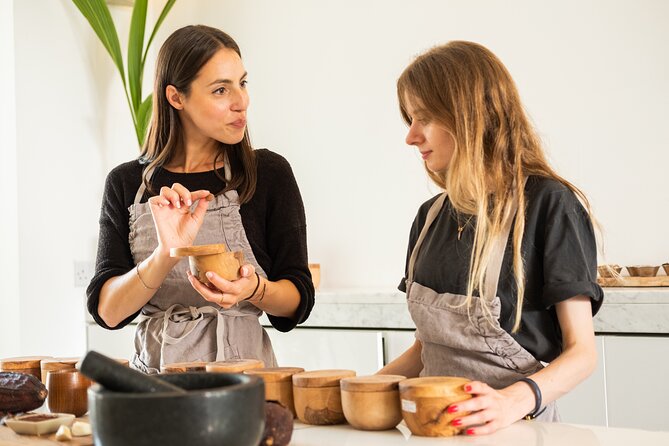
The class begins at 59 Ledbury Road, London W11 2AA, in Notting Hill. The location is near public transportation, so it fits neatly into a day spent around west London. You can make the chocolate session one stop in a larger Notting Hill outing rather than travel across town only for the class.
You receive a mobile ticket, and confirmation comes at the time of booking. The activity ends at the same meeting point, which keeps the logistics simple. There is no separate return transfer to arrange.
Plan for roughly two hours. That is long enough for tasting, discussion, chocolate work, and packing your finished box without turning the class into an all-day commitment. If you have a busy sightseeing schedule, this is a manageable food activity.
The class is capped at 10 people. That number matters here because chocolate work often involves small tools, shared ingredients, and quick questions. A group of 10 can still feel social, but it should give the chocolatier more time to check your work than a large public demonstration.
Other trips people book in London:
- Stonehenge, Windsor Castle, and Bath from London
★ 4.5 · 18,662 reviews - London Big Bus Hop-On Hop-Off Tour with Optional River Cruise
★ 3.5 · 10,803 reviews - London Small Group Tour of Historical Pubs
★ 5.0 · 10,422 reviews
Meeting the chocolatier and learning the basics
The session begins with an introduction to chocolate and the secrets of good confectionery. You learn about different kinds of chocolate and sample several types before making your own bonbons.
This tasting is useful because it gives you a reference point. You can compare flavors and textures before deciding what belongs in your own chocolates. It also helps explain why two chocolates that look similar can taste very different.
A trained chocolatier leads the class, sharing practical tips and tricks. Emma has been praised for making the session both interesting and fun, so if she is leading your class, you can expect a warm and lively teaching style based on the available feedback.
The class is suitable for beginners. You do not need to arrive with professional chocolate skills. The point is to learn by handling the chocolate and making choices, not to pass a difficult pastry exam.
The exact balance between instruction and practical work may vary. Some people will enjoy the tasting and explanation as much as the making. Others may want more time with the chocolate. If you prefer a technical workshop, ask how much shell molding and tempering you will personally do before you commit.
Using all six senses to choose your flavors
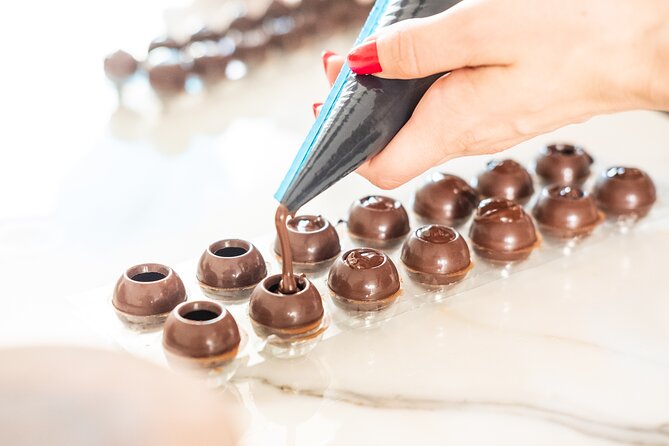
Melt frames the session around six senses and childhood memories. The idea is to use chocolate as a prompt: a smell or flavor can pull a particular moment into focus, then help you decide what kind of bonbon to make.
Clementine is given as an example. Its perfume might remind you of peeling an orange as a child. Pine could recall a Mediterranean holiday. Fire might bring back camping and s’mores around a campfire.
These examples show how personal the flavor stage can be. You are not simply selecting from a fixed list because a particular filling sounds fashionable. You are encouraged to consider what you like, what you remember, and what you want your box to express.
This is also where the class becomes different from a quick chocolate tasting. The tasting gives you information, but the memory exercise gives you a reason to make a particular choice. I like that connection because it can make the finished box feel like your own.
You should also know that the sensory theme will not appeal to everyone. If you want a direct lesson in tempering curves, ganache ratios, and production methods, the memory-based discussion may seem less useful. If you enjoy creative food experiences, it adds a welcome layer.
Playing with molten, flaked, and tempered chocolate
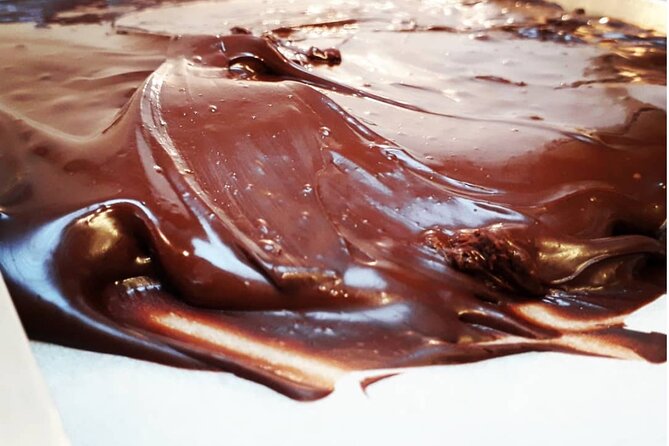
The practical section lets you work with chocolate in different forms, including molten, flaked, and tempered chocolate. That gives you a chance to see how the ingredient changes as you handle it.
Tempered chocolate is especially important in bonbon work because it affects the finish and texture. The supplied information does not promise that you will temper a full batch by yourself, so treat this as an introduction rather than a professional production course.
One practical concern comes from the way the session has been experienced by some participants: the bonbon shells may be purchased or premade. In that case, your main task is filling the shells and perhaps finishing them, rather than creating the chocolate casing from scratch.
That distinction affects the value. If you want to learn the full process, premade shells remove one of the most technical steps. If you mainly want to taste good chocolate, choose flavors, and leave with something you made, the arrangement may work well.
The class is best viewed as a creative introduction. You get contact with the ingredient, guidance from a chocolatier, and a chance to make decisions. You may not leave ready to run a chocolate shop, but you should understand more about the stages involved.
Same base, a different kind of day:
- Stonehenge, Windsor Castle and Bath with Pub Lunch in Lacock
★ 4.5 · 7,402 reviews - Tower of London and Crown Jewels Exhibition Ticket
★ 4.5 · 6,677 reviews - Thorpe Park Admission Ticket
★ 4.0 · 5,915 reviews - Stonehenge, Windsor Castle and Bath Full Day Guided Tour
★ 4.5 · 5,346 reviews
Filling and finishing your custom bonbons
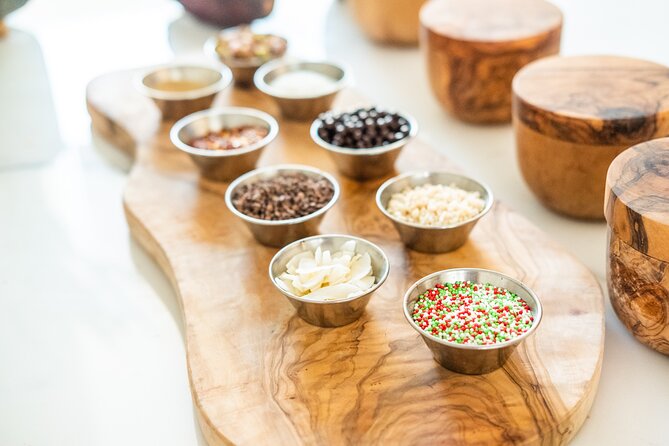
The central activity is creating bespoke bonbons with your chosen sensory flavors and scents. You work toward a box of chocolates that reflects your selections.
The word custom matters here. The pleasure is not only in producing a neat finished piece. It is in deciding how the flavors fit together and seeing a personal idea become an edible object.
At the same time, pay attention to the working setup. One account describes three people sharing one pot for melting chocolate. That may be perfectly manageable in a small class, but it can also mean waiting your turn during a key step.
A class of up to 10 is small by tour standards, yet the experience may still involve shared equipment. I would not book this expecting each person to have a full professional workstation. Think of it as a guided group workshop with personal choices inside a shared setup.
Once the bonbons are filled and finished, you take your box home. This is one of the strongest practical features. You have a souvenir you can eat, share, or save, and it carries more meaning than a standard packaged chocolate because you chose the flavors.
The finished chocolates also make the class suitable for a birthday, couple’s outing, or small group activity. Just remember that chocolate can be delicate, so take care with your box after the session.
What the $75.26 price really covers
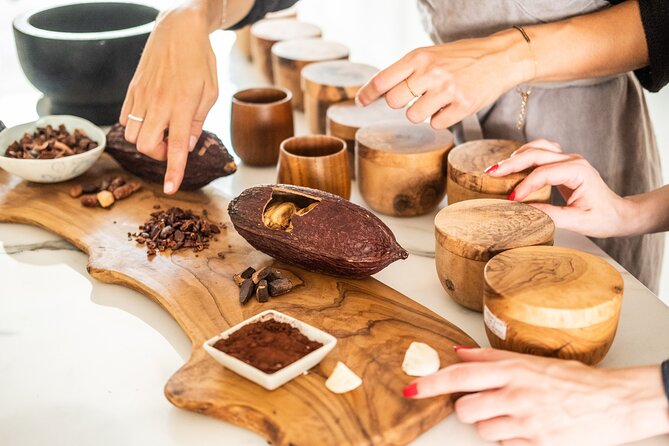
At $75.26 per person, this is not an inexpensive way to buy chocolate. You can purchase a box of fine bonbons for less, and you should not compare the price only with the retail value of the finished sweets.
The fee covers roughly two hours of instruction, tasting, sensory exploration, ingredients, the practical session, and your handmade box. The small group limit also has value. You are paying for an activity in a central London neighborhood, not just for candy.
I think the price makes the most sense when you want an experience rather than a product. A chocolate lover who enjoys learning, trying flavors, and making something personal may find it fair. Someone who expects advanced confectionery training may feel the price is high if the shells are premade.
The difference between those two expectations is the key question. If the class gives you a relaxed social activity and a memorable box to take home, $75.26 can be reasonable. If you are measuring value by how much technical chocolate work you perform, confirm the hands-on details first.
The experience is booked an average of 48 days ahead, which suggests you should not leave it until the last minute if your London dates are fixed. You can cancel for a full refund up to 24 hours before the start time. Changes or cancellations inside that window are not refunded, and the class needs a minimum number of participants to run.
Who will enjoy this class most
I would recommend Melt’s class to a beginner who loves chocolate but does not need a formal culinary qualification. The gentle format, small group, and personal flavor choices suit someone who wants to do something creative in London.
It also fits:
- Couples looking for a shared activity in Notting Hill
- Families or friends who enjoy food-based workshops
- Chocolate fans who like tasting before making
- Visitors who want an edible souvenir
- People who enjoy memory, scent, and creative prompts
I would be more cautious if you have already taken professional bonbon courses. You may want more control over shell molding, filling ratios, tempering, and decoration than this session provides.
The class may also disappoint anyone who reads making bonbons as creating every part from raw chocolate. Because the shells can be premade, check that point before booking if it is central to your decision.
Final call: book it for the experience, not the technique
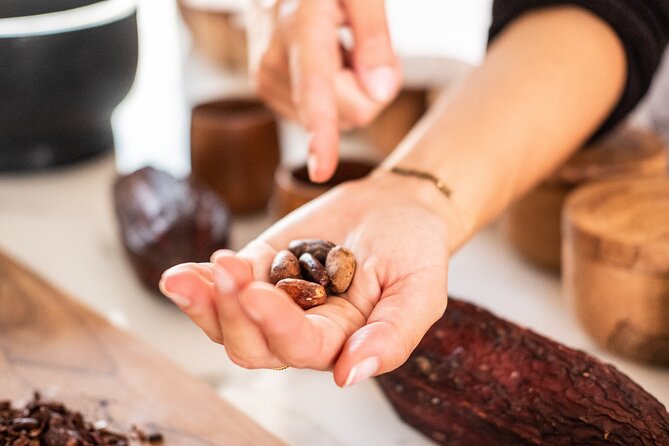
Melt’s Amazing Bonbons making in Notting Hill is a pleasant choice for a beginner-friendly chocolate outing with a personal twist. I like the six-senses theme, the small class size, the friendly teaching style associated with Emma, and the box of custom bonbons you take home.
I would book it if you want two relaxed hours of tasting, creativity, and chocolate in Notting Hill. I would skip it, or ask detailed questions first, if you expect to mold every shell yourself or want advanced technical training.
The clearest buying advice is simple: book for the memories and the finished chocolates, not for a full professional lesson in bonbon production. That expectation should leave you much happier with the experience.
FAQ
Where does the chocolate bonbon class begin?
The class begins at 59 Ledbury Road, London W11 2AA, in Notting Hill.
How long does the experience last?
The activity lasts approximately two hours.
How many people can join the class?
The class has a maximum of 10 participants.
Do I take chocolate home after the class?
Yes. You make a box of handmade chocolate bonbons to take home.
Is the class suitable for beginners?
Yes. The experience is described as beginner-friendly and includes guidance from a trained chocolatier.
What happens if I cancel?
You can cancel up to 24 hours before the start time for a full refund. Cancellations or changes made less than 24 hours before the start time are not refunded or accepted.
Just added in London
- The Beatles and a Secret pub★ 4.5 · 36 reviews
- The Beatles & Liverpool Magical Mystery Tour from London★ 4.5 · 80 reviews
- Airport Coach Service from Heathrow to Oxford★ 3.5 · 67 reviews
- The Beatles Magical History Black Taxi Tour London★ 5.0 · 51 reviews
- The Beatles London walking tour. From Abbey Road to the Roof Top★ 5.0 · 61 reviews
- Private The Beatles Taxi Tour in London★ 5.0 · 12 reviews
- The Beatles London Walk★ 4.5 · 120 reviews
- The Alfred Hitchcock London Walk with Sandra Shevey★ 5.0 · 15 reviews
Tours in London, compared.

Stonehenge, Windsor Castle, and Bath from London
Read our review →
London Big Bus Hop-On Hop-Off Tour with Optional River Cruise
Read our review →

Stonehenge, Windsor Castle and Bath with Pub Lunch in Lacock
Read our review →
Tower of London and Crown Jewels Exhibition Ticket
Read our review →
Stonehenge, Windsor Castle and Bath Full Day Guided Tour
Read our review →
Windsor Castle, Stonehenge, and Oxford Day Trip from London
Read our review →