Reviewed · TOURS IN LONDON
Handel Hendrix House General Admission
The most striking thing here is the address: George Frideric Handel lived at 25 Brook Street, while Jimi Hendrix lived next door at number 23 more than two centuries later. One house carries you into Georgian London and the age of harpsichords. The other puts you in Hendrix’s late-1960s world of guitars, effects pedals, and swinging London.
I like the real domestic setting and the chance to hear live music in Handel’s rooms when musicians are practicing. I also like the careful recreation of Hendrix’s main room, shaped with input from Kathy Etchingham. The main consideration is that this is a compact self-guided visit, not a long guided tour, and the 250-year-old staircase may be awkward for some people.
Key points to know before you go
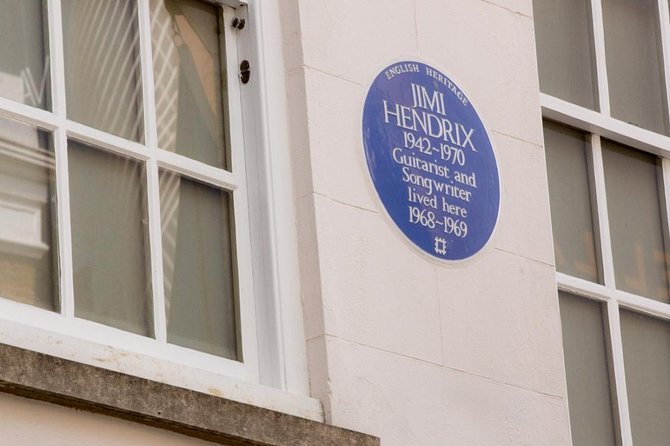
- Two musical legends share one Brook Street address: Handel lived at number 25 from 1723 to 1759, and Hendrix lived next door at number 23 from 1968 to 1969.
- Handel’s rooms are the heart of the visit: See where he composed, rehearsed, performed, and wrote Messiah.
- Live sound can add a special touch: Harpsichord, strings, or vocal practice may be taking place during your visit.
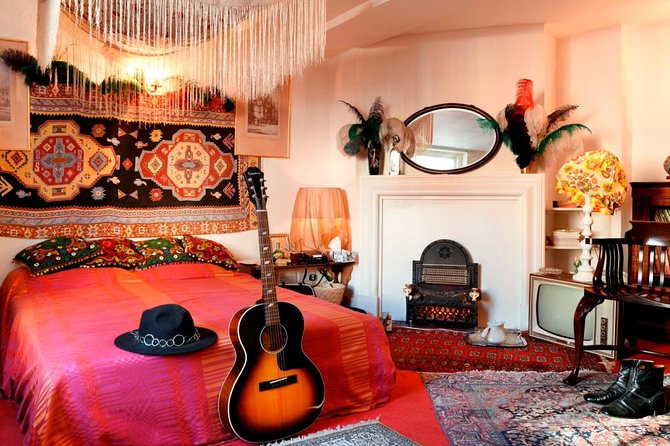
- Hendrix’s flat feels personal: The main room is recreated to reflect how he lived with Kathy Etchingham.
- Plan on one to two hours: You set your own pace, with admission during opening hours and last entry at 4 p.m.
- The price is modest for central London: Admission costs $19.98 per person, with free cancellation up to 24 hours ahead.
Two famous musicians, one remarkable address
Handel and Hendrix did not share the same rooms or the same century. But their homes sit side by side on Brook Street, making this museum unusual from the moment you arrive.
At 25 Brook Street, you enter the house where Handel lived for 36 years. This was not merely a sleeping place. It was where he wrote music, worked with performers, entertained fellow musicians, and managed the practical business of an opera composer.
Next door, at number 23, Jimi Hendrix lived with his girlfriend Kathy Etchingham from 1968 to 1969. Hendrix described the flat as the first place he had truly called home. That detail gives the second half of the visit a different tone. Handel’s rooms show the working life of an established composer. Hendrix’s flat hints at a short but important period when a rising musician found a place in London.
I like the way the museum links these two stories without pretending they are the same. The connection is simply music, home, work, and the way creative people use ordinary rooms.
Other trips people book in London:
- Stonehenge, Windsor Castle, and Bath from London
★ 4.5 · 18,662 reviews - London Big Bus Hop-On Hop-Off Tour with Optional River Cruise
★ 3.5 · 10,803 reviews - London Small Group Tour of Historical Pubs
★ 5.0 · 10,422 reviews
Climbing Handel’s 250-year-old staircase
Your visit begins in Handel’s house, reached by a wonky staircase that is about 250 years old. The stairs are part of the experience, but they are also a practical point to consider. You should take your time, particularly if you find uneven or old staircases difficult.
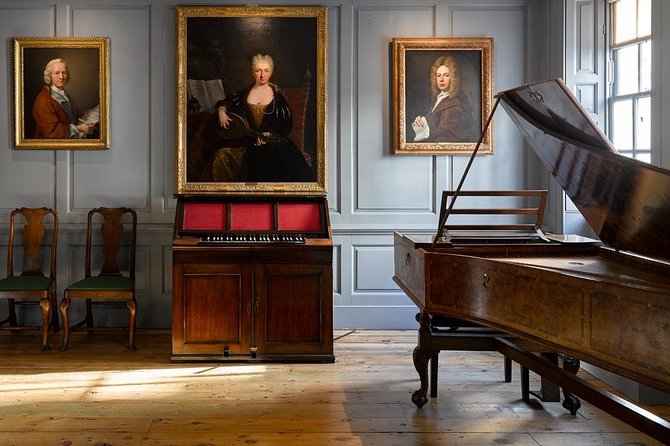
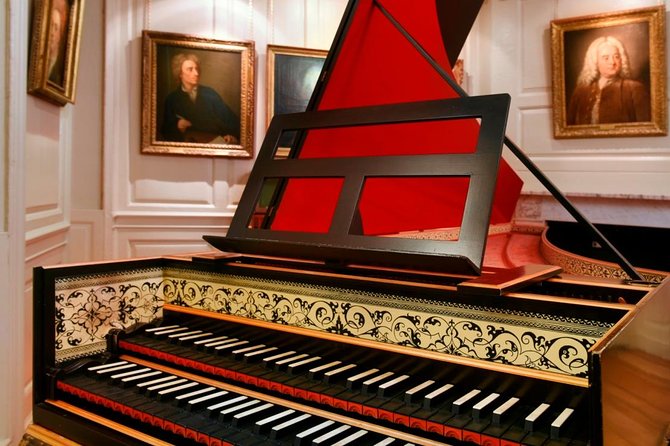
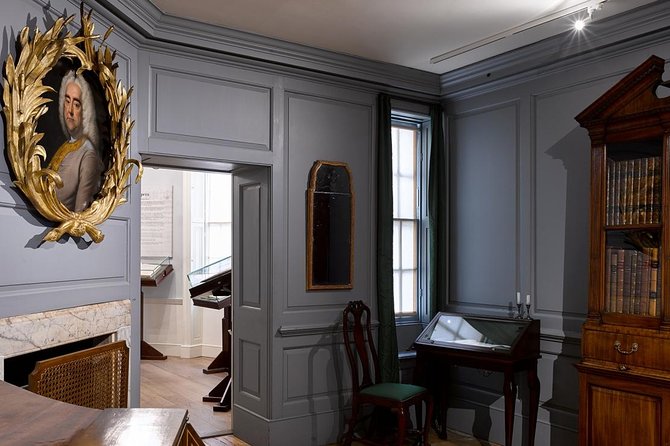
Inside, the rooms have been restored to show the spaces where Handel composed, rehearsed, performed, and spoke with leading musical figures of the Baroque age. The appeal is not only in seeing furniture or walls. You can picture the house as a workplace, with music being prepared and tested right where you are standing.
Handel’s personality also comes through in the stories attached to the rooms. He was known to threaten opera singers with dramatic consequences when they refused to sing his arias. The story gives the house a human edge. This was not a silent shrine. It was a place of pressure, arguments, rehearsals, and deadlines.
The rooms are especially effective if you listen for the difference between a composer’s public fame and private routine. Handel’s most famous work, Messiah, was written here. Yet the museum also helps you think about the less glamorous work behind a major composition: rehearsing performers, shaping parts, dealing with singers, and keeping a musical career moving.
Hearing music where Handel worked
One of the best possibilities at Handel’s house is live musical sound. Musicians sometimes practice harpsichord, strings, or vocal music in the building. You may find a musician rehearsing for a later concert, or hear a singer warming up as you move through the rooms.
This is not guaranteed, so you should not book solely for a performance. But if the timing works, the sound changes the visit. A harpsichord in a former music room feels far more useful than another label on a wall. Strings or an opera voice traveling through the house can help you understand the scale and character of the place.
The setting also rewards a quiet pace. Instead of rushing from room to room, pause near the music spaces and listen. The people working there may be able to explain what is being played or how the rooms were used. Staff have been praised for taking time with visitors, answering questions, and making the Handel section engaging even for people who first came mainly for Hendrix.
That is an important point. You do not need to arrive as a Handel expert. The house gives you enough physical detail and human stories to make the composer’s London life approachable.
The bedroom where Handel died
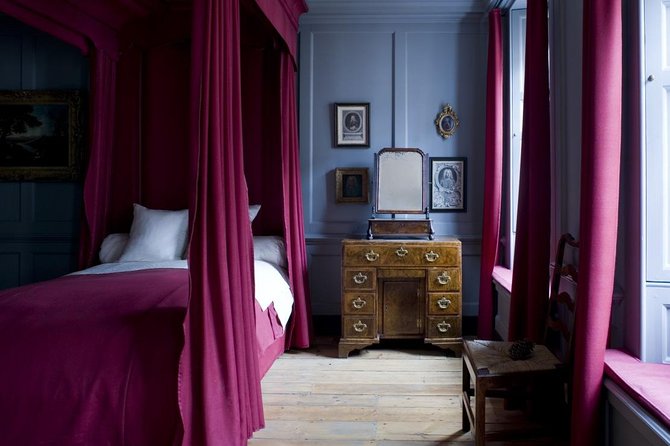
The visit includes Handel’s dressing room and bedroom, including the room where he died. These spaces bring the story back from public performance to private life.
I find bedrooms in historic houses useful because they make a famous figure seem less distant. The music rooms show Handel at work, but the bedroom reminds you that this was also his home for decades. You are not looking at a grand palace. You are moving through rooms connected to a working musician’s daily life.
The museum may also have temporary displays about Handel, his music, and his contemporaries. These change over time, so the exact material will depend on when you visit. It is worth allowing a little extra time rather than assuming you will be finished as soon as you have seen the main rooms.
Same base, a different kind of day:
- Stonehenge, Windsor Castle and Bath with Pub Lunch in Lacock
★ 4.5 · 7,402 reviews - Tower of London and Crown Jewels Exhibition Ticket
★ 4.5 · 6,677 reviews - Thorpe Park Admission Ticket
★ 4.0 · 5,915 reviews - Stonehenge, Windsor Castle and Bath Full Day Guided Tour
★ 4.5 · 5,346 reviews
Crossing into Hendrix’s 1960s London

The Hendrix section is on the third floor, in the next-door flat where he lived from 1968 to 1969. The shift is immediate. You move from Georgian musical life to London during the height of the 1960s, when Hendrix was becoming one of the world’s best-known guitarists.
The flat is not presented as a generic rock display. The main room has been recreated to show how Hendrix lived and played there. Kathy Etchingham helped with the room’s recreation, which gives the presentation a personal link to the people who actually occupied the flat.
This section works best when you treat it as a home, not just a collection of rock memorabilia. Hendrix’s short stay at Brook Street is tied to the idea of belonging. His description of the flat as the first home he had known gives the rooms emotional weight without needing a huge amount of space.
You can learn about his life in London, the way he worked, and the equipment connected with his music. Displays include an Epiphone acoustic guitar and Roger Mayer’s Octavia. The information about Hendrix’s use of effects and the reasons behind them adds useful musical context. You are not just looking at famous objects. You are seeing how the sound was made.
Why Hendrix fans may stay longer than expected
If you are visiting because of Jimi Hendrix, you will get the most from this section by taking time with the technical displays. The guitar and effects equipment help explain the leap between a normal guitar sound and the distorted, forceful sound associated with Hendrix.
The room also benefits from its small scale. A large exhibition can give you more objects, but it can lose the sense of place. Here, the fact that Hendrix lived in an actual flat on the same street as Handel creates a strong link between the two halves of the museum.
I would still advise Hendrix fans to keep an open mind about the Handel house. Several visitors who arrived mainly for Hendrix found themselves spending as much time with Handel. That makes sense. The two sections are different enough to hold your attention, and the musical activity in Handel’s rooms can be a pleasant surprise.
The museum also carries cultural value beyond the famous names. Hendrix’s story is part of African American music history in London, and the presentation connects his creative life with the city that embraced his work. The museum’s approach gives you room to think about how artists from very different eras found a working home in London.
How long to spend and how to plan your visit
The suggested visit takes about one to two hours. I would allow the full two hours if you want to read the displays, talk with staff, pause for music practice, and browse the temporary material.
You do not have to follow a fixed tour schedule. You make your own way to Brook Street and enter at a suitable time during the opening hours. The museum is open Wednesday through Sunday from 10 a.m. to 5 p.m., with last admission at 4 p.m.
That flexible format is useful if you are fitting the museum between other central London plans. It also means you should avoid arriving too close to closing time. A 4 p.m. entry leaves only an hour, which may feel rushed if you want to hear the stories and examine both houses carefully.
The ticket is mobile, and admission is offered in English. Children must be accompanied by an adult. Service animals are allowed, and the information provided says most people can take part.
Is $19.98 good value?
At $19.98 per person, this is a fairly manageable London admission price, especially because it covers two connected museum spaces and can fill one to two hours. The value improves if you care about music, historic homes, or both.
The ticket is less compelling if you want a long guided experience with a set route and constant commentary. This is a self-paced visit, and the amount you get from it depends on how much time you spend with the rooms, displays, and staff.
For musicians, the price can feel particularly fair. You may see instruments and equipment tied to the artists, hear practice in Handel’s rooms, and get a clearer sense of how composers and performers worked in domestic spaces.
The flexible admission also helps. You are not paying for a large block of the day. You can fit this stop into a visit to central London and continue with other plans afterward.
What I like most, and what may bother you
I like the strong sense of place. Handel’s house does not merely tell you that he lived in London. It puts you in the rooms where he made music, managed performers, and wrote Messiah. Hendrix’s flat then gives you a smaller, more personal picture of a musician at home.
I also like the staff contact. The museum has a reputation for friendly assistance, and the people working in the rooms can add details that make the displays easier to understand. If you have a question, ask it. The visit gains something from conversation.
The main drawbacks are practical. The staircase is old and uneven, and the museum is not open every day. Live music is an occasional bonus rather than a scheduled part of the basic admission. You should also expect a compact museum rather than a large institution that takes half a day.
The biggest risk is arriving with only a passing interest in either musician and expecting a broad London sightseeing attraction. This is a focused museum. It rewards curiosity about Handel, Hendrix, music, homes, and the way artists work.
Who should book Handel Hendrix House?
I would recommend this experience to:
- Fans of Handel, Hendrix, classical music, opera, or rock guitar
- Musicians who enjoy seeing working rooms and historic instruments
- Visitors looking for a short central London museum stop
- Parents with older children who are interested in music
- Anyone who enjoys historic homes more than large, crowded exhibitions
- People who want a flexible activity lasting about one to two hours
I would be more cautious if you have difficulty with an old staircase, need a fully guided experience, or can visit only on a Monday or Tuesday. The opening schedule is Wednesday through Sunday, and the museum closes admission at 4 p.m.
Should you book it?
Book it if the idea of standing in Handel’s music rooms and then stepping into Hendrix’s recreated flat appeals to you. The two houses offer a rare pairing, and the live rehearsal possibility can make the Handel section feel unusually immediate.
If you are a Hendrix fan, do not treat Handel’s house as a warm-up to the main event. Give it proper time. If you come for Handel, the Hendrix flat adds a sharp and unexpected second chapter.
At $19.98, this is a sensible choice for a focused music stop in London. Just plan for the staircase, check the Wednesday to Sunday schedule, and arrive early enough to enjoy both sides without watching the clock.
FAQ
Where is Handel Hendrix House located?
Handel Hendrix House is on Brook Street in central London. Handel lived at 25 Brook Street, and Jimi Hendrix lived next door at 23 Brook Street.
How much does general admission cost?
The listed price is $19.98 per person.
How long does the visit take?
You should allow about one to two hours, depending on how closely you explore the rooms and displays.
Is the visit guided?
You explore the houses at your own pace. Staff may be available to answer questions and provide additional information.
What are the opening hours?
The museum is open Wednesday through Sunday from 10 a.m. to 5 p.m.
What time is the last admission?
Last admission is at 4 p.m.
What can I see in Handel’s house?
You can see the restored music rooms, dressing room, and bedroom where Handel lived, worked, and died. The house is also connected with the writing of Messiah.
What can I see in Jimi Hendrix’s flat?
You can visit the third-floor flat where Hendrix lived from 1968 to 1969. The main room is recreated to show how he lived and played there.
Might I hear live music during the visit?
Musicians sometimes play or rehearse in Handel’s house. You might hear harpsichord, strings, or vocal practice, but live music is not guaranteed.
Can I cancel for a refund?
You can cancel up to 24 hours before the experience start time for a full refund. Cancellations or changes made less than 24 hours ahead are not accepted for a refund.
Just added in London
- The Beatles & Liverpool Magical Mystery Tour from London★ 4.5 · 80 reviews
- The Beatles and a Secret pub★ 4.5 · 36 reviews
- Airport Coach Service from Heathrow to Oxford★ 3.5 · 67 reviews
- The Beatles Magical History Black Taxi Tour London★ 5.0 · 51 reviews
- The Beatles London walking tour. From Abbey Road to the Roof Top★ 5.0 · 61 reviews
- Private The Beatles Taxi Tour in London★ 5.0 · 12 reviews
- The Beatles London Walk★ 4.5 · 120 reviews
- Dinner and Jazz Cruise on the River Thames★ 4.0 · 140 reviews
Tours in London, compared.

Stonehenge, Windsor Castle, and Bath from London
Read our review →
London Big Bus Hop-On Hop-Off Tour with Optional River Cruise
Read our review →

Stonehenge, Windsor Castle and Bath with Pub Lunch in Lacock
Read our review →
Tower of London and Crown Jewels Exhibition Ticket
Read our review →
Stonehenge, Windsor Castle and Bath Full Day Guided Tour
Read our review →
Windsor Castle, Stonehenge, and Oxford Day Trip from London
Read our review →