
Reviewed · FOOD TOURS
Beginner Foraging Walk: Wild food walking tour & tasters
The best part of this Isle of Wight walk is that it turns an ordinary countryside stroll into a practical lesson in wild food. Joseph Thurbin shows you how to spot beginner-friendly plants and fungi, how to record what you see, and how those ingredients might work in your kitchen. I like the tasting stops and the chance to learn from someone who has foraged for years. The main drawback is that this is a real country walk, not a flat indoor class.
I also like the setting near Niton, one of the island’s quieter corners, and the small group-style feel suggested by the personal guiding. Joseph’s friendly manner and useful facts make the subject approachable, even in January, when there are still plants to find. You should come ready for British weather, uneven ground, and a little patience while your eyes adjust to what is growing around you.
Key points at a glance
- A 2-mile route from The Buddle Inn: The walk begins and ends at the large car park opposite the inn in Niton.
- Led by lifelong forager Joseph Thurbin: Joseph also works as a filmmaker, so he explains how to photograph plants and fungi for identification later.
- Made for beginners: You’ll learn the basics of spotting edible species rather than being expected to arrive with specialist knowledge.
- Wild tastings included: You can sample snacks made with wild ingredients during the walk.
- A scenic, secluded setting: The route passes through one of the more peaceful parts of the Isle of Wight.
- Best for reasonably fit adults: The experience is not suitable for children under 18, wheelchair users, or people with mobility impairments.
Why this short walk is more useful than a simple nature stroll

Foraging can look easy until you try to identify a plant without a guide. Many species look alike, and the consequences of a poor identification can be serious. This experience gives you a safer starting point by focusing on plants and fungi that are relatively easy for a beginner to recognise.
You are not simply told a list of names. Joseph explains how to look at plants in the wild and how to gather useful information for later checking. That includes taking photographs with your phone, a simple skill that can help you compare leaves, stems, flowers, and other features at home.
I like this approach because it treats foraging as a skill rather than a novelty. You leave with a method: look carefully, record what you find, and confirm the identification before using anything in the kitchen. That is far more useful than memorising a few plant names during a quick walk.
The food element keeps the lesson grounded. You’ll get to taste snacks made with wild ingredients, and the walk includes chances to nibble suitable plants along the way. This gives you an idea of flavour and texture, while also showing how wild food can fit into ordinary cooking.
More food tours in England:
- London Bridge & Borough Market Food Tour with 7 Authentic Dishes
★ 5.0 · 1,972 reviews - London Foodie Adventure:More than 10 dishes with Sherpa Food Tour
★ 5.0 · 932 reviews - Eating London: Twilight Soho VIP Food & Drinks Tour
★ 5.0 · 590 reviews
Starting at The Buddle Inn in Niton
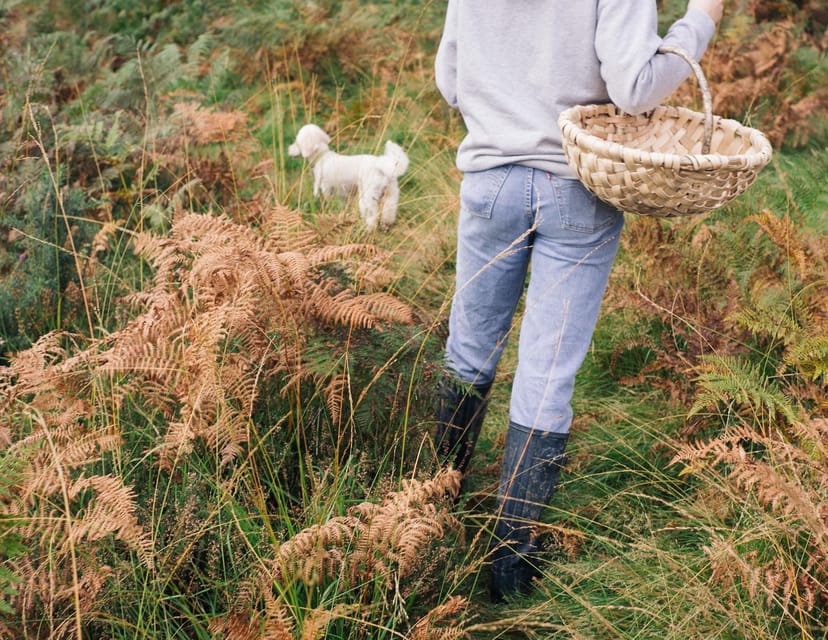
The meeting point is easy to identify. Park in the large car park opposite The Buddle Inn, then look for Joseph carrying a foraging basket. The activity finishes back at this same point, so you do not need to arrange a second vehicle or work out a return route.
Niton is a practical base for this kind of outing because the walk begins close to open countryside. You are quickly away from the feel of a town and into a quieter part of the island. The setting matters here. You are learning to notice plants where they actually grow, not viewing cleaned-up samples on a table.
The experience lasts about 1.5 hours and covers roughly 2 miles. That is enough time for several stops and explanations without taking up a full day of your Isle of Wight visit. It also gives you room to enjoy the surroundings rather than rushing from one teaching point to the next.
Starting times vary, so check availability before planning your day. If you are arriving without a car, Niton can be reached by Southern Vectis Route 6. Parking fees, if applicable, are not included in the activity price.
Learning to identify plants and fungi
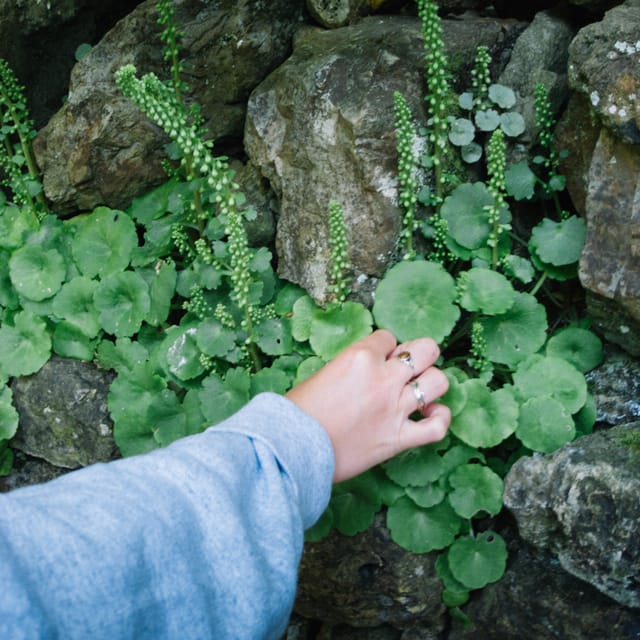
The central lesson is basic identification. Joseph introduces you to edible plants and fungi that suit people new to foraging, pointing out features that help separate one species from another. The exact mix will depend on the season and what is growing during your visit.
That seasonal element is part of the appeal. A winter walk is not an empty one, and January can still offer plants for careful foraging. You should not expect the same selection all year, but you can expect the walk to show how the available wild food changes with the calendar.
You will likely spend time looking closely rather than covering a great distance. A leaf may need a careful inspection. A plant’s shape, smell, or growing spot can matter. Joseph’s role is to help you slow down and notice those details.
This is especially useful if you have tried to identify plants through a phone app and found several possible answers. A photograph can help, but it does not replace a proper check. The tour’s advice on taking clear pictures gives you a better starting point for further study at home.
Bring a charged smartphone for photographs and notes. A small notebook is also useful if you prefer writing down names, seasonal reminders, or cooking ideas. You are not required to bring specialist equipment.
Wild tastings and kitchen ideas
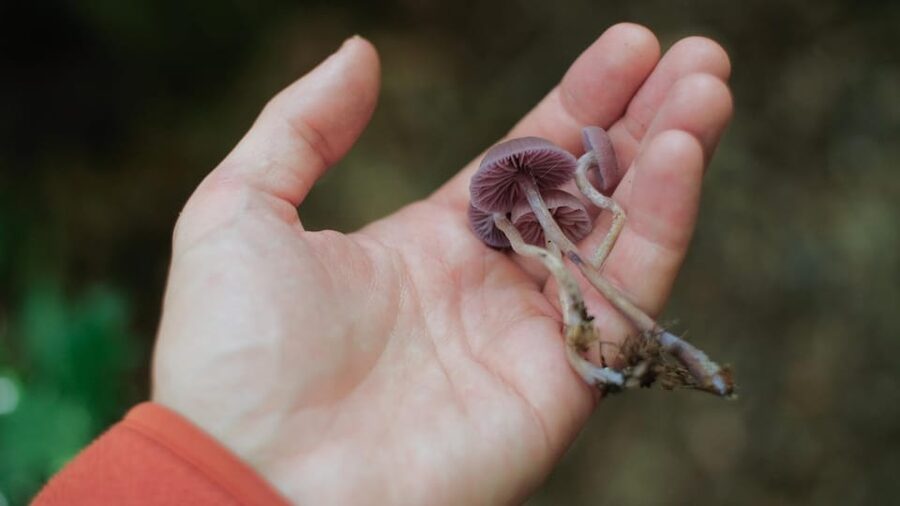
The tastings are a small but important part of the experience. You can sample snacks made with wild ingredients and get a sense of how edible plants might be used beyond the field. This makes the subject feel practical instead of purely academic.
You may also be able to taste suitable wild plants during the walk. Follow Joseph’s instructions closely and only eat what he has identified for you. Foraging is not the place for guesswork, and this lesson is about building good habits from the start.
I like that the tour links identification with cooking. Knowing a plant’s name is useful, but knowing what to do with it makes the knowledge stick. One participant was inspired to cook with plants they had not previously considered, and that is exactly the kind of small change this activity can encourage.
The food is not a full meal, so plan to eat before or after if you need something substantial. The tastings are there to support the lesson, not replace lunch. You can also make the most of the meeting point by checking what is available at The Buddle Inn after the walk, though no meal there is included in the activity.
More walking tours in England:
- Oxford University Walking Tour With University Alumni Guide
★ 5.0 · 6,905 reviews - Tour for Muggles The Ultimate Harry Potter Walking Tour in London
★ 5.0 · 4,684 reviews - London Jack The Ripper Guided Walking Tour
★ 5.0 · 3,131 reviews - Cambridge University Walking Tour by Alumni™ Kings College Option
★ 5.0 · 2,336 reviews
Walking through one of the island’s quieter corners
The route takes you through a picturesque and secluded part of the Isle of Wight. The scenery is not just decoration. It provides the setting in which you learn to recognise plants in their natural surroundings.
A 2-mile walk over 1.5 hours is gentle in distance, but the countryside may include uneven surfaces. Comfortable shoes are essential, and sturdy waterproof footwear is the sensible choice if the ground is wet. A raincoat is equally important. British weather can change quickly, and the walk continues outdoors.
Your clothing should allow you to stop, crouch, and look closely at plants without worrying about getting muddy. High heels are not suitable, and comfortable clothes will make the experience easier. Bring water, especially if you are not used to walking on country paths.
The pace should suit a beginner because the purpose is observation rather than speed. Still, this is not the right choice if you have a low level of fitness or need step-free access. The activity is not suitable for wheelchair users or people with mobility impairments.
What Joseph adds as a guide
Joseph Thurbin brings two useful perspectives to the walk. He is a lifelong forager, so he can explain the subject from long experience, and he is a filmmaker, which connects naturally with the advice on photographing plants and fungi.
His friendly, easygoing style is a strong part of the experience. The information is presented in a way that makes beginners comfortable asking questions. You do not need to feel embarrassed if you cannot tell one leaf from another at first.
The walk also appears to work well in colder months. Joseph’s guidance shows that foraging is not limited to warm spring and summer days. A winter visit can be eye-opening because it teaches you to look for what is available rather than expecting a particular set of colourful flowers.
You should still keep your expectations realistic. The route is short, and the activity is aimed at beginners. If you already spend a lot of time identifying fungi or wild plants, you may want a longer or more specialised course. For someone starting from scratch, the level should feel more welcoming.
Is $33.67 good value?
At $33.67 per person, this is reasonably priced for a guided outdoor lesson lasting about 90 minutes. You are paying for Joseph’s time, practical instruction, local access, and the included tastings. The value is strongest if you want skills you can keep using after the holiday.
The price is less attractive if you are looking only for a scenic walk. You can see countryside for free elsewhere on the island, and the route covers just 2 miles. The point is not the distance. It is the expert guidance and the chance to ask questions while looking at real plants.
The included food samples help, but they should not be treated as the main value. The useful part is learning a safe process for identification and getting ideas for using wild ingredients in your own kitchen.
You can also reserve now and pay later, which helps if your Isle of Wight plans are still taking shape. Free cancellation is available up to 24 hours before the activity for a full refund. Check the exact booking terms when choosing your date.
Who should book this foraging walk?
This is a good match for adults who are curious about wild food but do not know where to begin. It also suits photographers, walkers, home cooks, and anyone who likes learning through direct contact with nature.
You will get the most from it if you are willing to stop often, listen carefully, and take notes. The experience is not designed for a rushed sightseeing schedule. Give yourself time around the start and finish so you are not watching the clock.
It is not suitable for children under 18, people with food allergies, or anyone who may react badly to tasting wild ingredients. The activity also excludes people with mobility impairments, wheelchair users, and those with a low level of fitness.
If you have food allergies, this is an important consideration rather than a minor detail. Tell yourself plainly whether tasting unknown ingredients is appropriate for you. If not, choose a general countryside walk instead.
What to bring for a comfortable outing

Pack lightly, but bring the right things. A charged smartphone is particularly useful because photographs and notes are part of the learning process.
Your basic kit should include:
- Comfortable, sturdy shoes with good grip
- Waterproof clothing, including a raincoat
- Water
- Comfortable outdoor clothes
- A charged phone for photographs and notes
- A notebook if you prefer writing by hand
Do not bring alcohol or attend while intoxicated. The tour involves careful identification, walking, and tasting, so clear attention matters.
Try to check the weather before leaving, but do not assume a dry forecast means the ground will be dry. Waterproof shoes are a smart choice even after a spell of good weather.
Final verdict: book it if you want a useful first step
I would book this walk if I wanted a friendly, practical introduction to foraging during an Isle of Wight visit. The short route, small amount of walking, wild tastings, and advice on photographing plants make it approachable. Joseph’s experience and relaxed manner add the personal touch that a printed guidebook cannot provide.
Skip it if you want a long hike, a full meal, or a formal botany course. Also skip it if uneven country paths, outdoor weather, or food allergies make the format unsuitable.
For most curious adults who want to learn how to look at familiar countryside differently, $33.67 is a fair price. You leave with more than a few plant names. You get a safer way to begin, some cooking ideas, and a reason to pay closer attention on your next walk.
FAQ
Where does the foraging walk start?
The walk starts at the large car park opposite The Buddle Inn in Niton. Your guide will be carrying a foraging basket.
Where does the activity finish?
The walk ends back at the same meeting point, so the starting car park is also the finish point.
How long is the activity?
The walk lasts about 1.5 hours and covers roughly 2 miles.
What language is the tour in?
The live tour guide speaks English.
What should I bring?
Bring comfortable clothes, comfortable shoes, water, and a charged smartphone. Sturdy waterproof shoes, a raincoat, and a notebook are also useful for the British weather and taking notes.
Is the walk suitable for children?
No. The activity is not suitable for children under 18.
Can people with food allergies join?
No. The activity is not suitable for people with food allergies because wild ingredients and tastings are part of the experience.
More Food & Drink in England
- East London Indian Food Tour with 8+ Authentic Food Tastings
★ 5.0 · 585 reviews - Manchester Cheese Crawl : Guided Food Tour
★ 5.0 · 559 reviews - London Borough Market & London Bridge Food Tour
★ 5.0 · 519 reviews - Ultimate London Cheese Crawl : Guided Food Tour
★ 5.0 · 515 reviews
Just added in England
- Exceptional Bath tour guide making your visit splendidly memorable.★ 4.5 · 69 reviews
- Full-Day Private Tour of Stonehenge and Bath with Pickup★ 5.0 · 6 reviews
- One Way or Round Trip Private Transfer: Heathrow Airport to Bath★ 5.0 · 3 reviews
- Quintessential Cotswolds Half-Day tour from Bath (for 2-8 guests)★ 5.0 · 27 reviews
- Stonehenge Half-Day luxury guided tour from Bath for 2-8★ 5.0 · 15 reviews
- Private Guided Tour of Jane Austen’s Bath★ 5.0 · 7 reviews
- British Wine and Cheese Tasting Experience in City of Bath★ 5.0 · 18 reviews
- Cotswold Village Private Day Trip from Bath★ 5.0 · 24 reviews
Food Tours, compared.
London Bridge & Borough Market Food Tour with 7 Authentic Dishes
Read our review →
London Foodie Adventure:More than 10 dishes with Sherpa Food Tour
Read our review →
Eating London: Twilight Soho VIP Food & Drinks Tour
Read our review →
East London Indian Food Tour with 8+ Authentic Food Tastings
Read our review →
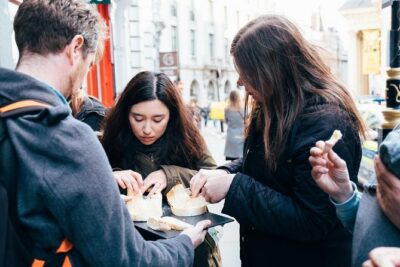
Ultimate London Cheese Crawl : Guided Food Tour
Read our review →

London Soho Food Tour with 7+ Tastings of Delicious Hidden Gems
Read our review →Browse the lists this tour appears in