
Reviewed · TOURS IN YORK
The Best of York on Foot in a Small Group
York is easiest to understand on foot, where Roman stone, medieval lanes, and grand Victorian buildings sit within a few minutes of each other. This 90-minute walk gives you that quick sweep, from the ruins of St. Mary’s Abbey to the Shambles, without asking you to plan every turn yourself.
I like the small group, capped at eight, and the guides’ use of iPads to show what ruined buildings once looked like. I also like the personal touch: guides such as Alfred and Sarah greet you by name and often shape the talk around your questions. The main drawback is that this is an outdoor introduction, so York Minster’s interior and museum admissions are not included.
Key points to know
- Five major York sights in 90 minutes: The route links St. Mary’s Abbey, Museum Gardens, York Minster, Stonegate, and the Shambles.
- Small groups capped at eight: You should be able to hear the guide and ask questions without shouting across a crowd.
- Guides bring visual aids: iPads help turn ruins and altered buildings into something easier to picture.
- A strong first-day orientation: The walk works well if you have only one full day in York.
- The tour ends near the Shambles: You finish at Whip-Ma-Whop-Ma-Gate, close to the center of town.
- Outdoor sightseeing only: The price covers guiding, a map, and the walk, but not entry inside York Minster or museums.
Why a short walk works so well in York
York can feel like several cities layered into one small center. Roman foundations appear beneath later walls, medieval streets twist around grand churches, and Victorian gardens frame the remains of earlier buildings. You can see plenty on your own, but the connections are easy to miss.
That is the real purpose of this tour. It is not trying to replace a full day at York Minster, the Jorvik Viking Centre, or one of the city museums. Instead, it gives you a storyline and a sense of place before you choose where to spend more time.
The walk takes about an hour and a half. Each listed stop receives roughly ten minutes, with the rest of the time used to walk between them and explain the streets, buildings, and changes in York over the centuries. The pace is designed as an easy city walk, and one account specifically notes that the guide kept a good speed for the whole group.
I would book it early in a York visit, ideally on your first day. You will leave with a better map in your head, and later visits to the Minster, the Shambles, or the museum quarter will make more sense.
Other trips people book in York:
- Mad Alice’s The Bloody Tour of York -Best Tour Award Europe
★ 5.0 · 2,749 reviews - Ghost Bus Tour of York
★ 4.5 · 2,404 reviews - Shadows of York: Ghost Walk and Horrible History.
★ 5.0 · 1,403 reviews
St. Mary’s Abbey opens the story with dramatic ruins
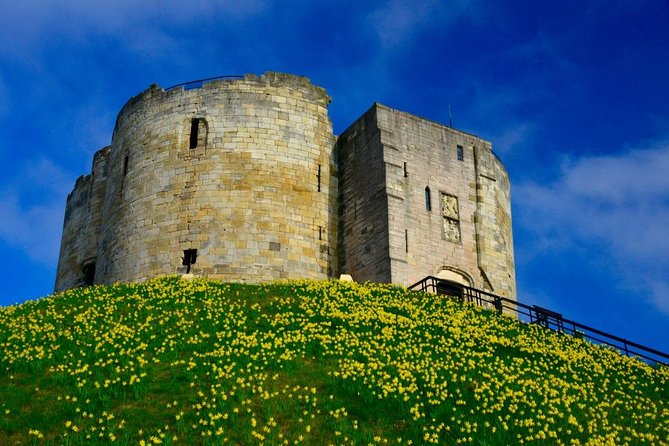
The first stop is St. Mary’s Abbey, once the largest abbey in northern England. Today, its remaining stonework gives you a grand opening view of York’s past without requiring an entry ticket.
Ruins can be hard to read without help. You see arches, walls, and fragments, but not always the full building those pieces belonged to. This is where the guide’s iPad illustrations matter. Images of earlier structures can help you picture the abbey as a working religious complex rather than a few attractive remains in a park.
The stop also sets up one of York’s central themes: buildings change purpose, but older layers often remain visible. Your guide may connect the abbey to the surrounding streets and gardens, showing how this part of the city developed over time.
You spend about ten minutes here, so do not expect an extended archaeological visit. The strength is orientation and storytelling, not detailed examination of every stone. If you want more time with the abbey ruins, the tour leaves you with a useful reason to return.
Museum Gardens reveal where Roman York began
Next comes Museum Gardens, a Victorian botanic garden with remains of the Roman fortress that marked the beginning of York. This is one of the most useful stops for understanding the city’s earliest foundations.
The gardens offer a change of mood after the abbey ruins. You are not simply looking at Roman stones in isolation. The surrounding garden helps show how old remains have been preserved within a later city, and the guide can connect the Roman site to York’s continuing importance.
This is also a good example of the tour’s method. Rather than burying you in dates, the guide uses a real place to explain how York grew. The Roman fortress is not just an abstract starting point. It is part of the city you can see under your feet.
Again, the visit is brief, around ten minutes, and admission is free. You will not have time for every corner of the gardens or for a long museum visit. Still, the stop gives you one of the clearest links between present-day York and its Roman beginnings.
York Minster gets a useful exterior introduction
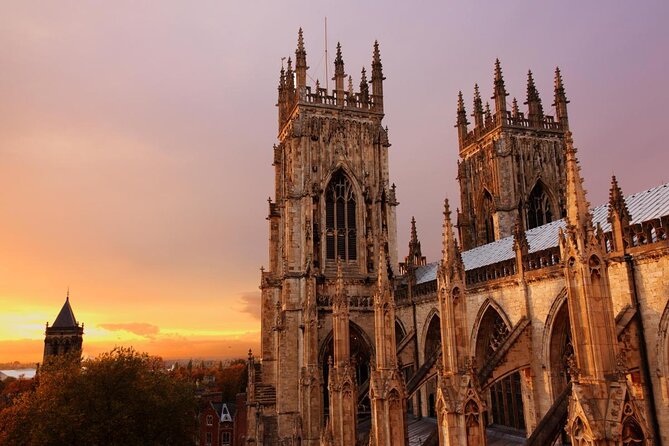
York Minster is the largest medieval Gothic cathedral in northern Europe, and the tour gives you an exterior view rather than an indoor visit. The building is an obvious highlight, but a guide can help you notice more than its size.
You will hear how the Minster fits into York’s medieval story and how its architecture helps explain the city’s importance. The guide may point out details that are easy to pass while you are busy looking up at the main facade.
The important practical point is that admission to the Minster is not included. This tour does not take you inside, and the itinerary allows about ten minutes at the stop. If you want to explore the cathedral’s interior, stained glass, crypt, or other paid areas, plan a separate visit and budget for its entrance fee.
That limitation is not a flaw if you see the walk as an introduction. In fact, I prefer knowing this in advance. You are paying for the guide’s route and explanation, not for a rushed cathedral visit. The tour helps you decide if the Minster deserves more of your time afterward.
Same base, a different kind of day:
- Private Historical Walking Tour of York
★ 5.0 · 1,324 reviews - Daytime Sightseeing Boat Cruise in York
★ 4.5 · 1,256 reviews - York Dungeon Entry Ticket
★ 4.5 · 1,108 reviews - Wizard Walk of York – WINNER Best Tour & Best of York Award
★ 5.0 · 918 reviews
Stonegate shows York’s medieval shortcuts
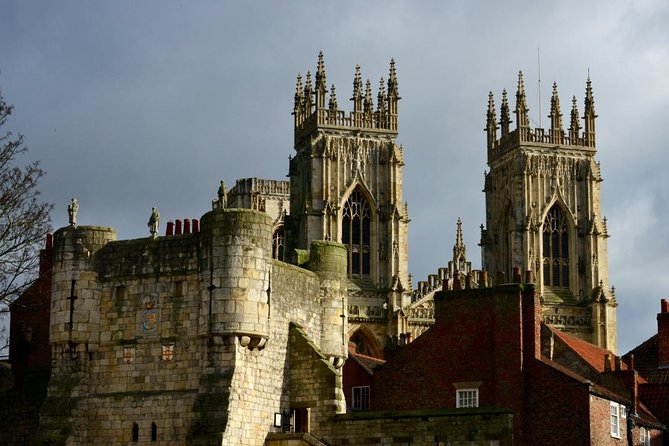
From the Minster, the walk heads toward Stonegate and the narrow lanes known as snickelways. These shortcuts are part of what makes York enjoyable on foot. They bend, narrow, and lead you through spaces that are easy to miss if you stick to the main roads.
This is one place where a local guide adds clear value. You can wander down a lane by yourself, but you may not know why it matters or how it fits into the city’s older street plan. Guides such as Alfred have been praised for pointing out small architectural details and locations that are easy to pass without noticing.
Stonegate also brings the city’s human scale into focus. York’s history is not only found in grand buildings. It is also in the odd angles, covered passages, and routes that survived because people kept using them.
There is a small tradeoff. A compact walking route cannot pause at every lane or explain every building. You will see a sample rather than a full survey. That is a good reason to note any passage or street that catches your eye and return later with your map.
The Shambles provides the memorable finish
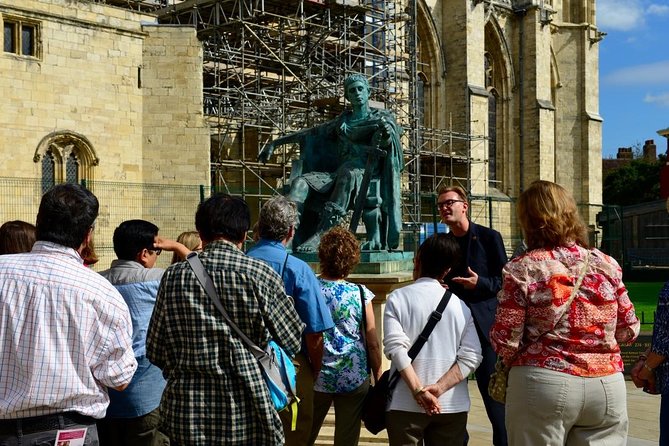
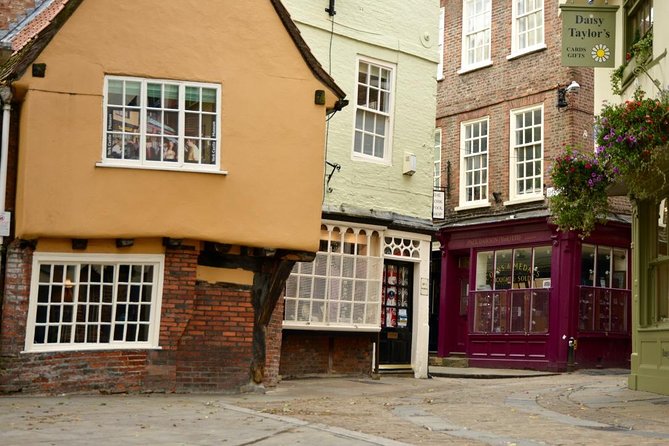
The final major stop is the Shambles, one of Europe’s best-preserved medieval streets. Its timber-framed buildings and tight roadway make it one of York’s most recognizable places, and it has also become famous as an inspiration for Diagon Alley.
The street is visually striking, but the guide helps keep it from becoming just a photo stop. You can learn how the medieval street functioned and how its buildings changed over time. The talk also places the Shambles within the wider route, so the street feels like part of York’s story rather than a disconnected attraction.
The walk ends at Whip-Ma-Whop-Ma-Gate, near the end of the Shambles and in the heart of town. That is a practical finish. You are well placed to continue exploring, find lunch, visit another attraction, or retrace a lane that interested you.
Because the tour ends here, it does not return you to the starting point. That usually works in your favor in York, since you finish in a central area, but keep it in mind if you have a timed booking elsewhere.
Alfred, Sarah, Charlotte, and Ferah bring different strengths

The experience depends heavily on the guide, and the named guides connected with this walk include Alfred, Sarah, Charlotte, and Ferah. The strongest pattern is not a single scripted performance. It is the combination of local knowledge, clear explanation, and a willingness to answer questions.
Alfred is described as an energetic storyteller who ties the buildings and streets into one larger account of York. He also makes a point of learning everyone’s name, which is easier to do with a group of eight than with a large public tour.
Sarah’s approach includes a personal message before the walk to confirm the meeting details. She has also been praised for offering suggestions about meals, other activities, and books connected with York. That can be especially helpful if you are staying only one day and want to use the tour as a planning session.
Charlotte is known for adapting the experience to the group’s interests, while Ferah is described as personable and well informed. Guides may differ in style, but the small format gives each one room to respond instead of delivering a speech to a mass of people.
The iPads are another useful feature. The guides carry multimedia illustrations that can show earlier versions of buildings and landmarks. At a ruin such as St. Mary’s Abbey, that extra visual layer may make the explanation far easier to follow.
The eight-person limit changes the feel of the walk
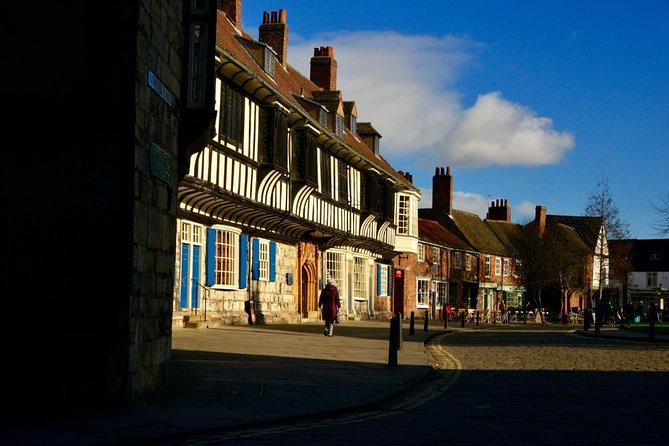
Small groups are not just a marketing detail here. With a maximum of eight people, you should be able to hear the guide in narrow streets and stop without blocking much of the pavement. You can also ask a question without feeling that you are holding up forty other people.
That matters in York, where the most interesting spaces are often tight. A large group can make a snickelway feel crowded and can turn a quick stop into a struggle to stay close to the guide.
The tour includes a personalized greeting sign at the meeting point, which helps you identify the guide. You also receive a complimentary map of York. The map is useful beyond the 90 minutes, especially if the guide points out a museum, lane, or building you want to revisit.
The group size does not guarantee a private tour. You are still sharing the guide with other participants, and the tour may include a mix of ages and interests. Very young children may get less from a history-focused walk, while teenagers and adults are more likely to follow the connections between the sites.
What the $27.74 price buys you
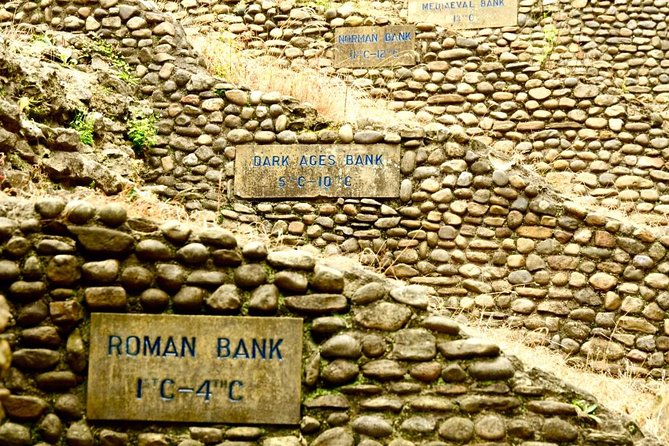
At $27.74 per person, this is a fair price for a compact orientation if you value a local guide. You are paying for a planned route, an organized explanation of five important places, visual material, a map, and the convenience of seeing the main historic center in one session.
The price looks even better if you have only one full day in York. A self-guided walk costs nothing, but it also requires preparation, navigation, and time spent deciding what to see next. This tour compresses those decisions into 90 minutes.
The value is lower if you already know York well or prefer to stop for long periods at each site. You will not receive museum entry, a full Minster visit, or a detailed archaeological tour of the abbey. You will need to pay separately for any indoor attraction.
I see the walk as a starting point, not the whole York experience. If the guide’s explanation makes you want to spend an hour inside the Minster or return to the gardens, the tour has done its job.
Who will get the most from this York walk
I would recommend it most strongly to first-time visitors, people with one day in the city, and anyone who wants a clear introduction before exploring alone. It also suits you if you enjoy history but do not want a long academic lecture.
The route is a good fit for adults, older children, and teenagers who can follow a walking history lesson. The short stops keep the tour moving, while the small group leaves room for questions.
You should think twice if your priority is indoor access. This is an outdoor tour, and the cathedral, museums, and other paid attractions are not part of the price. It is also not the right choice if you want a private vehicle, since this is strictly a walking experience.
Most people can participate, service animals are allowed, and the route is near public transportation. The booking confirmation arrives at the time of booking. Free cancellation is available up to 24 hours before the start time, but cancellations or changes made later are not refunded or accepted.
Should you book The Best of York on Foot?
Book it if you want to understand York quickly and prefer a small, friendly group to a large city tour. The strongest reasons are the compact route, the local guides, the iPad illustrations, and the way the walk links Roman York with medieval streets and later buildings.
Skip it if you want a long visit inside York Minster or a tour built around museum admissions. You would be better off setting aside separate time for those places.
For most first visits, I would take this walk early in the stay, keep the map afterward, and use the guide’s suggestions to plan the rest of the day. At $27.74, it is a sensible way to get your bearings fast without flattening York’s complicated past into a list of dates.
FAQ
How long is The Best of York on Foot?
The walking tour lasts approximately 1 hour and 30 minutes.
How large is the tour group?
The tour has a maximum of eight travelers.
Which York sights are included?
The route includes St. Mary’s Abbey, Museum Gardens, York Minster, Stonegate, and the Shambles.
Is entry to York Minster included?
No. The tour is outdoors and does not include entrance to the interior of York Minster or other museums.
Where does the tour end?
The walk ends at Whip-Ma-Whop-Ma-Gate, at the end of the Shambles in central York.
Is cancellation free?
You can cancel for a full refund up to 24 hours before the experience start time. Cancellations or changes made less than 24 hours before the start time are not accepted for a refund.
Just added in York
- Immersive Murder Mystery in York, A City Treasure Hunt Experience★ 4.5 · 54 reviews
- The Treasures of Bloodaxe – A Fun Viking Treasure Hunt in York★ 4.5 · 21 reviews
- Immersive Treasure Hunt Adventure in York – Outdoor Escape Room★ 4.5 · 6 reviews
- Christmas Guided Walking Tour in York★ 5.0 · 106 reviews
- York City Pass: Access 35+ Attractions for One Great Price★ 4.5 · 122 reviews
- Chocolate Bar Making Workshop – York Cocoa Works★ 4.5 · 170 reviews
- Fun, Flexible Treasure Hunt Around York with Cryptic Clues & Hidden Gems★ 5.0 · 248 reviews
- Evening ‘Happy Hour’ Boat Cruise For All Ages In York★ 4.0 · 243 reviews
Tours in York, compared.

Mad Alice’s The Bloody Tour of York -Best Tour Award Europe
Read our review →

Shadows of York: Ghost Walk and Horrible History.
Read our review →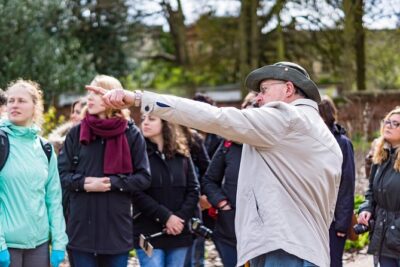



Wizard Walk of York – WINNER Best Tour & Best of York Award
Read our review →
Browse the lists this tour appears in