Reviewed · TOURS IN LONDON
London in the Swinging 60s – Private Tour
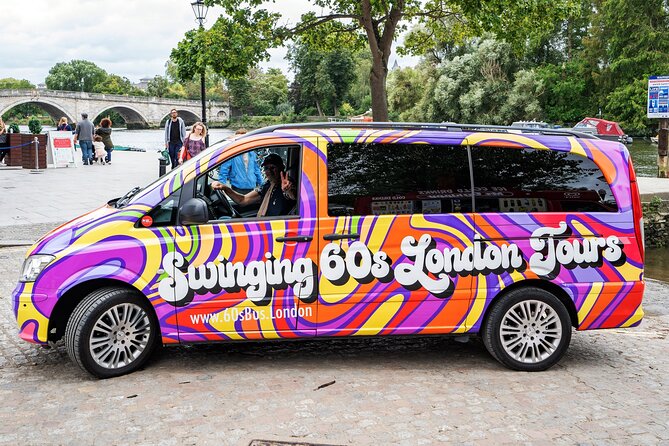
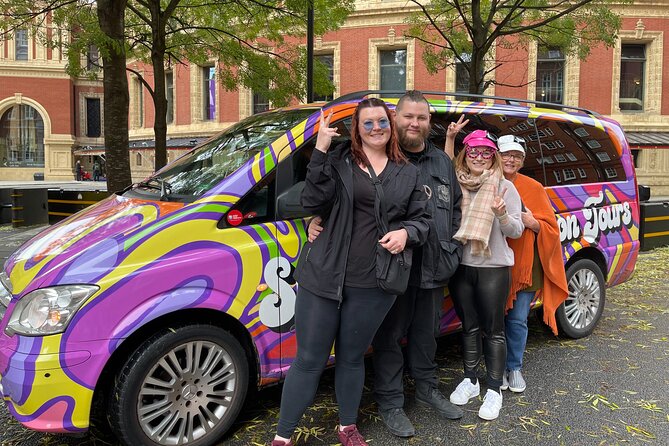
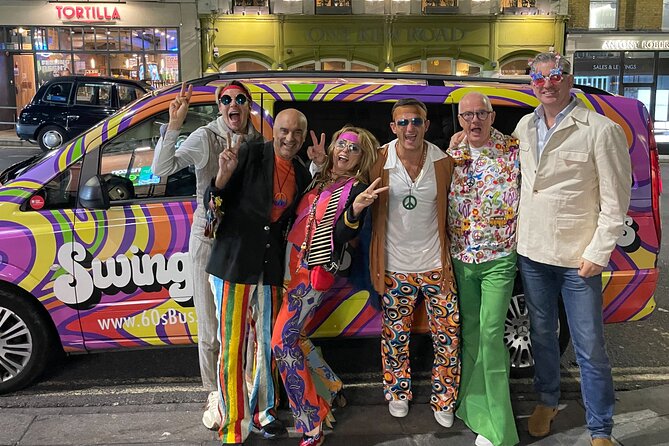
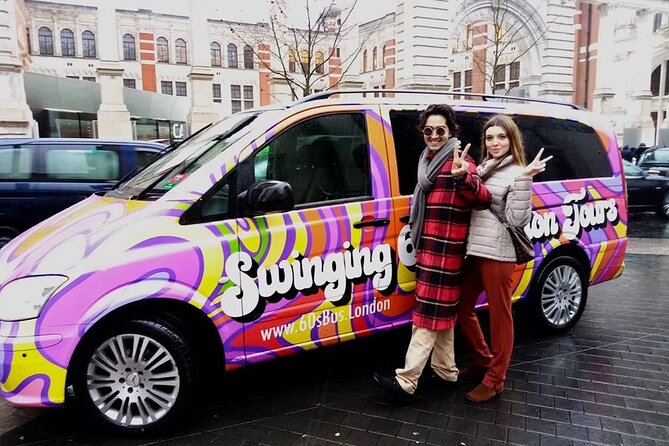
The most memorable part of this Swinging London tour is its focus on real places rather than a general look at 1960s pop culture. In a psychedelic minibus, you trace the Chelsea streets tied to The Beatles, Rolling Stones, Eric Clapton, fashion designer Mary Quant, and the musicians who made the Troubadour famous.
I like the compact private format, which lets guide Paul tailor the stories to your group. I also like the mix of music, fashion, photography, and neighborhood history. The main drawback is time: at about 90 minutes, most stops are brief, and the tour is better for seeing locations and hearing stories than for extended visits inside them.
Key points to know before booking
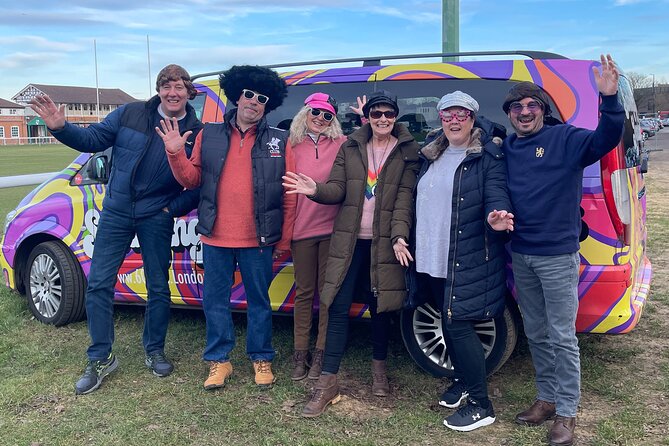
- A psychedelic minibus sets the mood: The vehicle is part of the experience, not just a way to get around.
- Chelsea is the main stage: You visit Sloane Square, the Kings Road, Cheyne Walk, Edith Grove, and nearby streets linked to 1960s culture.
- Paul leads the tour: His commentary covers music, fashion, recording studios, homes, clubs, and the stories behind each address.
- The Troubadour is the longest stop: You have about 15 minutes at this important music venue, with admission included.
- It works well for mixed generations: The tour has appealed to families, birthday groups, older music fans, teenagers, and students studying British music.
- The $397.75 price is per group: For six people, that works out to about $66 per person, but it is much less economical for one or two people.
Why this small tour gets you closer to Swinging London
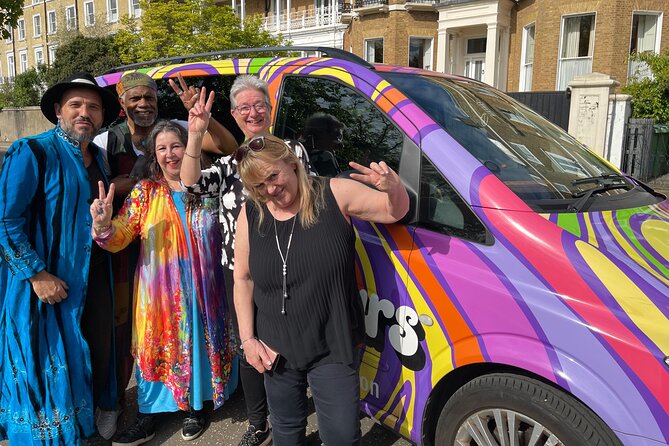
London’s 1960s story is often reduced to The Beatles, Carnaby Street, and a few famous album covers. This tour gives you a more local view. Its center is Chelsea and the Kings Road, where fashion shops, musicians, clubs, recording studios, and counterculture met within a relatively small part of the city.
You are not simply driven past famous buildings while a guide lists names. The route connects places to the people who used them. One address points to an early Beatles base. Another recalls the Rolling Stones before fame. A studio links several major bands and singers. The result is a useful sense of how close together many parts of the scene really were.
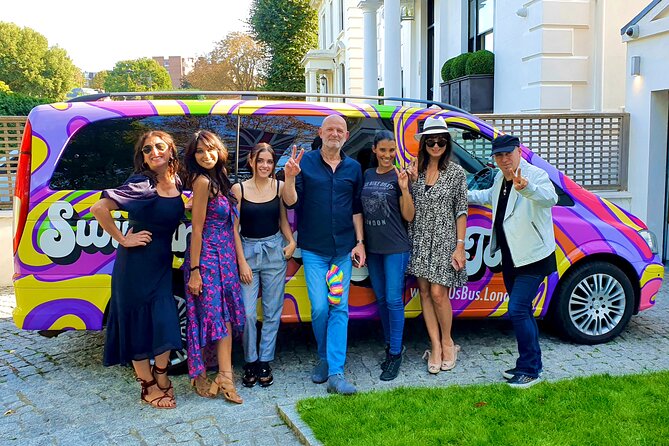
The private format matters here. Paul can adjust the emphasis for your group, with past tours shaped around The Beatles, The Rolling Stones, The Kinks, or the wider music scene. If your family has one major favorite, mention it when booking or at the start. The experience is strongest when the stories match your interests.
A few more things to do in London worth a look
- The Premier Classic London: Private 4-Hour Tour in a Black Cab
★ 5.0 · 2,737 reviews - Stonehenge Inner Circle Private Tour from London with Bath Visit
★ 5.0 · 1,909 reviews - Private Tour: Black Taxi Tour of London
★ 5.0 · 1,153 reviews
Sloane Square begins the Beatles trail
The tour starts at the Royal Court Theatre at 50 to 51 Sloane Square. The square is not just a convenient meeting point. You also see the hotel that The Beatles used as their first London base in the early 1960s.
This is a short stop, listed at about two minutes, so expect a quick introduction rather than a long visit. The value is in the context. Before international fame, London accommodation and central connections helped young musicians find their way into the city’s clubs, studios, shops, and social circles.
The Royal Court Theatre also places you at the edge of Chelsea’s cultural world. From here, the route moves toward the Kings Road, the part of the tour most closely tied to fashion and youth culture.
The Kings Road: fashion, shops, and the new look
The Kings Road was the beating heart of Swinging London, and the tour treats it as more than a shopping street. It was a meeting place for new clothes, new music, and a new kind of urban confidence.
You hear about Mary Quant’s Bazaar, the boutique associated with the bold, youthful fashion that helped define the decade. You also see the former location of Granny Takes A Trip, described as London’s first psychedelic boutique. These stops help explain why the 1960s were not only a musical period.
This is one of the best parts for people who know the songs but want a clearer picture of the wider scene. Fashion helped create the look of the era, while boutiques gave musicians, artists, and young Londoners places to gather and experiment. The tour links those changes to the actual streets instead of treating them as distant museum pieces.
The limitation is that the stops are mainly viewed from the vehicle or from nearby. The itinerary does not promise shopping time or entry into the old boutiques. Come for the stories and locations, not for a fashion exhibition.
The Pheasantry and Eric Clapton’s Chelsea connection
At The Pheasantry, you see the former flat associated with Eric Clapton during his Cream years. The stop lasts about one minute, so this is a quick look rather than a full architectural visit.
Still, the address gives the music story a useful human scale. Clapton was not only a name on an album cover. He lived in this part of London while working through one of the key phases of his career. The tour repeatedly uses this kind of detail, linking major artists to ordinary streets and apartment buildings.
If you are visiting with a serious music fan, have your camera ready before the minibus stops. Several locations are short photo opportunities, and the vehicle will not linger for long at every address.
Same base, a different kind of day:
- Stonehenge, Windsor Castle, and Bath from London
★ 4.5 · 18,662 reviews - London Big Bus Hop-On Hop-Off Tour with Optional River Cruise
★ 3.5 · 10,803 reviews - London Small Group Tour of Historical Pubs
★ 5.0 · 10,422 reviews - Stonehenge, Windsor Castle and Bath with Pub Lunch in Lacock
★ 4.5 · 7,402 reviews
Old Church Street and the studio trail
Old Church Street receives about five minutes, making it one of the more substantial stops. Here you see Eric Clapton’s current London home, along with the site of a recording studio used by Pink Floyd, Cat Stevens, The Who, and other 1960s figures.
This is a strong stop because it widens the tour beyond one band or one style of music. Pink Floyd, Cat Stevens, and The Who represent different corners of the era, and the studio connection shows how much creative work was taking place in Chelsea and nearby districts.
The itinerary lists this stop as free, but that does not mean you enter the private residence or recording facility. You are seeing the locations from outside and hearing how they fit into the period. That distinction is important if you expect interiors.
Cheyne Walk: famous names along the Thames
Cheyne Walk follows the river and is known for its exclusive homes. The tour uses this stretch to point out residences linked to music legends. You have about three minutes here.
The appeal is partly visual. This is one of the more attractive parts of the route, and the river setting contrasts with the louder image of clubs, boutiques, and rock bands. It also shows the range of people drawn to Chelsea during the period, from working musicians to established cultural figures.
This is a drive-by style stop, so the experience depends on Paul’s explanation. Without the commentary, you would mostly see elegant houses. With the stories, the street becomes part of a map of London’s music world.
Flood Street and the Sgt. Pepper photograph
Flood Street brings you to the studio where The Beatles’ famous Sgt. Pepper’s Lonely Hearts Club Band album photograph was made in 1967. The stop is only about two minutes, but it carries plenty of cultural weight.
The album image is one of the most recognizable photographs in popular music. Seeing the studio location adds a physical place to something many people know only from a record sleeve. For Beatles fans, this may be one of the tour’s most satisfying quick stops.
Again, this is not an admission-based studio tour. You see the location and learn about the photograph, then move on. The short visit works best as part of the larger route, where several small connections build a picture of the era.
Edith Grove and the Rolling Stones before fame
Edith Grove recalls a crucial early chapter in Rolling Stones history. In 1962, Jagger, Richards, and Jones lived here, and it was where the band was named.
This is the kind of address that makes the tour feel personal. The Rolling Stones are now one of the world’s best-known bands, but the story begins in a shared home in a residential street. You get a glimpse of the group before the stadiums, headlines, and major record deals.
The stop lasts about two minutes. That is enough for a short explanation and a look, but not enough to explore the neighborhood on foot. If the Stones are your main interest, ask Paul for extra detail. The private format gives you a better chance of getting more of that story than you would on a fixed, large-group bus route.
The Troubadour gives the route a proper finish
The Troubadour is the tour’s longest stop, at about 15 minutes, and admission is included. It is one of London’s important music venues and is associated with Paul Simon, Bob Dylan, Jimi Hendrix, and other artists who played or spent time there in the 1960s.
This is where the tour moves closest to a traditional venue visit. You have time to take in the room and its atmosphere, with the setting described as little changed from the era. For anyone interested in live music, the stop helps explain how emerging performers built reputations through small venues rather than only through major concert halls.
The Troubadour also provides a useful ending because it brings the route back to performance. Earlier stops cover homes, shops, photographs, and studios. Here, the focus is the place where artists actually played and socialized.
The tour then returns to the meeting point at Sloane Square. There is no meal, drink, or extended free time included, so plan any lunch or pub stop separately.
Paul’s guiding style and the value of a private vehicle
Paul is the guide named throughout the experience, and the supplied details describe him as friendly, funny, engaging, and especially strong on 1960s music and fashion. His approach appears to rely on stories, connections, and a good deal of name recognition rather than a formal lecture.
That suits this subject. A long academic talk would miss the point. You want to know who lived where, which musicians played at which venue, how the fashion scene fit the music, and why a particular street mattered. Paul’s commentary is designed to keep those links moving as the minibus travels.
The private vehicle helps in three ways:
- You avoid being folded into a large public group.
- Your group can ask questions and request a focus on particular artists.
- The psychedelic design adds a playful sense of occasion.
The available information describes the activity as private, with only your group participating. The price covers up to six people, while the highlights also describe a maximum group size of eight. Check the exact capacity and price for your party before paying, especially if you have seven or eight people.
Is $397.75 fair for 90 minutes?
The price is $397.75 per group of up to six. At full capacity, that is about $66.29 per person. For six people who share an interest in 1960s music, that is a reasonable cost for a private guide, a themed vehicle, and admission to the Troubadour.
For two people, the same price works out to about $198.88 each. That is harder to justify unless the private format is important or you are marking a birthday, anniversary, or other special occasion. The tour has been used for 60th and 70th birthday outings, and it can work well as a gift because the minibus and subject matter make it feel different from a standard city sightseeing ride.
You are paying for access to a specialist route and personal commentary, not a long list of paid attractions. Most stops are viewed from outside, and only the Troubadour is specifically included as an admission visit. If you prefer museums, interiors, or several hours of structured sightseeing, this may feel short.
Who will enjoy this most?
I would recommend this tour to:
- Beatles, Rolling Stones, Cream, Pink Floyd, The Who, Bob Dylan, or Jimi Hendrix fans
- People interested in 1960s fashion as well as music
- Families combining parents, grandparents, teenagers, and younger adults
- Visitors who want Chelsea stories beyond the usual royal and museum sights
- Students studying the British Invasion or popular music
- Anyone looking for a birthday activity with a clear theme
It also suits someone who missed the 1960s but wants a guided introduction to the period. The tour is not only for people who remember the decade firsthand. Past group makeups have included multiple generations, and the route gives younger people enough visual and social context to follow the stories.
You should think twice if you dislike short stops, have little interest in music or fashion, or want extensive walking time. This is a moving tour with brief visits, not a full-day study of London’s cultural history.
Practical details for a smooth outing
The tour begins at 11:00 a.m. outside the Royal Court Theatre at Sloane Square and ends back at the same meeting point. Transportation to and from that starting point is not included, so allow time to reach Chelsea.
The activity lasts about one hour and 30 minutes. Wear comfortable clothing, but do not expect a walking-heavy outing. Most of the route is aboard the minibus, with short stops for views and explanations.
Mobile ticketing is available, and confirmation is sent at booking. The minimum age is nine. Service animals are allowed, the meeting point is near public transportation, and most people can participate.
The tour does not include alcoholic drinks, coffee, or tea. It is best treated as a focused sightseeing experience, then followed by your own meal or pub stop in Chelsea.
Free cancellation is available if you cancel at least 24 hours before the local start time. Cancellations or changes made inside that window are not refunded or accepted.
My call: book it for the stories, not the checklist
I would book this if you want a personal introduction to the people and places behind Swinging London. The strongest features are the themed minibus, Paul’s specific music knowledge, the private format, and the way the route connects fashion, recording, photography, homes, and live performance.
I would not book it expecting long visits or a large number of indoor attractions. The tour is short, and several stops last only one or two minutes. But if you gather a group of six and share an interest in 1960s London, the price becomes much more reasonable, and the route offers a lively way to see Chelsea through its music.
FAQ
Where does the tour start?
It starts at the Royal Court Theatre, 50 to 51 Sloane Square, London SW1W 8AS.
What time does the tour begin?
The scheduled start time is 11:00 a.m.
Where does the tour end?
The tour ends back at the meeting point at Sloane Square.
How long does the experience last?
The tour lasts approximately one hour and 30 minutes.
How many people can join the private tour?
The price is listed for a private group of up to six people. The tour information also describes a maximum of eight people, so confirm the exact capacity when booking if your group has more than six.
Is the Troubadour admission included?
Yes. Admission to the Troubadour is included, and the planned visit lasts about 15 minutes.
What is not included?
Transportation to and from the meeting point, alcoholic beverages, coffee, and tea are not included.
Can I cancel for a full refund?
Yes, if you cancel at least 24 hours before the experience start time. Cancellations or changes made less than 24 hours before the start are not accepted, and the amount paid is not refunded.
Just added in London
- The Beatles and a Secret pub★ 4.5 · 36 reviews
- The Beatles & Liverpool Magical Mystery Tour from London★ 4.5 · 80 reviews
- Airport Coach Service from Heathrow to Oxford★ 3.5 · 67 reviews
- The Beatles Magical History Black Taxi Tour London★ 5.0 · 51 reviews
- The Beatles London walking tour. From Abbey Road to the Roof Top★ 5.0 · 61 reviews
- Private The Beatles Taxi Tour in London★ 5.0 · 12 reviews
- The Beatles London Walk★ 4.5 · 120 reviews
- Dinner and Jazz Cruise on the River Thames★ 4.0 · 140 reviews
Tours in London, compared.
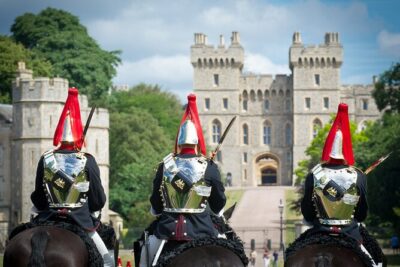
Stonehenge, Windsor Castle, and Bath from London
Read our review →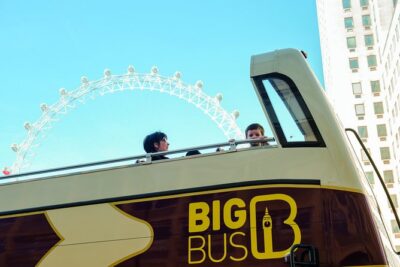
London Big Bus Hop-On Hop-Off Tour with Optional River Cruise
Read our review →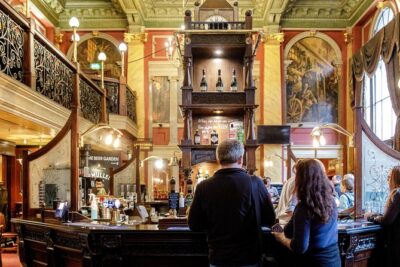
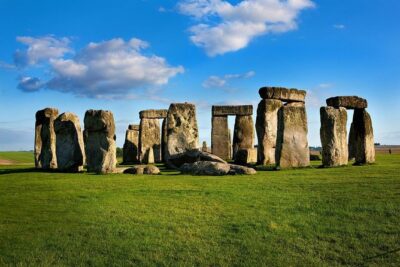
Stonehenge, Windsor Castle and Bath with Pub Lunch in Lacock
Read our review →
Tower of London and Crown Jewels Exhibition Ticket
Read our review →
Stonehenge, Windsor Castle and Bath Full Day Guided Tour
Read our review →
Windsor Castle, Stonehenge, and Oxford Day Trip from London
Read our review →