
Reviewed · TOURS IN LONDON
2-Hour Private LGBTQ+ History Tour of London with a Licensed Guide
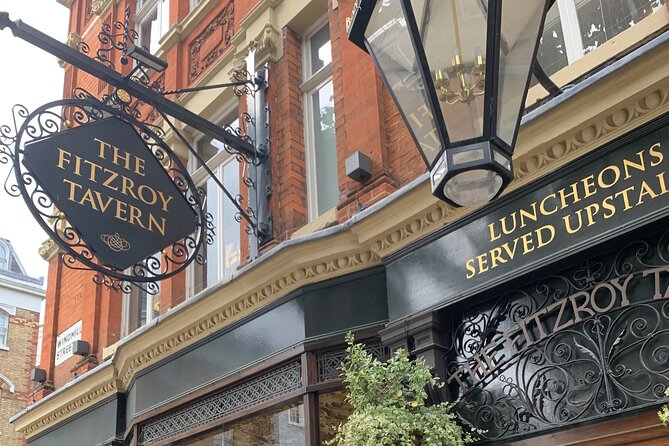
London’s LGBTQ+ story comes into sharp focus on this private walk through Bloomsbury, where artists, doctors, writers, philosophers, and social outsiders helped shape modern ideas about identity and love. Ric Morris leads the two-hour route from 10 Bernard Street to the Fitzroy Tavern, using local places to connect the 18th century with the present day.
I like the private format, which lets your group of up to 15 people share one guide and one price. I also like the unusual subject matter: this is not a standard London highlights walk, and it includes everything from a secret gay language to early gender affirmation surgery. The main consideration is the weather. Much of the experience takes place outdoors, and one group found the rain intense, though Ric kept the pace lively.
Key points about the Bloomsbury LGBTQ+ walk
- Bloomsbury from 18th century to today: The route links London’s LGBTQ+ past across several centuries.
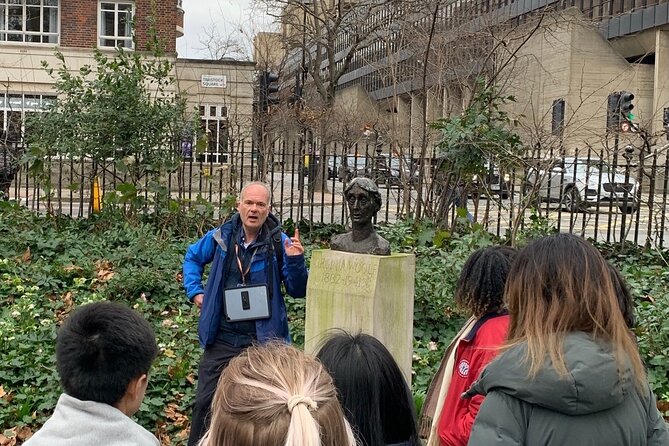
- Ric Morris leads the tour: He brings together art, medicine, literature, philosophy, and social history in a two-hour walk.
- Private groups up to 15: You pay $452.52 for the group, not per person.
- Unusual subjects: Expect Polari, Victorian cross-dressing, early gender affirmation surgery, and lesbian medical pioneers.
- A useful finish: The tour ends at the Fitzroy Tavern, with Goodge Street and Tottenham Court Road tube stations nearby.
- Simple cancellation terms: You can receive a full refund if you cancel at least 24 hours before the 2 pm start.
Why Bloomsbury is the right place for LGBTQ+ history
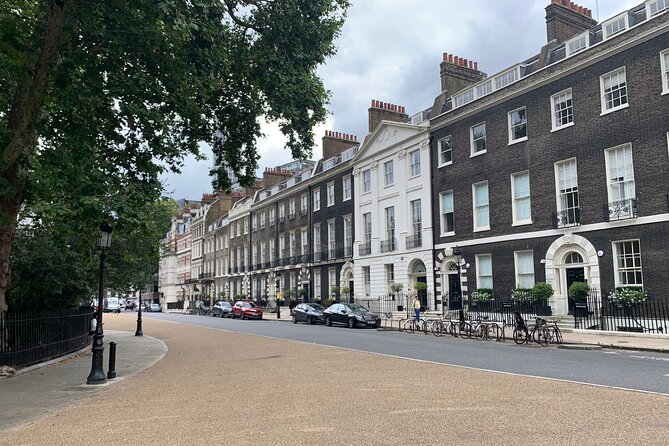
Bloomsbury is a strong setting for this subject because its story is tied to writers, artists, medical thinkers, and people who questioned social rules. This tour does not treat LGBTQ+ history as a short side note in London’s larger story. It gives that history its own two-hour route.
You begin at 10 Bernard Street, London WC1N 1LT, at 2 pm. From there, Ric Morris guides you through the area on foot. The walk covers the period from the 18th century to the present, so you get a sense of change over time rather than one isolated historical episode.
That long view matters. London’s LGBTQ+ past includes public achievements, private networks, coded language, social pressure, and gradual changes in medical and cultural thinking. The tour’s subjects show how these threads overlap. A discussion of a lesbian novel can sit alongside the story of a bookshop, while medical pioneers appear near the history of gender identity and affirmation.
I appreciate that the route uses several kinds of evidence. You are not only hearing about famous names. You are also learning how people found one another, how they communicated, and how certain streets and spaces became important.
A few more things to do in London worth a look
- London Small Group Tour of Historical Pubs
★ 5.0 · 10,422 reviews - Soho Music & Historic Pubs Tour
★ 5.0 · 1,993 reviews - Royal Historic Pubs Walking Guided Tour in London
★ 5.0 · 803 reviews
From free-loving artists to the Bloomsbury Group
One section focuses on a free-loving group of artists and the wider work of the Bloomsbury Group. This gives the walk an artistic and social angle, rather than keeping it only in the political or legal sphere.
The subject is especially useful for anyone who knows Bloomsbury mainly through museums, universities, or literary landmarks. Here, the neighborhood becomes a place where personal relationships and creative work challenged accepted rules.
The route also places LGBTQ+ history in an ordinary urban setting. You are walking through streets that still function as part of modern London, while learning how earlier residents and communities used them. That contrast can make the past feel more immediate than a museum display.
Ric’s delivery is an important part of the experience. The available comments describe him as entertaining and well paced, with a friendly manner that helped a work group stay engaged during heavy rain. That combination matters on a walking tour. The subject is serious, but two hours of dense history can feel long if the guide does not vary the pace or connect the facts clearly.
Women’s medicine and the people who changed it
The walk includes lesbian pioneers of women’s medicine. This is one of the more distinctive parts of the route because it connects LGBTQ+ history with professional life, healthcare, and the role of women in medicine.
You can expect this section to show how personal identity and public work sometimes existed in tension. It also broadens the idea of LGBTQ+ history beyond nightlife, literature, and legal reform. Medicine, education, and professional networks were part of the story too.
The tour also introduces the philosopher who first defended same-sex love. That topic gives the walk an intellectual side. It asks how ideas about same-sex relationships were discussed and defended, not just how people lived them.
These subjects are valuable if you want more than a list of dates and firsts. They show how changes in language and thought can affect social life. You will hear about individuals and ideas, but the larger point is how London became a place where new arguments could circulate.
An 18th-century queer space and the language of Polari
One of the most intriguing promises of the walk is an 18th-century queer space. The word space is important here. LGBTQ+ history often depends on places where people could meet, recognize one another, or find some relief from public rules.
The tour also teaches some Polari, London’s secret gay language. This is a playful part of the experience, but it has real historical value. Coded language can help people communicate discreetly, create a shared identity, and avoid being understood by outsiders.
I like this detail because it gives you something practical to remember after the walk. You are not just collecting names and dates. You are learning how language itself worked as a social tool.
Do not expect Polari to turn the tour into a comedy routine. It fits into the wider story of privacy, community, and survival. Ric uses it as one part of a much larger account of how LGBTQ+ Londoners navigated public life.
Same base, a different kind of day:
- Stonehenge, Windsor Castle, and Bath from London
★ 4.5 · 18,662 reviews - London Big Bus Hop-On Hop-Off Tour with Optional River Cruise
★ 3.5 · 10,803 reviews - Stonehenge, Windsor Castle and Bath with Pub Lunch in Lacock
★ 4.5 · 7,402 reviews - Tower of London and Crown Jewels Exhibition Ticket
★ 4.5 · 6,677 reviews
Victorian cross-dressing and early gender affirmation surgery
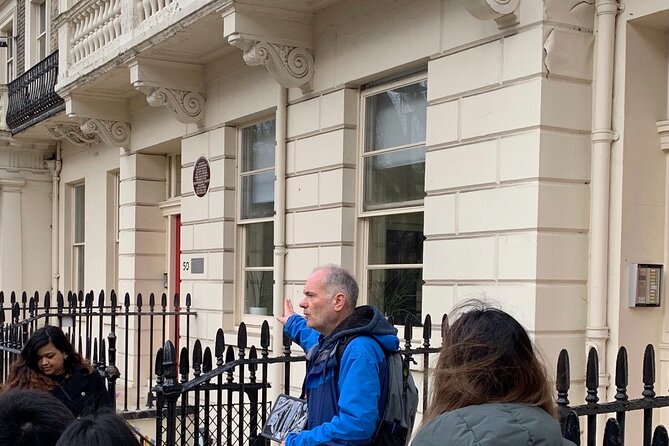
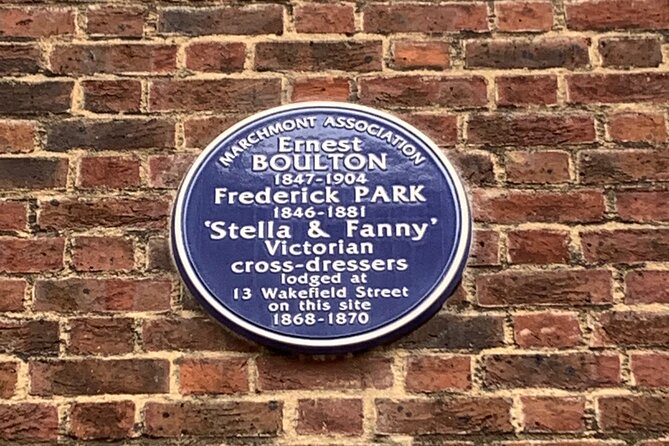
The route includes cross-dressing Victorians and the first gender affirmation surgeries. These subjects add a medical and personal dimension to the walk, while also showing that questions about gender expression are not new.
The Victorian material is likely to challenge simple assumptions about the period. The era is often presented as rigid and uniform, but the tour points to people who crossed expected clothing and gender boundaries.
The reference to early gender affirmation surgery is another reason this tour goes beyond a basic introduction. It places medical history alongside social history. You will consider how people sought changes to their bodies and how medicine responded to those needs.
This part may be especially meaningful if you are interested in trans history, medical history, or the way modern terms can obscure older experiences. At the same time, the tour lasts only about two hours, so each subject must be handled within a larger route. If you want a full academic treatment of any one topic, you would need additional reading beyond the walk.
A landmark lesbian novel and London’s LGBTQ+ bookshop
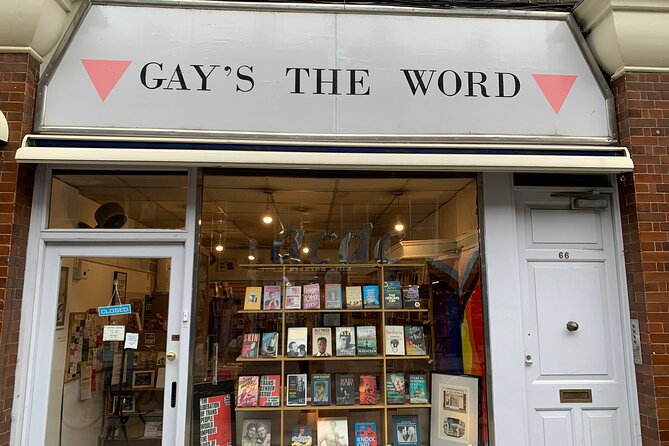
Literature receives a strong place on the route. You will hear about a landmark lesbian novel and visit the story of London’s best-loved LGBTQ+ bookshop.
The bookshop connection gives the literary section a physical focus. Books do more than record LGBTQ+ lives. They can also help people find language for experiences that are missing from mainstream culture. A bookshop devoted to LGBTQ+ writing becomes a meeting point, a source of information, and a public sign that these stories belong in London.
The novel adds another layer. Literature can preserve private feeling in a way that official records often do not. A work of fiction may reveal how love, identity, and social pressure were understood at a particular moment.
If you enjoy London’s literary side, this section may be one of the tour’s strongest features. It also works well for people who are less familiar with LGBTQ+ history, since novels and bookshops offer an accessible entry point into larger social questions.
What the private format means for your group
The price is $452.52 per group of up to 15 people. That figure deserves a little arithmetic. With 15 people, the cost works out to about $30 per person. With six people, it is about $75 each. With only two people, it becomes a costly private walk.
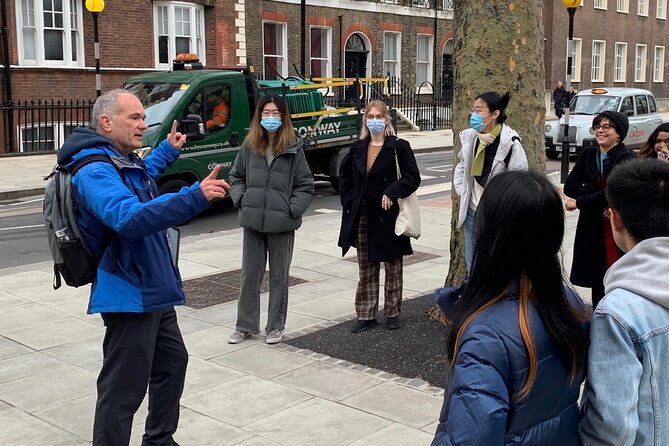
This format makes the most sense for a workplace group, a family or friend group, a school-related visit, or a Pride organization. A work group of 12 used the tour to mark LGBT+ History Month, which is a good match for the setup. You can share the cost across a larger group while keeping the discussion focused on your own party.
A private tour also means you are not joining strangers. That can make it easier to ask questions about sensitive subjects, adjust the pace, or keep the focus on the parts of the story that matter most to your group. The tradeoff is simple: solo visitors and couples may get better value from a shared small-group tour if one is available elsewhere.
The tour is offered in English and includes a mobile ticket. Most people can take part, and service animals are allowed. It is near public transportation, though the exact walking demands of the route are not specified, so anyone with mobility concerns should ask before booking.
Rain, timing, and practical planning
The start time is 2 pm. Give yourself enough time to reach 10 Bernard Street, especially if you are crossing London from another part of the city. Since the walk ends at the Fitzroy Tavern in Fitzrovia, the route moves north and west from the starting point.
Plan for outdoor conditions. One group completed the walk during intense rain, so bring weather protection and wear shoes suited to city walking. The guide can help keep the tour moving, but no guide can make wet streets comfortable.
The finish at the Fitzroy Tavern is useful. You can stop for refreshments in a historic pub after the tour, then walk a short distance to Goodge Street or Tottenham Court Road tube stations. That gives you an easy way to continue your afternoon without arranging another pickup.
The route takes approximately two hours. That is long enough for a serious introduction, but short enough to fit into a day of London sightseeing. I would avoid booking a tight timed attraction immediately afterward. London transport can be unpredictable, and you may want a few minutes at the pub or for questions at the end.
How Ric Morris handles the experience
Ric Morris is the named guide for this experience. The strongest descriptions of his work point to three qualities: clear knowledge of the subject, an entertaining approach, and a steady pace.
That mix is important here. LGBTQ+ history can involve difficult legal, medical, and social subjects, and the tour also covers many people and periods in a short time. A guide who can explain the material without turning it into a lecture makes a real difference.
The group of 12 from LGBT+ History Month found the experience informative even in intense rain. That suggests Ric is comfortable working with organized groups and keeping people engaged under less-than-perfect conditions.
Still, your experience will depend partly on the weather and the group’s energy. A private party can help because you are not trying to match the pace of strangers. You can also tell the guide at the beginning if your group has a particular interest in lesbian history, trans history, literature, medicine, or the Bloomsbury Group.
Who should book this London history walk
I would recommend this tour most strongly to:
- Groups of friends who want a focused LGBTQ+ experience instead of a general city tour
- Workplace Pride networks planning a history-focused outing
- Visitors interested in Bloomsbury, literature, medicine, or social history
- People who prefer a private guide and a set group price
- Anyone who wants a short afternoon activity ending near central London transport
It is less suitable if you want a fast overview of London’s main landmarks. You will not be covering the Tower, Westminster, or the usual royal attractions. It is also less attractive financially for one or two people, since the full group price does not shrink with a smaller party.
The subject is broad, but the route is specific. You should book it for the history of LGBTQ+ London, not as a general Bloomsbury sightseeing walk.
Should you book the Bloomsbury LGBTQ+ tour?
Book it if you have a group large enough to share the cost and want a serious, local look at LGBTQ+ history. The mix of artists, women’s medicine, philosophy, Victorian gender expression, early surgery, lesbian literature, bookshops, and Polari gives the two hours plenty of range.
I would especially choose it for a Pride network or organized group of 8 to 15 people. The private setup becomes much better value at that size, and Ric Morris has experience keeping a larger group involved.
For a couple or solo visitor, compare the cost carefully. The tour has a strong subject and a convenient central finish, but $452.52 is a large outlay for a two-hour walk when shared by only a few people. Also check the forecast and dress for rain. If the price works for your group, this is a focused and worthwhile way to see London through a history that standard guidebooks often leave out.
FAQ
How long is the LGBTQ+ history tour?
The experience lasts approximately two hours.
What time does the tour start?
The tour starts at 2 pm.
Where does the tour begin?
It begins at 10 Bernard Street, London WC1N 1LT, United Kingdom.
Where does the tour finish?
The walk finishes at the Fitzroy Tavern, 16 Charlotte Street, London W1T 2LY.
How many people can join the private tour?
The price covers one private group of up to 15 people.
What language is the tour offered in?
The tour is offered in English.
Is the experience accessible by public transportation?
Yes. The tour is near public transportation, and after the finish you can walk a short distance to Goodge Street or Tottenham Court Road tube stations.
Can I cancel for a full refund?
Yes. You can cancel at least 24 hours before the experience start time for a full refund. Cancellations or changes made less than 24 hours before the start are not accepted for a refund.
More LGBTQ-Friendly in London
- London Gay Tour with a Local, Soho’s LGBTQ+ Nightlife, Private & Custom
★ 5.0 · 7 reviews - LGBTQ History Tour in Brighton (semi-private)
★ 5.0 · 10 reviews
Just added in London
- The Beatles and a Secret pub★ 4.5 · 36 reviews
- The Beatles & Liverpool Magical Mystery Tour from London★ 4.5 · 80 reviews
- Airport Coach Service from Heathrow to Oxford★ 3.5 · 67 reviews
- The Beatles Magical History Black Taxi Tour London★ 5.0 · 51 reviews
- The Beatles London walking tour. From Abbey Road to the Roof Top★ 5.0 · 61 reviews
- Private The Beatles Taxi Tour in London★ 5.0 · 12 reviews
- The Beatles London Walk★ 4.5 · 120 reviews
- Dinner and Jazz Cruise on the River Thames★ 4.0 · 140 reviews
Tours in London, compared.
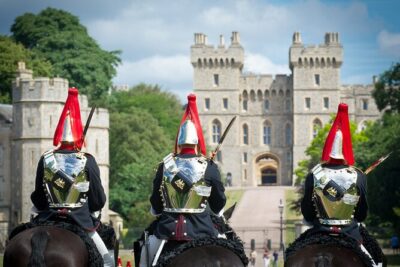
Stonehenge, Windsor Castle, and Bath from London
Read our review →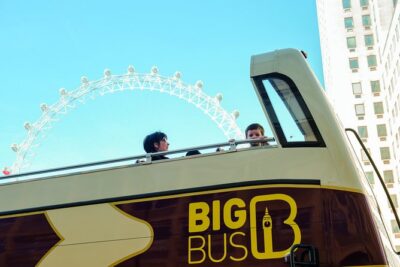
London Big Bus Hop-On Hop-Off Tour with Optional River Cruise
Read our review →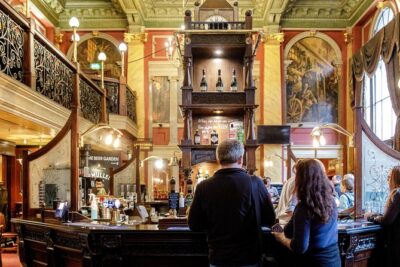
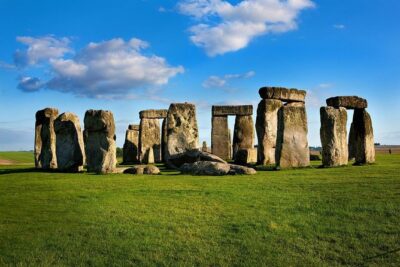
Stonehenge, Windsor Castle and Bath with Pub Lunch in Lacock
Read our review →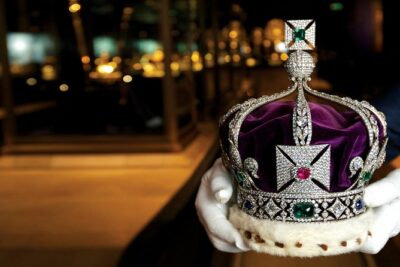
Tower of London and Crown Jewels Exhibition Ticket
Read our review →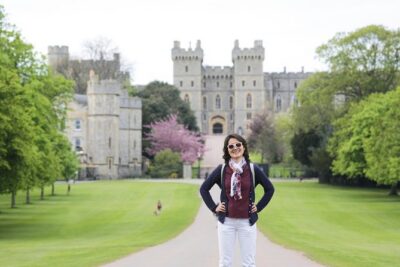
Stonehenge, Windsor Castle and Bath Full Day Guided Tour
Read our review →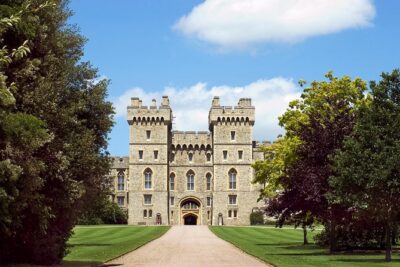
Windsor Castle, Stonehenge, and Oxford Day Trip from London
Read our review →
London Jack the Ripper Guided Tour with Ripper-Vision
Read our review →Browse the lists this tour appears in